
Why condos are becoming more popular than single-family homes in Massachusetts
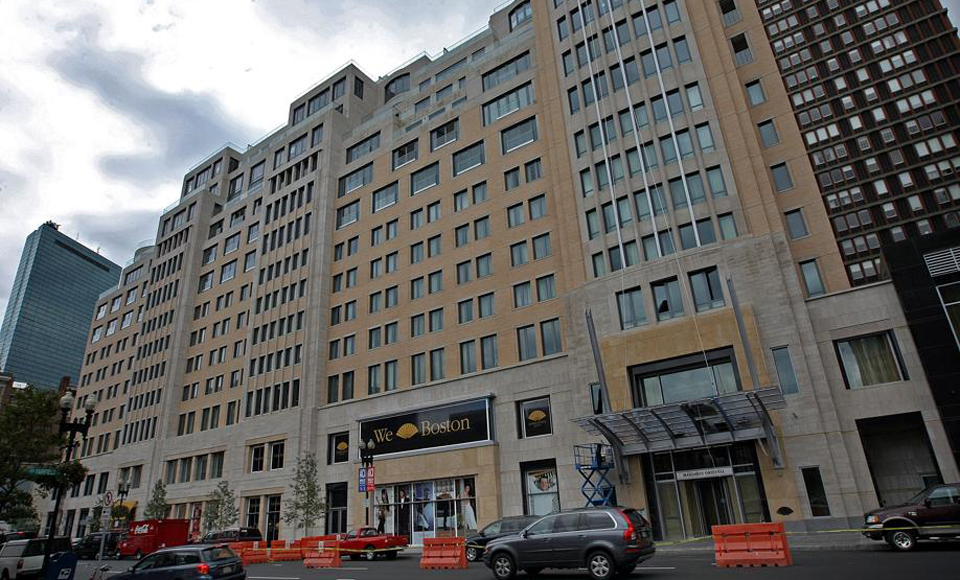
Condos used to be the poor man’s single-family home, an alternative for buyers priced out of the competition for that starter cape or ranch.
But that script is increasingly being flipped on its head, show new stats just released by MLS Property Information Network, with condos either coming close to matching or beating single-family homes in three key metrics: time on market, percentage of list price achieved and median value.
1) Condos across Massachusetts sold on average 25 percent faster than single-family homes in 2015, according to the real estate listing service’s 2015 market report.
While the average condo found a buyer after 68 days, that number rose to 85 – or more than six weeks – for single-family homes.
2) Condos are selling much closer to their original listing price than single-family homes. Condos are fetching 98.2 percent of their listing price, compared to 95.8 percent for single-families, according to MLS PIN.
3) Condos remain generally less expensive, but the gap is hardly dramatic, with the median condo price in Massachusetts topping out at $320,000 in 2015 compared to $342,000 for single-family homes.
In Suffolk County, which Boston dominates, condos now actually top single-family homes in price.
The median price of a condo in Boston and neighboring cities like Revere and Chelsea rose more than 9 percent last year to nearly $490,000. By contrast, the median price of a single-family home in Suffolk County rose by a more modest 4.8 percent, hitting $421,000, according to The Warren Group, publisher of Banker & Tradesman.
Shifting preferences
The increasing popularity of condos comes as many empty nesters and young families alike look for new or recently renovated properties, which are much easier to find in the condo market.
There is some new construction in the condo market, with a fair amount of renovation of condos that aren’t brand new but were built within the last 20 years, noted Sara Rosenfeld, a veteran Coldwell Banker real estate agent who has been selling real estate in Somerville since the early 1980s.
Buyers now increasingly want “move-in’’ conditions and either don’t have the time or the inclination to put sweat equity into a fixer-upper.
Among condo buyers are and an increasing number of baby boomers who have sold homes in the suburbs after their children have gone off to college and want something that’s ready to go.
“When I started in 1982, the smart buyer was the one who would do work – sweat equity or “value-added’’ purchase where your work would pay off,’’ Rosenfeld wrote in an email. “My population in Metro Boston does not have time to do work. Even if they have done work before, they do not want to do it again!’’
By contrast, many single-family homes on the market now have been occupied by the same owners for years and often need significant upgrades and renovations.
“Many of our single family homes have been owner occupied for many years,’’ Rosenfeld noted. “They are tired and outdated. It takes longer to sell a tired home.’’
Sellers’ market
Beyond condos, the MLS PIN report also details a steady shift in the state’s real estate market in favor of sellers over buyers.
The amount of unsold listings on the market across the state – known as “inventory’’ – has plunged by more than 42 percent since 2011, including a 14.5 percent drop in 2015. There were 29,521 unsold homes on the market at the end of 2011, compared to 17,907 as of the end of December.
And average days on market for all properties – both condos and homes – has dropped from 111 to 80 during the same time period, according to MLS PIN.





To comment, please create a screen name in your profile
To comment, please verify your email address
Conversation
This discussion has ended. Please join elsewhere on Boston.com