
The good news your mortgage calculator could be missing
A new survey reminds us why it’s good to shop around for a mortgage deal, especially in Massachusetts.
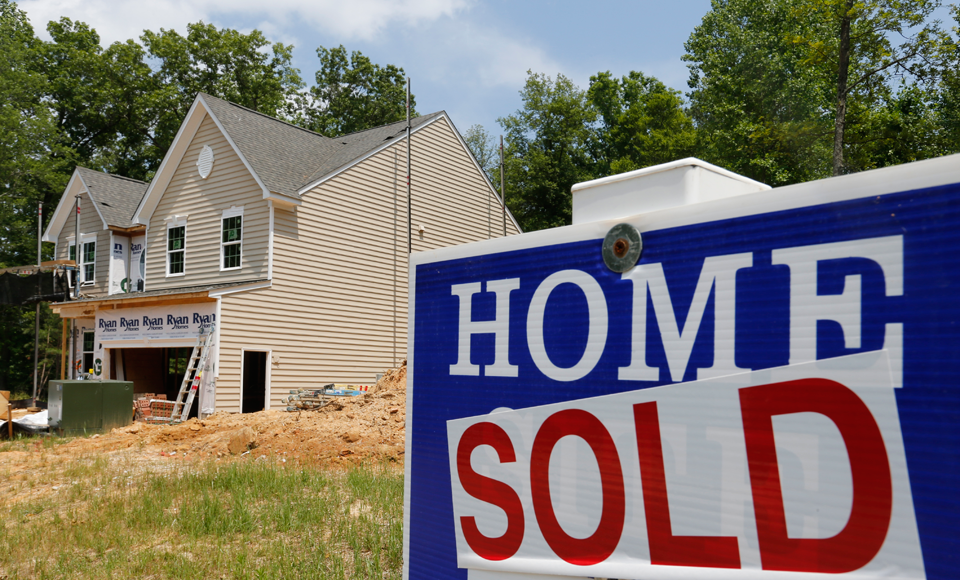
Buying a home is an expensive endeavor. And closing costs, such as lenders fees and appraisal services, can add to the financial sting.
But in Massachusetts that sting is not as painful. According to consumer financial services company Bankrate.com, the average closing costs on a $200,000 mortgage is $1,756 in Massachusetts, the seventh-lowest rate in the nation.
Not just about the interest rate
In June, Bankrate surveyed 10 mortgage lenders in all 50 states and Washington, D.C. and obtained “good faith estimates’’ (GFEs) on $200,000 mortgages for a single-family home with a 20 percent down payment.
Based on Bankrate’s findings, the cheapest closing costs in the country can be found in Ohio where they average $1,613. They are most expensive in Hawaii, where the average closing costs are $2,163.
But the company’s research did not look at taxes, title fees, property insurance, interest, or other “pre-paid’’ items. Holden Lewis Bankrate’s senior mortgage analyst said these factors were not included because leaving them out made a clearer tool for mortgage shoppers.
“The real reason we do this survey is not to rank the states,’’ Lewis told Boston.com in a phone interview. “It’s to remind people they can shop around when they need a mortgage. Don’t just concentrate on the interest rate, but consider the closing costs, too.’’
The Massachusetts advantage
Daniel Forte, president and CEO of the Massachusetts Bankers Association, says he cannot point to a single factor that would be driving down closing costs in Massachusetts. But he believes part of the reason closing costs are low is because many local lending institutions are heavily invested in residential loans and don’t sell the loans off as assets to a third party.
“We have a higher percentage of portfolio loans, which translates to a lower cost for consumers,’’ said Forte. He also points out that many local lenders also keep their loan servicing functions in-house, which helps keep costs down.
“Consumers who have to deal with a locally owned loan can walk through their bank’s door and don’t have to call an 800 number to get an answer about their loan,’’ said Forte.
Understanding closing costs
Meanwhile, Lewis believes consumers will get a clearer sense of their closing costs starting October 3, when a part of the Dodd-Frank financial reform law takes effect. On this date, lenders will stop issuing GFE documents, and instead provide borrowers with “Loan Estimate’’ documents that Lewis believes will provide clearer information to consumers.
“It’s simply easier to understand because it encourages consumers to look at the bottom line,’’ said Lewis. “It can tell you how much a mortgage will cost you in the first five years by looking at two, or three, or four mortgage offers.’’
The forms can help consumers navigate some of the confusing jargon used by mortgage lenders.
“Banks call different fees by different names, so you might get two offers and one bank calls it an ‘origination fee’ and another calls it a ‘processing fee,’’’ said Lewis. “When you get hung up on names, you’re looking at the trees instead of the forest.’’
At the end of the day, the transition to Loan Estimate forms will be of great help to consumers.
“We’re reminding people that closing costs vary from deal to deal and state to state and on the same count from lender to lender,’’ said Lewis. “It’s just important to shop around at least three lenders to get that loan estimate.’’
Check out the safest towns around Massachusetts



To comment, please create a screen name in your profile
To comment, please verify your email address
Conversation
This discussion has ended. Please join elsewhere on Boston.com