
Harvard report shows homeownership numbers are even worse than they look
While homeownership rates nationally are back to where they were when Seinfeld was just taking off, you have to go all the way back to the original Star Trek and the 1960s to find a rate as low as the current percentage of Gen Xers who hold title to their own home.
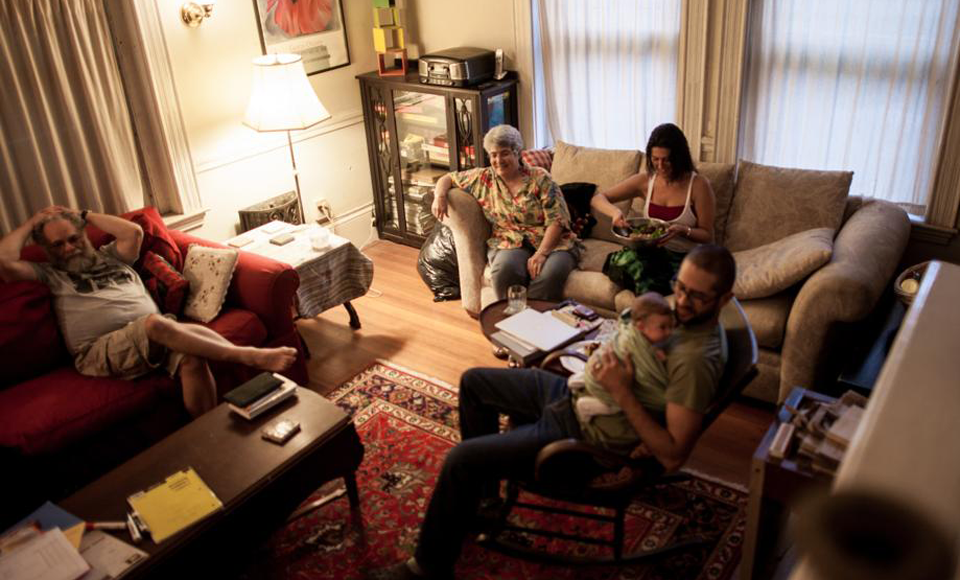
They have long since shed their grungy jeans and slacker reps for power suits, but Gen Xers have taken it on the chin when it comes to declining homeownership rates, a new Harvard study finds.
Nationally, the homeownership rate has plunged over the past decade, falling to 63.7 percent this spring, the lowest level since 1993, according to the “State of the Nation’s Housing 2015,’’ put out by Harvard’s Joint Center for Housing Studies.
However, Gen X has had it even worse, with just a little over 58 percent of the generation that came of age in the Reagan and Clinton years of the 80s and 90s now owning their own homes, the report notes.
A generational divide
While homeownership rates nationally are back to where they were when Seinfeld was just taking off, you have to go all the way back to the original Star Trek and the 1960s to find a rate as low as the current percentage of Gen Xers who hold title to their own home.
Possibly the only group to have suffered as much in the aftermath of the real estate crash has been Gen Y, which saw its homeownership rate plunge 9 points from its peak in the mid-2000s, to hover around 60 percent.
But while Gen Y has often been blamed for the drop in homeownership rates, amid stories of young college grads gone home to live with their parents, the strugglers of their older Gen X siblings are more likely to blame, the report finds.
“Perhaps the most telling indicator of the state of the nation’s housing is the drop in the homeownership rate,’’ said Chris Herbert, managing director of the Joint Center for Housing Studies, in a press release. “This erases nearly all of the increase from the previous two decades. In fact, the number of homeowners fell for the eighth straight year, and the trend does not appear to be abating.’’
Why Gen X took a hit
One reason Gen-Xers have taken such a hit is because they happened to be entering their “prime first-time homebuying years’’ just before the housing market went into meltdown mode in 2007 and 2008, the Harvard report notes.
Older Gen Xers had already bought their first homes and were primed to move up the ladder to bigger digs when the real estate market and the economy took a nose dive.
Instead, some Gen Xers lost jobs or took pay cuts and couldn’t keep up their mortgage payments, losing their homes, the report notes.
“In sharp contrast, it was generation X (also known as the baby bust, born 1965–84) that took most of the hit from the housing bust,’’ the Harvard report states.
Trickle down
Meanwhile, Gen Yers, who have also struggled to get a foothold in the housing market, are being blamed for the big drop in first-time home buyers over the past few years.
First-time buyers’ share of the housing market slumped to an anemic 33 percent in 2014, “near historic lows’’ and far below the norm of 40 percent, the Harvard report noted.
But today’s Gen Yers are considerably poorer than even their Gen Xer counterparts were a decade ago, with median income among 25-34 year olds down 5 percent from where it was for the same age group in 2004. Roughly half are saddled with high rents – or “housing cost burdens’’ in the report’s phraseology – while nearly that number are also paying off student loans.
By contrast, the homeownership rate among those 65 and up has remained 2 points above the national average, while younger Baby Boomers saw a relatively modest decline.
If it were not for Baby Boomers and their now very elderly parents, the numbers would be even lower, the report notes.
“In fact, the national homeownership rate remains as high as it is only because the baby boomers (born 1946–64) are now in the 50-plus age groups when homeownership rates are high, and because owners aged 65 and over have sustained historically high rates,’’ the report notes.




To comment, please create a screen name in your profile
To comment, please verify your email address
Conversation
This discussion has ended. Please join elsewhere on Boston.com