
Are people actually buying homes these days?
Homeownership ranks have also thinned out at the bottom and the top of the wage scales.
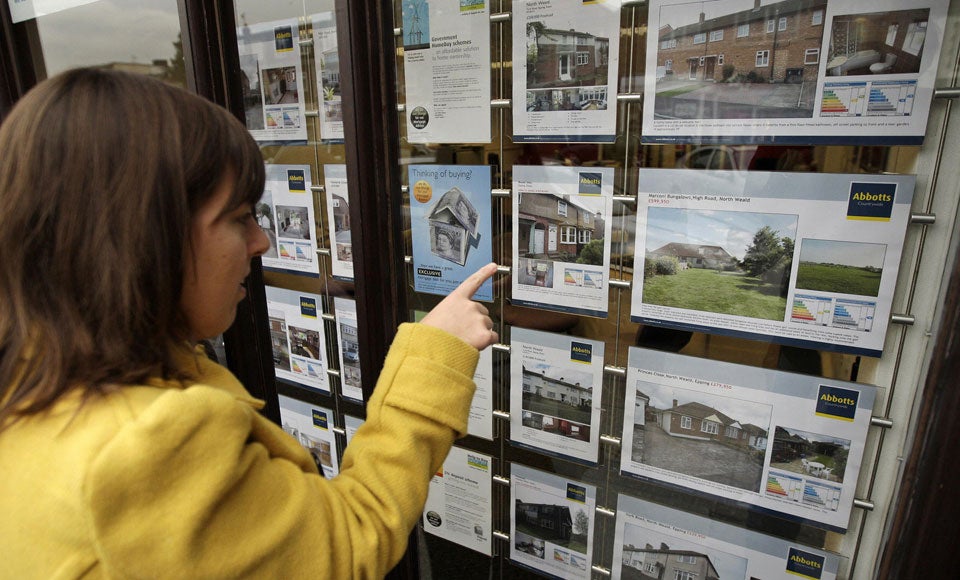
Buyers may be packing open houses and battling it out in bidding wars, but the number of homeowners in the Boston area is headed down, not up.
Homeownership rates have fallen across all income ranges in Boston and suburbs since peaking back in the 2006 at the height of last real estate boom.
The biggest decline has been among middle-income earners, making anywhere from $50,000 to $120,000 a year. The homeownership rate of that range fell to 63 percent in 2013 from 68 percent in 2006, Zillow reports.
Homeownership ranks have also thinned out at the bottom and the top of the wage scales, the online real estate listing and research firm notes.
The drop mirrors a national trend as well, with the homeownership rate across the country sinking to 63.8 percent, the lowest since at least 1995.
“There are plenty of people looking at the market and seeing these rapidly appreciating prices and saying ‘maybe it’s a good time to hold off and save up,’’’ notes Alex Coon, market manager for brokerage firm Redfin’s Boston-area office.
Why is this happening?
1. Priced out

Soaring prices is one big reason why the homeownership rate is thinning across Greater Boston, experts say.
It is simply getting ever more expensive to buy a house, especially within the Route 128 beltway, where several towns and cities have blown past their previous price records set during the mid-2000s.
Families making $80,000 a year could afford just 23 percent of the listings on the market, a study by Boston officials found last year.
Recognizing the affordability crunch, Boston Mayor Marty Walsh is pushing plans for more housing targeted at middle-income buyers, the group that has seen the steepest drop in homeownership.
Still, lower-income workers making less than $50,000 a year in the Boston area have been hard hit as well. The homeownership rate in this group dropped to 38 percent in 2013, down from 40 percent in 2006, according to Zillow’s numbers.
“In many ways, the lower tier household is stuck between a rock and a hard place,’’ said Skylar Olsen, senior economist at Zillow. “Mortgage affordability is not stellar for this group, but it is not like there are a lot of stellar rental options.’’
2. Fewer homes for sale

Another reason homeownership rates are headed down is because there are fewer homes to buy, experts say.
The numbers are dramatic. There were nearly 40,000 homes on the market across the state in the spring of 2006.
As of the end of March this year, that number had fallen to 14,862 — practically just a third of what was for sale about a decade ago, the Massachusetts Association of Realtors reports.
That number also represents a 24-percent drop from March 2014 when that number was closer to 20,000.
One reason for the squeeze has been a drop in home construction. The number of building permits issued for single-family homes across Massachusetts so far in 2015 is down 65 percent from the same period in 2006, U.S. Census Bureau numbers show.
The low inventory levels are discouraging some would-be sellers from listing their homes.
“I am dealing with several buyers and sellers in Manchester who want to make a move up, but they don’t want to put their house on the market until they know where they are going,’’ said Jessica Tully, an agent at Coldwell Banker Residential Brokerage.
3. Tougher mortgage standards

The surge in foreclosures after the real estate market began to slide downhill in 2007 to 2009 also turned more than a few homeowners into renters.
While the state’s poorer neighborhoods were the hardest hit, the suburbs hardly escaped unscathed as some homeowners struggled under the weight of high-interest rate subprime mortgages.
“From the late 1990s to 2006 was a period when homeownership rates ramped up,’’ Zillow’s Olsen noted. “You saw a lot of people owning homes who never owned homes before taking advantage of too much credit being funneled into dubious mortgages.’’
Since then, banks dramatically tightened up lending standards after the debacle, and have only slowly eased up as home prices have bounced back.
4. Renter nation

Some have also argued that a growing interest in apartment living, especially among millennials, is also behind the drop in homeownership.
But the rise of “renter nation’’ has been greatly exaggerated, Olsen contends.
Burdened with unprecedented levels of student debt, and only now starting to see an improvement in the jobs market, many millennials are renting now because they simply can’t afford to buy and may not be able to for a while.
“It’s a myth,’’ Olsen said, arguing that Zillow surveys show that millennial attitudes towards homeownership are actually more conservative than their Xer and Boomer elders.
“It’s hard to disentangle what millennials are capable of doing in the market now compared to what their preferences are,’’ she said.




To comment, please create a screen name in your profile
To comment, please verify your email address
Conversation
This discussion has ended. Please join elsewhere on Boston.com