
The Smaller the Better for Home Renovations
“I typically just recommend cosmetics,’’ said Boston realtor Lisa Loveland when it comes to home renovations.
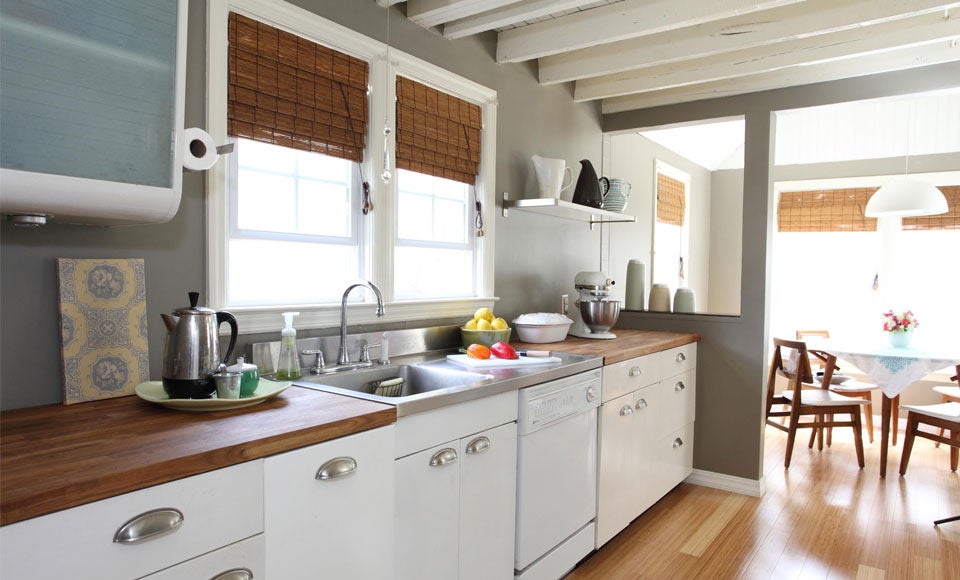
If you’re considering making improvements to your home before putting it on the market, you might want to stick to smaller, more visible enhancements. “I typically just recommend cosmetics,’’ said Boston-based realtor Lisa Loveland, of Lisa G. Loveland Real Estate.
While some sellers might feel inspired to “gut’’ their home, or to make major renovations like adding another room or putting in a pool, real estate experts said big changes usually don’t pay off.
“Major projects like adding on a bedroom or garage, or re-doing a kitchen might make sense in some neighborhoods, but in a lot of neighborhoods, it doesn’t,’’ said Appraisal Institute President Lance Coyle.
Coyle said home renovations should be tempered so that your home “fits in’’ with other houses in the neighborhood. If everyone else in your area owns two-bedroom, two-bathroom properties, it doesn’t make financial sense to add another bedroom or bathroom and “over improve’’ your home. “You don’t want to be that person with six bedrooms,’’ Coyle said. “You’re not going to get a return on your money at all.’’
Coyle and others in the real estate business recommended that sellers focus on making smaller, non-controversial changes instead.
“People appreciate a fresh coat of paint,’’ Coyle said. “People will come and look at that and think, ‘This house is well cared for and in good condition…I can just move in.’’’
Recently, several real estate organizations have given similar advice to homeowners. The National Association of Realtors (NAR) issued a statement earlier this year suggesting that small, exterior home improvements generally yield the highest returns. Some of the savviest changes, according to NAR, included garage door replacements, vinyl siding replacements, minor kitchen remodeling, and wood deck additions.
NAR named “steel entry door replacements’’ the project expected to return the most money, with an estimated 101.8 percent of costs recouped upon sale.
Last month, the Appraisal Institute – an association of real estate appraisers – counseled homeowners similarly, saying to “choose upgrades instead of major remodeling projects to see the greatest potential return on investment.’’
George Riethof, an appraiser with Metro Partners Real Estate Appraisal, recommended minimal modernizations because buyers usually want to do their own comprehensive home renovation after moving. “The last thing you want to do is spend money for a decorating project when the buyer is going to come through and say, ‘Well, that’s nice,’ and rip it out anyway.’’
Here are some upgrades real estate experts suggested:
•Painting walls (in neutral colors)
•Replacing vinyl siding
•Landscaping
•Installing new front door
•Refinishing hardwood floors
•Updating kitchen or bathroom countertops
•Updating kitchen or bathroom cabinets
•Modernizing appliances
If your home has costly repairs that “absolutely need fixing,’’ however, experts said they shouldn’t be ignored. “Rotting steps on your porch, non-functioning appliances, or inadequate heating or electrical systems – it makes sense to fix those things because 10 out of 10 buyers will say it needs to be fixed before closing,’’ Riethof said.




To comment, please create a screen name in your profile
To comment, please verify your email address
Conversation
This discussion has ended. Please join elsewhere on Boston.com