
How to Break an Apartment Lease, Painlessly
You may be in a tricky situation, but there’s no need to worry.
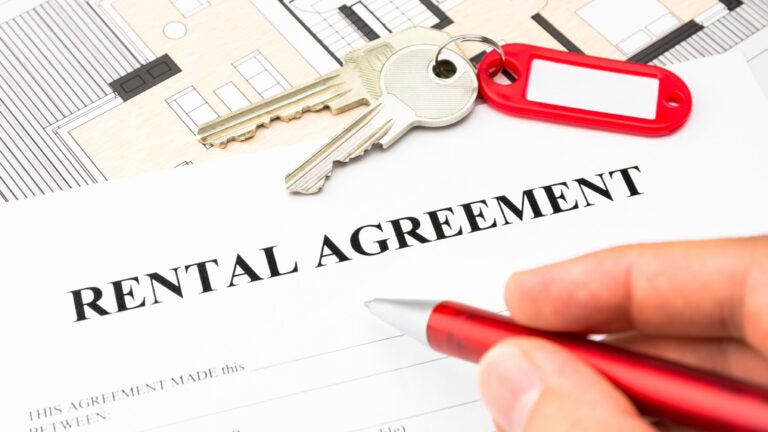
If you are just about to buy your first house, or need to relocate, you must be asking yourself what to do about your pesky apartment lease. Keep calm and read on.
Sure, you could find yourself in a potentially tricky situation, with money on the line or even your credit rating at stake should you ditch your apartment after you land a house and leave your landlord holding the bag.
But while worrying about how to break a lease is certainly legitimate, a proactive approach and an honest conversation with your landlord can often result in a win-win situation for all involved, brokers say.
Timing is Everything
If you’ve found a new home or condo, and are serious about moving from renter to owner, step one is simple: Sit down with your landlord.
However, while sitting up that chat is important, the timing is even more crucial. Advance warning highly desirable.
If you wait until you’ve closed on a house and are ready to move in next month to have your landlord chat, you’ve certainly waited far too long. Let’s just say you are not likely to get a hug or a slap on the back.
Whether your landlord is a veteran rental operator with several units or the woman or man living upstairs, you are dealing with someone running a business and who depends on the payments from your unit to pay the bills.
Sara Rosenfeld, a veteran Coldwell Banker agent active in the Cambridge and Somerville markets, suggests approaching your landlord while you are seriously house-hunting and offer to provide 60 days notice once you’ve found something.
Offer Sweeteners
Along with giving advance notice, you may also want to try and sweeten the deal as well.
You can offer to help find another suitable tenant and to be as cooperative as possible in showing your apartment to prospective tenants, notes Rosenfeld, who has been a landlord herself for three decades.
You could also offer to pay the brokerage fees if your landlord decides to hire a rental agent to help fill the unit, notes Sam Schneiderman, principal broker of the Greater Boston Home Team.
You can also offer to change over to a tenancy at will set-up, where you lose the protections of the lease but pay rent on a month by month basis, Rosenfeld says.
Or, if your lease allows it, you could try subletting, though that means you have the headache of being a landlord at the same time you are in the middle of buying a home.
Whatever you do, read your lease before you take any action. And while you don’t have to anticipate the worst, it also makes sense to take notes on any conversations you might have with your landlord for future reference, Schneiderman says.
And if worst comes to worst, seek out the help of an attorney versed in landlord-tenant law, which, in Massachusetts at least, is rather quirky.
A Not-so-sad Goodbye
But all that said, the hot rental market may be one of your biggest allies right now. In fact, your landlord may not be all that sad to see you go after all.
Right now, it’s a landlord’s market with low vacancy and rising rents. That means there is no shortage of prospective tenants out there, Rosenfeld says.
So with a little lead time, your landlord may very well be able to fill your apartment and at a a higher rent too.
“You still have a very high demand and most landlords will know they can probably get a higher rent,’’ Rosenfeld says.




To comment, please create a screen name in your profile
To comment, please verify your email address
Conversation
This discussion has ended. Please join elsewhere on Boston.com