
In Mass., the Median Income Can’t Buy the Median-Priced Home
A study contends families are fleeing the Bay State for lower cost locales.
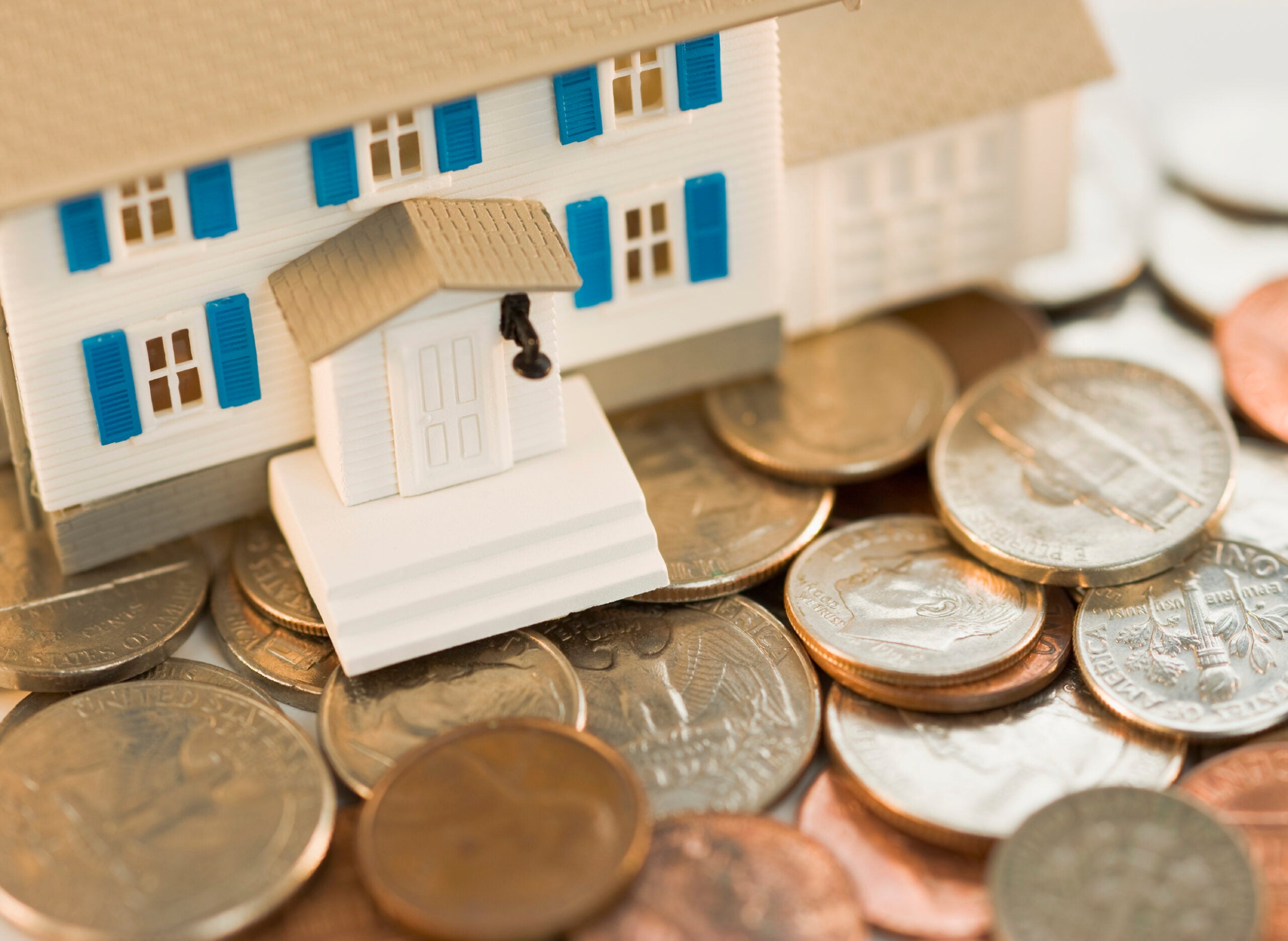
Packed with tech and biotech jobs, Massachusetts has one of the highest median incomes in the country, rising to nearly $67,000 last year.
But hold the champagne. Even with that buying power, the average family can no longer afford to buy the median-priced home in the state, now priced at $332,535, finds a new study commissioned by The Home Builders & Remodelers Association of Massachusetts (HBRAM).
Even the Great Recession, which sent real estate values crashing in many states across the country, failed to put a meaningful dent in the Bay State’s home prices, which rank among the highest in the country, the report finds.
Overly restrictive zoning rules in cities and towns across the state have created a bottleneck, preventing builders from putting up enough homes, especially lower-priced starter properties, to meet demand, the builders’ group contends.
“This lack of affordability can be directly traced to not building enough homes,’’ said housing economist Elliot Eisenberg, the study’s author. “By making it hard to build in Massachusetts, residential home prices climb and our children and grandchildren are forced to move away to make ends meet.’’
The study breaks down in detail just how the median-priced home in Massachusetts is out of reach for the average buyer.
Lenders put strict rules now on the total debt a buyer can carry, limiting it to 45 percent of gross income.
That means the average buyer can’t pay more than $2,233 a month out of a monthly income of just over $5,500, the report notes.
Meanwhile, the mortgage payment on a $332,535 house, based on a standard 30-year loan with a 4 percent interest rate, is $1,508 a month. Add in taxes, property coverage, and private mortgage insurance — which anyone putting less than 20 percent down must pay — and that total debt number rises to $2,008.
A car loan, typically $400 to $500 a month, or student loan payments easily puts that number over the top, the report continues.
And that’s before any credit card balances are taken into account.
“That can easily push them out of qualifying for the mortgage,’’ said Penny Hamel, Vice President and Senior Loan Officer at Salem Five, in a press release sent out by HBRAM. “And even if they have no other debt, which is a rarity, they still might not qualify.’’
Builders argue that a morass of local regulations is stifling efforts to build more housing, especially mid-sized starter homes that would be more affordable to middle-income buyers.
Suburbs and towns have helped to drive up land costs for builders by putting off limits large blocks of land for new development and requiring single-family homes to be built on large lots.
Strict rules related to septic systems, as well as local energy conservation standards for new homes that exceed already high state standards, heap additional costs on.
As costs rise, thousands of families are fleeing Massachusetts in favor of lower cost locales, the builders’ group contends. With a median income of $64,230, buyers in New Hampshire make just about as much as those in Massachusetts, but face a much lower median home price of $233,300.
“We need to encourage policies that favor construction of lower priced starter homes, or we will continue to lose the young families we need to power our economy,’’ said Andrew Crane, HBRAM president, in a statement.




To comment, please create a screen name in your profile
To comment, please verify your email address
Conversation
This discussion has ended. Please join elsewhere on Boston.com