
Ask the Gardener: Planting thoughts of spring
Plus, getting rid of weeds for a flower bed without using pesticides.
That stubborn, dirt-flecked pile of snow in the shady corner of my garden serves as an unwelcome reminder of the winter season, now only a few weeks from coming to an official end. Sunshine and warmer temperatures this past week have lifted my spirits nearly as much as seeing the first of the blooming snowdrops I planted last year push through the earth. Students of nature will have observed the buds swelling on trees and shrubs, while the bud scales of early blooming willows shyly reveal their silvery, furry flower buds underneath.
We are on the cusp of spring returning to New England. Gardeners recognize the invigorating energy, the drive to return outside that spring awakens within us. Whether you have started seeds in your basement, greenhouse, or kitchen, the excitement is palpable.
My thoughts now turn to bed preparation, clean up of winter debris, and cutbacks of last year’s stems. Here are a few things to consider as you get ready for spring cleanup.
Leaving stems standing over winter has loads of benefits, from protecting the crown of the plant, providing habitat and nesting for bees and other wildlife, as well as extending the aesthetic interest of your garden. But now that winter is almost over, when is it safe to cut those stems back? A good rule of thumb is to wait until you observe flying insects in your garden. In our area, that’s usually from late March into early April, depending on the weather trends.
For mulch, I like to leave as much leaf litter in the beds as possible in the fall while collecting leaves from the lawn into a pile. If I have time and motivation, I may run them over with the lawn mower to chop them smaller. That pile of composting leaves is now a great source to top-dress any sections of planting beds blown bare by winter winds. Smaller pieces are easy to work with around the emerging stems, leaves, and blossoms of spring bulbs and perennials.
For some tips on bed preparation, let us turn to a reader question:
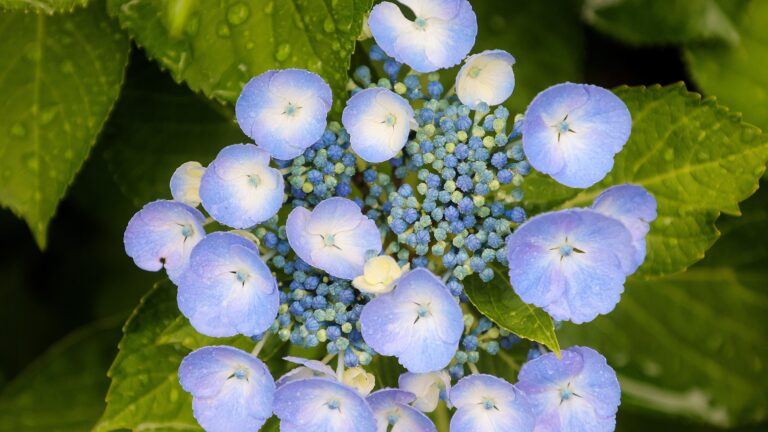
Q. This spring, I plan to move a 6-foot-long by 3-foot-deep bed of hydrangeas about 4 feet behind their current location. The new location currently is overrun with various wild woodland plants/weeds. The new location is lower than the current bed, and I will fill it with about 3 to 4 feet of new loam. Once transplanted, I will add about 3 inches of mulch.
My question is: Should I use a herbicide to kill current, unwanted undergrowth before filling with new loam? Will using a herbicide create a risk to the transplanted hydrangeas? Will simply adding 4 to 4 feet of new loam on top of existing wild plants stifle any new growth without applying herbicide?
Kevin, Natick
A. The tenets of integrated pest management (IPM) teach us to approach pest or weed management in an environmentally sensitive manner. The first step is to observe and learn about your problem. Our reader has identified unwanted plants that may threaten his plans to establish a new bed. Before reaching for the herbicide, let’s consider a few nontoxic solutions that would solve the problem without using chemicals.
The next step in this scenario would be to consider a physical barrier to smother the unwanted plants. Given the amount of loam planned to be added on top, I would put down a layer of cardboard first before the loam is piled on. While the herbicide might not impact the hydrangeas, it will affect the beneficial life found in the loam. Soil is alive with countless organisms that help break down and repackage organic matter into forms that plants can use. Keeping your soil healthy will keep your garden growing abundantly.
If you believe the weeds to be especially tenacious, you can escalate the solution to nontoxic herbicides that use active ingredients like vinegar, citric acid, or botanical oils. Arbico Organics is a great source for these types of products. Organic herbicides are safe to use around people and pets and will not affect the soil kingdom.
After exhausting all other alternatives, then and only then, consider turning to chemical herbicides. The IPM approach ensures that we continue to move away from the days of blanket spraying your plants to the use of organic products delivered with very targeted applications using the smallest amount needed. Happy spring, my fellow gardeners, I hope to see you over the garden gate soon!
Ulrich Lorimer is the director of horticulture at the Native Plant Trust in Framingham. Send your gardening questions, along with your name/initials and hometown, to [email protected] for possible publication. Some questions are edited for clarity.





To comment, please create a screen name in your profile
To comment, please verify your email address
Conversation
This discussion has ended. Please join elsewhere on Boston.com