
Address newsletter
Get the latest news on buying, selling, renting, home design, and more.
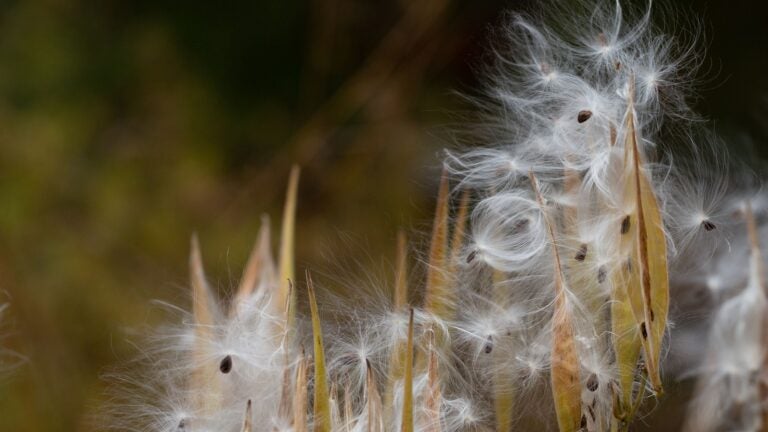
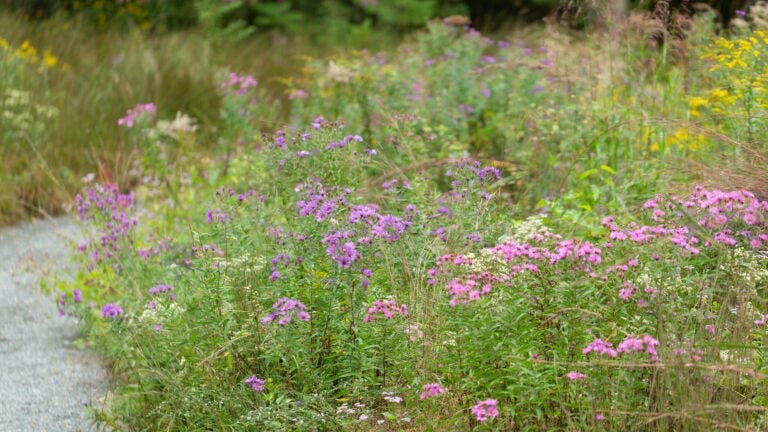
This past week has been glorious in the garden. I have basked in the radiance of autumn foliage, and the warm sunshine under cloudless skies has made for an enjoyable stretch outdoors. The aromatic asters are still in bloom, complemented by another late-season stalwart, the chrysanthemum. Whether perennial or used as an annual, mums accent the shifting color palette of the season with punctuations of purple, yellow, maroon, and orange. These blooms extend the season past the first frost and provide perhaps the final meal for our pollinators before they enter winter dormancy. Not only are the bees busy right now, but songbirds are quite active in stocking their larders and fattening up on seeds and fruits before winter. Seeds, seedheads, fruits, and perennial stalks all add a new dimension to the atmosphere of the fall garden, especially when the late afternoon sun catches the silvery puffs of goldenrod, the chocolate brown hues of an ironweed stem, or the fluffy, downy seeds of milkweed. Many readers have inquired about seeds and seedlings, let us dig in deeper with two questions.
Q. I have been harvesting milkweed seeds for next year’s growth. Would you recommend planting the seeds now to sprout in the spring, or should I wait until the spring?
R.C.B., Hull
A. Several aspects of this question bring a smile to my face. The forward-thinking evident in the question underlines what it means to be a gardener: always planning ahead and making designs for next year and for years to come. Part of that mind-set includes saving seeds, an activity that benefits vegetable gardeners as much as it does perennial and wildlife gardeners. Beginning with a sense of awe about the seed itself and the potential it embodies, saving seeds is free. It is a great way to share the bounty of your garden with others and ensure you can savor the flavor of your heirloom tomato next season. Beyond culinary pursuits, saving seeds from a milkweed plant specifically helps support the conservation of the monarch butterfly, imperiled because of a loss of habitat across its range. Now that you have collected seed from the milkweed, here is what you can do to grow more plants. Direct seeding in autumn has its benefits, chiefly that the seed will experience the cold winter conditions necessary to break its dormancy in the spring. Be sure to plant the seeds firmly and cover them with a very thin layer of soil. The second method is to store the milkweed seeds in a small manila envelope, not a plastic bag, as the seeds need to stay dry. The envelope can be overwintered in an unheated garage or other cool, dry place. Storing seeds in your refrigerator can lead to mold problems because the conditions inside are relatively humid. After the last frost has passed in the spring, plant the seeds directly and keep them well watered until germination occurs and your tiny plants are established. By the summer of next year, you will have added to your milkweed patch and can enjoy the satisfaction of knowing you are helping the monarch survive for future generations.
Get the latest news on buying, selling, renting, home design, and more.
Q. To check the viability of some delphinium seeds, I planted them in my basement under a grow light. This was meant as a test, but now that the seeds have almost all sprouted and are starting to show their first true leaves, I don’t want to just throw them out. Should I let them winter in an unheated garage? Should I put them in the garden under heavy mulch?
TOM, Wells, Maine
A. The fact that plants make viable seeds is in itself a miracle of biology, but that process does not unfold perfectly for every seed. Checking seed viability is important, because no one wants to go through the effort of preparing a planting bed only to fail because the seed is bad. Storage conditions can determine how long a seed can still germinate, with viability often decreasing the longer a seed is stored and faster if storage conditions are not ideal. Sowing a portion of the seeds to see whether they will germinate is the best way to assess viability. Tom, here’s how you can keep those seedlings alive until spring. They are too small to survive a winter outdoors. I would keep them under the grow lights for a few more weeks so that the seedlings can develop a stronger root system and a few more leaves. At the end of November, water them well and then pack your seedling tray with dry leaves or wood shavings and store them in your garage. The plants will enter dormancy and ride out the winter. Periodically, check the seedlings to see whether their crowns remain intact and haven’t softened or rotted. As spring approaches, you can coax them back to life under the grow lights and plant them after the last frost.
Uli Lorimer is the director of horticulture at the Native Plant Trust in Framingham. Send your gardening questions, along with your name/initials and hometown, to [email protected] for possible publication. Some questions are edited for clarity.





To comment, please create a screen name in your profile
To comment, please verify your email address
Conversation
This discussion has ended. Please join elsewhere on Boston.com