
A Vermont country girl becomes a Boston city slicker
There, fields and woods spread across the state. Here, we’re stacked on top of each other.
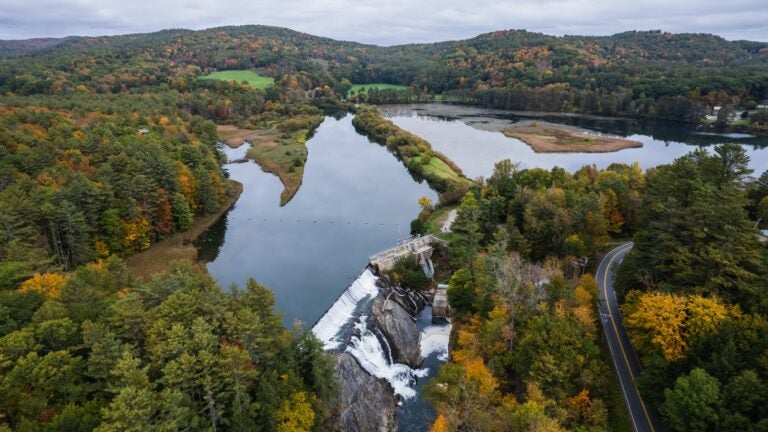
A wall of vibrant green leaves whispers, and the gentle rumbling of a freshwater stream fills the air in Hartford, Vt. Birds intermittently call hello with their staccato chirps, and the whirring of cars is only vaguely audible; the nearest road is sparsely occupied and muted by a barrier of hemlock, birch, and maple trees.
Days are easily spent barefoot in freshly cut grass, lazily lounging at the riverside on hot afternoons, or for kids, stumbling through the woods over roots and wet leaves. It’s easy to find something to do when the Appalachian Trail runs through your backyard.

There’s the equally common sight of unkempt fields with disheveled, melancholy cows separated from the scarred pavement by nothing except a halfhearted wooden fence. Then there’s the tire-popping back roads that toss up rocks and dirt, enough to coat your lungs like ash, and the famously New England smell of ammonia and sulfur (courtesy of the cows) that seeps through car windows and even plugged noses.
Vermont is accustomed to frequent clichés and assumptions. Like anyone who grew up in rural Vermont, I fiercely defend the picturesque quality of a state whose claims to fame include Ben and Jerry’s, Bernie Sanders, Noah Kahan, and maple syrup.
But as a 20-something college student living in Boston for the first time, I often fall into the cynical perspective that the rural New England of my youth is characterized by slow-moving days and even slower driving.
Conversely, in Boston, constant horns and sirens breach any possibility of peace and quiet, unfinished construction abounds, and if you need a reminder you’re never alone, a brisk walk through the Common will do. There’s also the fact that Boston boasts several thousand more people (around 673,000 according to the US Census Bureau) than the entire state of Vermont, which sat at an estimated 648,000 after the bureau’s July 2024 approximation.
Census reports also show that Boston’s population grew at a rate of about 1.3 percent from 2023. My hometown — Hartford, Vt. — dropped 0.3 percent, to about 10,600.
There’s a big wealth gap between Vermont and Massachusetts, too. According to the Vermont Department of Health, 18 percent of households lived in poverty in 2023. In Massachusetts, that figure was 10.4 percent the same year.
While some fled to Vermont for more space and remote work during the COVID pandemic, recent data indicate a steady flow of departures. This is attributed to the state’s low birth rate, high elderly population, and lack of retention of young adults, many of whom leave for college, careers, or to start families elsewhere. Three straight years of July floods have added to the exodus.

A June report from LendingTree showed Vermont has the second-highest home vacancy rate — around 20 percent — in the country. (Maine, at more than 21 percent, was the highest.) It seems the Green Mountain State has houses to spare, but the high cost of living and a lack of people looking for rural homes leave them empty. Massachusetts, meanwhile, has one of the lowest vacancy rates in the United States, approximately 8 percent, according to the report.

Homes in Vermont, whether they are imposing, historical farmhouses lining the roadside, mid-’90s ranch-style houses, or quaint cottages stuck deep in the woods, often sit on open space. Sprawling acres of cleared land mix with dense forests, farms, or wide rivers. Thinking of Boston homes conjures the image of old brownstones or row houses stacked atop each other, lining the narrow streets.
The town of Hartford, Vt., has an average home value of $417,766, according to Zillow. The same website says homes in Boston go for an average of $804,062.
At age 21, I am more familiar with renting than owning. The average rent back home would be about $2,000, while in Boston, an apartment is a hefty $3,350, based on recent estimates from Zillow.
Since being in Boston, I’ve found that despite the occasional unreliability of the MBTA, everything is right there for you. A midnight ER visit is a 10-minute walk, a morning coffee run is on the way to work, and there’s certainly more to do for a college-age person pursuing a career and enjoying a social scene.
Boston is a perpetual college city, while Hartford is a town of families with a side of tourists, if you stop by the Quechee Gorge at the right time of year.
The cacophonous rush of the city — sirens, rap music pouring out of car windows, swarms of people everywhere you look — has become home to me. Compared with rural northern New England, Boston is a head-spinning cold plunge into early adulthood and city life. While I can’t say I miss the thick, manure-laden air, the mud-flecked late-winter slush, or the appallingly low amount of cell service, there is nothing quite like returning home to crickets and frogs chirping under a sky freckled with countless stars and the peaceful silence of mountains and back roads.
Haley Clough can be reached @[email protected].




To comment, please create a screen name in your profile
To comment, please verify your email address
Conversation
This discussion has ended. Please join elsewhere on Boston.com