
Address Newsletter
Our weekly digest on buying, selling, and design, with expert advice and insider neighborhood knowledge.
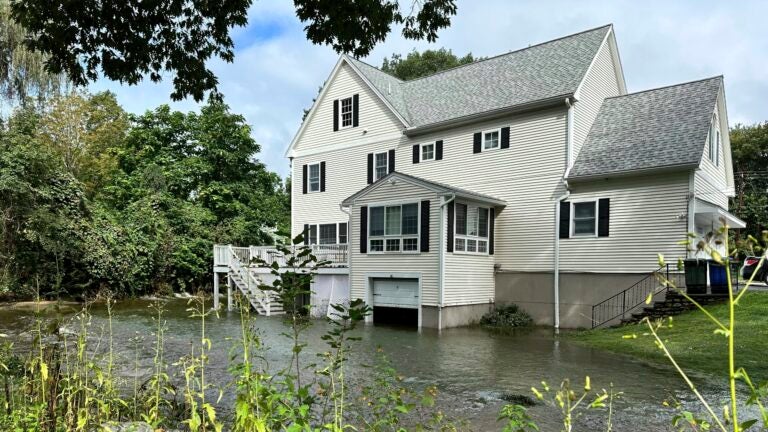
Do you have flood insurance? If your home is located in a high-flood-risk area and you have a federally backed mortgage, you probably do because your lender would have required it. But what if you paid cash for your home? Or it’s not located in a high-flood-risk area? You might still need flood insurance to protect what, for many, is their largest asset — your home.
According to the Federal Emergency Management Agency (FEMA), more than 40% of claims through the National Flood Insurance Program (NFIP) come from damage to homes located outside high-risk areas. In fact, not only is coverage available for less risky locations, but properties located in low-to-moderate risk areas may even qualify for a lower-cost Preferred Risk Policy, which provides protection at a more affordable cost.
According to LendingTree, despite the fact that flooding is the most common and expensive natural disaster in the United States — with an average payment per flood-insurance claim of $33,905 in 2024 through Nov. 30 — flood insurance enrollment fell between November 2023 and November 2024. Experts say that’s because there are many myths about flood insurance.
“The biggest misconception is that floods only happen in coastal areas — that it’s only an issue for the Cape and the islands,” said Ben Cavallo, a principal of C&S Insurance in Mansfield. “But Leominster had 11 inches of rain in one day in 2023, and there was massive flooding even though it’s nowhere near the water. You can be vulnerable to a flood even on a hill.”
The City of Boston recognizes the risk of flooding with a dedicated section on its website about the risks. “Flood is one of the most common and costly natural disasters,” said Logan Grant, Boston’s floodplain administrator. “However, many homeowners and renters underestimate their risk.”
Another common myth is that a homeowners policy will cover flood damage. Not so, Grant said — a separate flood insurance policy is recommended for those at risk.
Check with your insurance agent to find out whether it’s advisable for you to have flood insurance and where to get it. Policies are available through the NFIP or through private companies, some of which are now adding flood coverage to an existing homeowners policy, Cavallo said, although that’s primarily for companies that insure high-net-worth homeowners. You can also find a flood insurance provider at floodsmart.gov/get-insured/flood-insurance-provider.
Although you can select how much coverage you want, the NFIP limits building coverage to $250,000 and contents coverage to $100,000 for a one- to four-family structure. Excess flood insurance, with higher limits, is available from private companies.
According to Cavallo, an NFIP policy on a hypothetical single-family home in a moderate-to-low flood-risk area of Bedford, with a limit of $250,000 for the dwelling and $100,000 for contents, would cost $434 per year. Compare that to the premium for an NFIP policy in the same amounts for a seasonal single-family home on the beach on Martha’s Vineyard, a special flood hazard area, which would cost $11,119 per year.
Cavallo recommends shopping around for the right flood product and price. Those concerned about the premiums they’re quoted may want to raise the policy deductible and accept more risk themselves, which would lower the premium.
“You’re better off having a high deductible and some coverage than no coverage at all,” he said.

Our weekly digest on buying, selling, and design, with expert advice and insider neighborhood knowledge.





To comment, please create a screen name in your profile
To comment, please verify your email address
Conversation
This discussion has ended. Please join elsewhere on Boston.com