
Newsletter Signup
Stay up to date on the storm with our snow newsletter.
The deaths of three family members in Nahant on Monday in an apparent case of carbon monoxide poisoning underscores the importance of knowing how to prevent tragedies like this and how to spot the symptoms.
Massachusetts firefighters detected carbon monoxide on 5,022 calls in 2002, according to the most recent year with complete data compiled by the state Department of Fire Services. Massachusetts had averaged 4,692 carbon monoxide calls per year from 2013 to 2021.
“Carbon monoxide is poisonous to people and pets,” Jake Wark, public information officer for the department, said via email. “Young children and older adults are most vulnerable to CO poisoning, but people of any age and health can become sick or even die. We can’t see, smell, or taste carbon monoxide: Only a CO alarm can detect it.”
The victims in Nahant were all adults.
The risk of carbon monoxide poisoning increases significantly during the cold months, as people turn on the heat, Wark said. “About 90% of carbon monoxide calls are at people’s homes, and the No. 1 source of carbon monoxide in the home is heating equipment.”
“Carbon monoxide deaths are not required to be reported to DFS, but we are aware of 22 fatalities in the 10 years from 2013-2022,” he said.
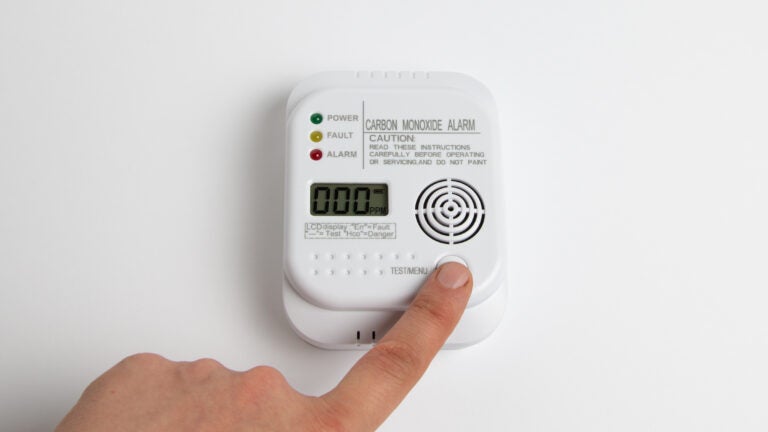
Homes should have one on every level, Wark said.
“This has been required since 2007, following the death of 7-year-old Nicole Garofalo, who died of CO poisoning because a heating vent was blocked by a snowdrift. If the alarm takes alkaline batteries, change the batteries twice a year when you change your clocks, and test them every month to be sure you’re protected,” he said. “CO alarms should be replaced when they reach the end of their lifespan, which is usually 5, 7, or 10 years, depending on the model.”
“Because furnaces, fireplaces, water heaters, oil burners, and other fuel-burning appliances all create carbon monoxide, it’s important to know where the vents are and keep them clear when the snow falls,” Wark said.
“Having these appliances professionally checked each year can keep them operating properly and identify issues before they become emergencies,” he said. “Never use portable propane or kerosene heaters indoors – the fire and CO hazards are simply too high.”
Power outages are a big concern for tonight’s storm, with high winds and heavy rain expected into tomorrow.
“A generator puts out 100 times more carbon monoxide than a car, so it’s important to use them safely,” Wark said. “Always place generators outdoors at least 10 feet from any dwelling – never inside the house, not even in a basement or garage with the door open, and direct it away from doors and windows.”
“Generators pose fire and shock hazards, too,” he said. “Plug appliances directly into the generator, or use heavy-duty, outdoor-rated extension cords. Make sure these cords are free of damage and have all three prongs – especially the grounding pin. Keep the generator dry and operate it on a dry surface under an open canopy or tent if necessary. Dry your hands before touching the generator, and let it cool before refueling. Fuel spilled on hot engine parts can ignite.”
“Exposure to carbon monoxide can produce headache, nausea, dizziness, confusion, fainting, unconsciousness, and death,” according to the department’s webpage. “CO poisoning can also mimic flu symptoms.”
If you suspect that you have been exposed to carbon monoxide:

Stay up to date on the storm with our snow newsletter.





To comment, please create a screen name in your profile
To comment, please verify your email address
Conversation
This discussion has ended. Please join elsewhere on Boston.com