


Address newsletter
Get the latest news on buying, selling, renting, home design, and more.
It’s been called one of life’s most stressful events, and the process of moving doesn’t end when you unlock the front door. But with a little foresight, there are a strategies experts say can ease the transition.
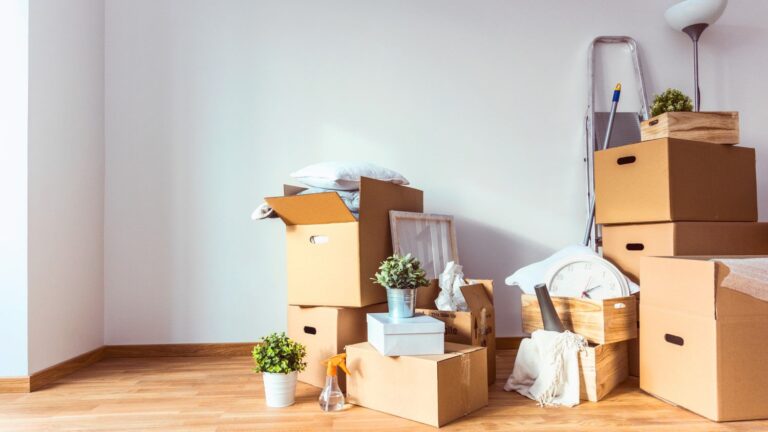
It’s all about the “open first” box, said organization expert Sarah Buckwalter, founder of Organizing Boston.
“I like to tell people to pack like you’re going on vacation for a week to a rental house and you need the basics,” Buckwalter said. “You can open it up as if you’re going to a rental house that doesn’t have anything in it, and you can live for at least a few days.”
That box should contain a few changes of clothing, toiletries, medication, laptops and chargers, and basic food items, such as cereal and coffee. Food can be purchased locally, too, of course, but items like paper towels come in handy, and if you’ve thought ahead, you’ll spare yourself a trip to the store.
Knowing your landing pad well also will help with a seamless transition and inform what goes in the “open first” box or boxes. Does the home have glass shower doors, or will you need a shower curtain? Don’t forget bath mats and hand towels.
“For kids, sometimes that might include ‘stuffies’ or their sound machine or a night light, things like that,” said Holly Hutchenson, owner of Open Door Organizing. Electronics such as the remote control are easy to overlook but come in handy. Don’t overlook the checkbook and other important documents. It’s all about imagining those first few days.
“Sometimes we even [pack] light bulbs because the moving company moves your lamps … and you set it up and then you can’t find light bulbs,” Hutchenson said.
“Anything that you do in advance is just going to be a gift to your future self when you move in,” she said.
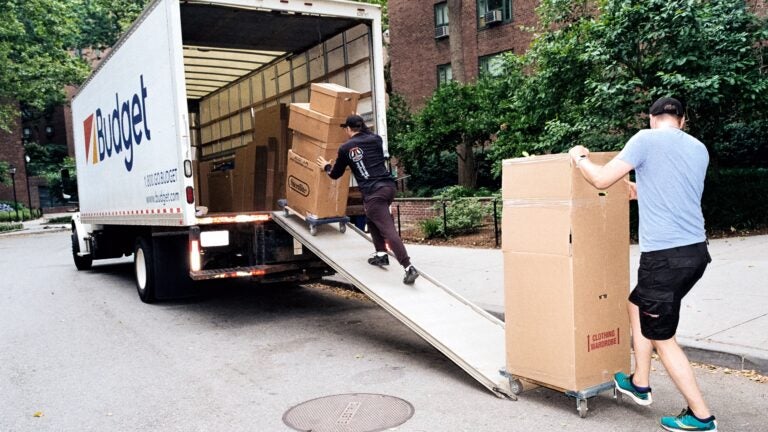
If you hire movers, be proactive about labeling, Buckwalter advised: Instead of asking movers to drop boxes in a central location, use colored labels, sorting by room and labeling doors, so movers can drop boxes where they belong, eliminating later organizing.
“When the movers are unloading, they’re actually putting the boxes with the pink label in the room with the pink label,” she said.
Buckwalter said working with organizers reduces some of moving’s more time-consuming aspects. Her team packs up homes and unpacks them later.
“Some people we work with just go on vacation,” she said. “They’re like, OK, [when] I come back, my house will be all set up.”
And minimizing what does have to get packed can lighten the overall load — and save costs. Purge in advance; clothing and old paperwork do not need to come along, said Cher Devitt, a Roslindale-based home organizer. “Don’t pay movers to move that stuff if you’re just going to shuffle a box from place to place to place.”
The most precious cargo, she said, is yourself.
“Even though things are kind of chaotic, don’t stop taking care of yourself,” Devitt said. Eat well, get adequate rest, and don’t get overwhelmed after you move.
“Don’t think about the big picture,” she said. “Just take it piece by piece.”
Get the latest news on buying, selling, renting, home design, and more.





To comment, please create a screen name in your profile
To comment, please verify your email address
Conversation
This discussion has ended. Please join elsewhere on Boston.com