
Wu says she’ll wind down Boston’s urban renewal districts. Here’s what that means.
Mayor Michelle Wu on Monday asked the City Council to begin “sunsetting” five of the city’s 14 active urban renewal plan areas.
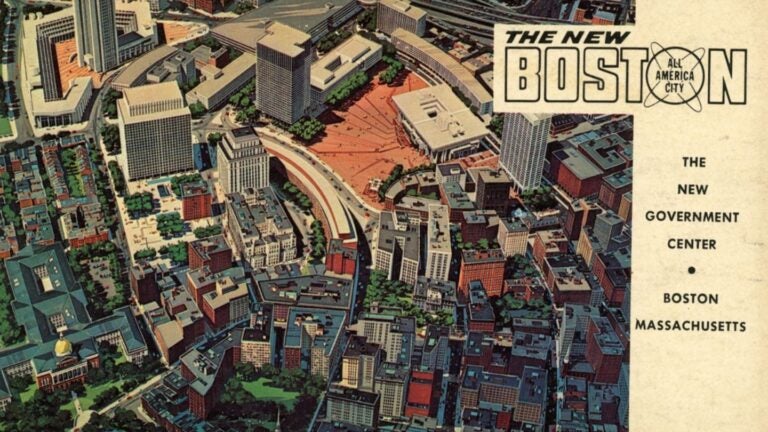
Sixty years after it was used to reshape big swaths of the city, Boston is scrapping urban renewal, the Globe’s Catherine Carlock reports.
Mayor Michelle Wu on Monday asked the City Council to begin “sunsetting” five of the city’s 14 active urban renewal plan areas, with the goal of winding down all of the plans by the end of this year.
A powerful urban development tool granted to the then-Boston Redevelopment Authority in the late 1950s, urban renewal has been the city’s primary mechanism to take so-called “blighted” property by eminent domain, and was key to the wholesale razing of the West End, Scollay Square, and parts of the South End and Roxbury in the 1950s and ′60s. More recently, however, the re-named Boston Planning and Development Agency has implemented its urban renewal powers in a more surgical way, using them to help preserve affordable housing in Roxbury and Charlestown and assisting a new operator to purchase a North End nursing home.
Read the full story on BostonGlobe.com.
Don’t have a Globe subscription? Boston.com readers get a 2-week free trial.





To comment, please create a screen name in your profile
To comment, please verify your email address
Conversation
This discussion has ended. Please join elsewhere on Boston.com