
How to prepare for a tropical storm or hurricane
There are a lot of things you can do to prepare your home and your family before a storm hits. Continue reading at realestate.boston.com.
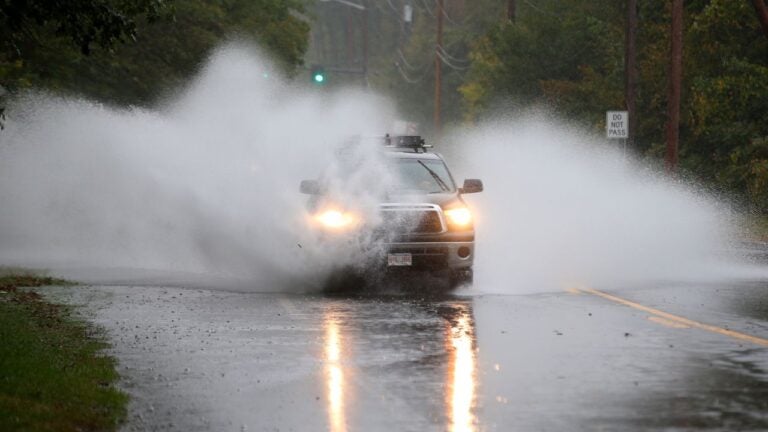
Henri is on our doorstep, so now is the time to prepare.
The National Hurricane Survival Initiative has released the top 10 mistakes homeowners make that increase risk to life and property and impede recovery:
MISTAKE 1: Failing to know the threat
“I don’t live within a mile of the coast, so I’m not worried about rising water. The biggest threat to me is wind damage.”
What Experts Say: History proves that storm surge is the deadliest part of a hurricane. People have the misconception that if they can’t see the ocean from their home, they’re safe. Storm surge can go miles inland. The National Hurricane Center reports that more than half of the deaths in three recent landfalling hurricanes in the United States were caused by storm surge. Remember what Hurricane Irene’s floodwaters did to New England in 2011?
MISTAKE 2: Failing to evacuate
“My house is a fortress, and I’m here to protect my property. I’m staying and riding out the storm, no matter what.”
What Experts Say: When officials issue an order to evacuate, you should respond immediately, remain calm, and take your disaster supply kit. Remember to let others know when you leave and where you are going. Stay, and you endanger first-responders.
MISTAKE 3: Failing to leave in time
“I can outrun the storm. I’ll just head in the opposite direction.”
What Experts Say: If your area has been asked to evacuate, and if a hurricane is imminent, you’re better off leaving your home for an official hurricane shelter or staying with friends out of the evacuation zone.
MISTAKE 4: Failing to protect the home
“I knew that tree branch was hanging low over the roof, but I didn’t get around to trimming it. Or fixing my roof. Or updating my old garage door … “
What Experts Say: If you’re a homeowner, and you haven’t done anything yet to protect your home, start with your largest opening first. And for many homes that have a garage, that usually means the garage door. Homes in the Northeast have the same susceptibility to these storms as properties in the South, perhaps more, because in places like Florida, the infrastructure is designed to withstand hurricanes.
And don’t use masking tape on windows. It creates larger, more dangerous shards of glass.
MISTAKE 5: Failing to organize important papers
“Important papers? They’re all over the place. Let’s see, there’s the passports, the insurance policies, the Social Security cards, our will … “
What Experts Say: Keep these records in a waterproof container and a second copy at the home of a trusted relative or friend in a different city.
MISTAKE 6: Failing to take inventory
“I don’t need to make an inventory of our valuables. I’ll remember what we have.”
What Experts Say: You won’t remember. In addition to making lists, take photos or film each room, showing the valuables you have.
MISTAKE 7: Failing to ensure you have adequate insurance
“I don’t have any idea if I have flood insurance or not. I last met with my insurance agent in 1993, or was it ’83?”
What Experts Say: Make sure your possessions are covered, and if you live in or near a flood zone, make certain you have flood insurance. That is never included in standard homeowner policies. Renters need it, too.
MISTAKE 8: Failing to make provisions
“A gallon of water per day for each member of my family? Who has room for that? And, anyway, it’s the government’s job to provide food and water in a disaster … “
What Experts Say: By starting early, you’ll avoid the rush at home supply and grocery stores and other venues typically crowded and often chaotic when hurricane watches and warnings are issued. You don’t want to find shelves bare when you need the basics. Some states have tax holidays for hurricane supplies. People should have enough supplies — water, canned food, flashlights, batteries, a manually operated can opener, and medication — to last 72 hours or more.
MISTAKE 9: Failing to know the safety protocols
“If I lose power, I’ll run my generator from the garage, so it stays dry.”
What Experts Say: Portable generators use an engine and will give off carbon monoxide. You don’t want that deadly gas in the house. Tragedy can be avoided with the proper placement of the generator outside the home, away from any vents that lead into the house, and not in the garage. Also: Never leave a lighted candle in an unoccupied room.
MISTAKE 10: Failing to provide for Fido and Fluffy
“All shelters take pets, don’t they?”
What Experts Say: Know where the nearest shelter that accepts pets is. A lot of people leave their pets behind because they simply don’t know. The key to protecting yourself and your pets, experts emphasize, is being prepared.
“We do provide shelter, food, counseling, and other services during times of disaster,” said Kevin Smith, emergency disaster services director for The Salvation Army. “But in order for us to do the most good, we need people to take responsibility and to be prepared so we can respond to those who need us the most.”
Other tips:
- Clean your gutters.
- Clean the sewer grates near your home.
- Check your sump pump.
- Move your belongings off the floor in the basement.
- Get a generator and know how to use it.
- Trim trees.
- Put away your outside belongings
- Clean your fridge and freezer of anything you don’t want and put the appliances on their coldest settings. (Try to keep them closed if you lose power).
- Remember fire safety. As the Globe’s Heather Ciras noted: “The state fire marshal has specific warnings on preventing fires during emergencies, such as don’t leave lighted candles unattended, dispose of fireplace ashes in a safe manner, don’t bring grills into your home to cook, keep your generator outdoors, and store gasoline away from the house.
- Do not enter a flooded basement. If the fuse box is underwater, you could get electrocuted. Also, there may be untreated sewage in the water.
- Fill up your gas tank.
- Charge your devices.
- Check on elderly relatives, friends, and neighbors.
For more information …
American Red Cross: Emergency App
National Oceanic and Atmospheric Administration: NOAA runs weather radio 24 hours a day, every day.
Federal Emergency Management Agency: FEMA app
Massachusetts Emergency Management Agency website.
City of Boston: Alert Boston app





To comment, please create a screen name in your profile
To comment, please verify your email address
Conversation
This discussion has ended. Please join elsewhere on Boston.com