
Ask the Gardener: When and how you should fertilize your lawn
Award-winning writer Carol Stocker answers readers' questions about lawn care and growing seasons.
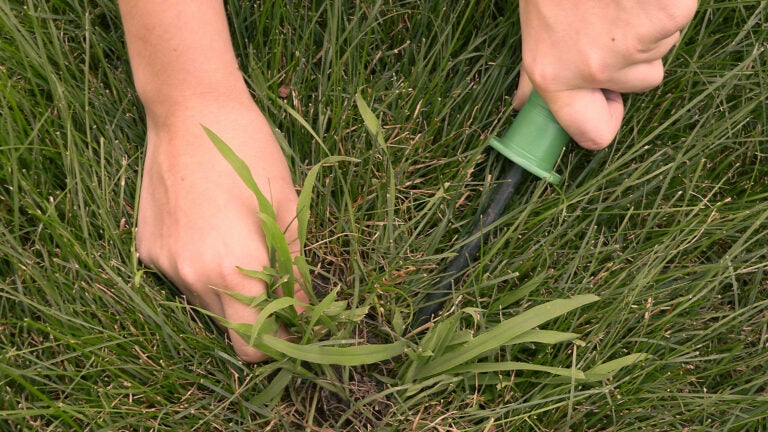
What to do this week: Start your spring cleanup in areas dedicated to the earliest vegetables and flowers, but wait until your gardens and lawn are thoroughly dry before working on or even stepping on them. If you wait, then the soil won’t compress, and dormant beneficial insects such as butterflies have more time to emerge from the leaf litter. (They’re part of the circle of life.) Make room in your compost pile for organic debris by extracting and screening finished compost for the top dressing before you mulch the beds. Start a compost pile in a partly sunny corner, but make a separate pile for leaves. They become the best nutritious (and free) mulch when they crumble — after about a year.

Q. I tested my soil, and the pH is good, but it needs nitrogen, potassium, and potash. I bought commercial seed and fertilizer. Should I fertilize with the nitrogen first? How long do I need to wait before seeding?
P.M., Dedham
A. You can seed lawns now and apply a quick-release starter fertilizer that’s high in nitrogen and phosphorous at the same time using a spreader. I would then cover the grass seed with a quarter inch of compost (not mulch), if you have it. This will improve the soil and help you keep the seedlings constantly moist. Cut off a half inch when the new grass is 3 inches tall, bagging the clippings. You can apply a nitrogen-rich organic fertilizer six weeks after seeding or overseeding.
Fertilize established lawns in the spring with nitrogen to promote greening after you’ve mowed a couple of times, or with a phosphorus-heavy fertilizer in September to promote root growth and long-term health. Do not overfertilize, or you can burn the grass and pollute watersheds with the runoff.
Q. I want to get started! What can I plant in my vegetable garden right now? I have a drip-irrigated raised bed that gets full sun.
R.W.S., Chatham
A. That sounds ideal. A raised bed warms up early, giving you a headstart, and Chatham runs about a week ahead of Boston. Sow or transplant vegetables that tolerate cool weather, including beets, Swiss chard, broccoli, kale, and carrots. (Your average date of the last spring frost in Chatham is April 24, and the first fall frost is around Oct. 23. Growing seasons have expanded by about two weeks since I started gardening 40 years ago.) Wait three more weeks to plant warmer-weather vegetables such as tomatoes, summer squash, beans, and cucumbers.
Send questions and comments, along with your name/initials and community to [email protected] for possible publication. Subscribe to our newsletter at pages.email.bostonglobe.com/AddressSignUp. Follow us on Facebook and Twitter @globehomes.





To comment, please create a screen name in your profile
To comment, please verify your email address
Conversation
This discussion has ended. Please join elsewhere on Boston.com