
Ask the Gardener: With this daisy, you can’t fight city loll
Carol Stocker looks at a daisy variety that works at the beach, but is lazy in the city. Plus, a southern tree heads north.
What to do this week: It’s been a long, warm, mostly dry, and sunny autumn. Glorious for people. Not so good for plants. But the soil is still warm, so buy and plant trees, roses, and perennials on sale at local nurseries. Also dig up spring or summer perennials that need division or relocation, plus unwanted tree seedlings and invasive multiflora roses (revealed by their changing leaf color). They hide from mowers around hedges and fences especially. I carry a bag of spring bulbs and place a few, mostly long-lived daffodils, in the bottom of those holes for their bonus blooms. This is one reason I plant and move my perennials in the fall. Many bulbs look casual enough for this random distribution and bloom a few weeks before everything else, looking like self-sown wildflowers on the garden’s empty stage before the real show begins. Tulips are later and more formal in appearance, however, so you need a planting plan for these. But I usually don’t plant tulips, anyway, because many types just bloom once — and only if deer don’t devour them. Bulb planting depth is three times the width of the bulb, but most are not fussy about this. Any fertilizer goes on top, not in the hole.
Q. Five years ago, I bought a monarch daisy plant from a reputable nursery that was full of white flowers. It hasn’t flowered since, but I keep it in my garden because the foliage is beautiful. I don’t know why it doesn’t flower. One gardener told me that it may need a partner of the opposite sex. Is that true?
N.M., Dorchester
A. A monarch is a beloved migratory orange and black butterfly. Though the butterfly is struggling to survive, 2019 was a relatively good year for sightings, perhaps because more people (like me) are planting the native milkweeds it requires. (After taking a few years to find my yard, they finally showed up.)
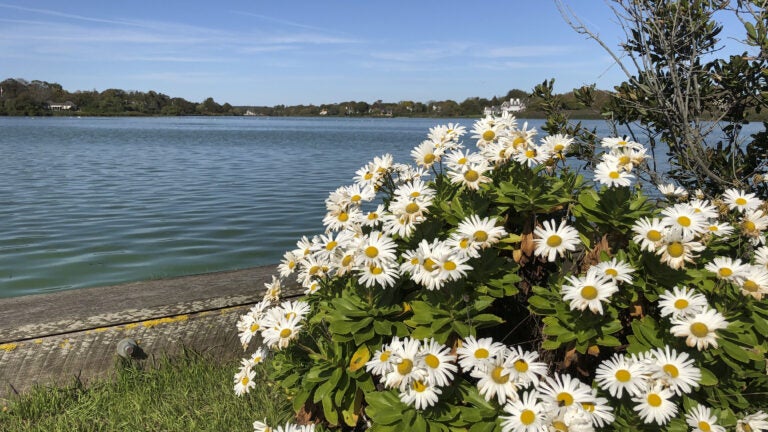
I think what you have is a Montauk daisy. And it probably just doesn’t have enough sun to bloom. You’ve put a beach lover in the city, and it is not happy about it. This chrysanthemum relative puts on a show at the end of the year, especially on Cape Cod, where it thrives on blinding sun and sandy soil, while shrugging off deer, salt, drought, and heat. Though hailing from Asia, Nipponanthemum nipponicum has naturalized around beach communities like Montauk, N.Y., which contributed its common name. In April, transfer yours to a large planter filled with sandy soil or well-draining soilless mix and move it to your sunniest spot. You don’t need to water it, but at the end of June, chop off the top to encourage a more compact form and more flowers. If you don’t, it will turn into a leggy 3-foot mound.
Incidentally, most flowers contain both male and female organs (anthers and stigmas) and can fertilize themselves with the help of bees. Very few annuals and perennials need plant partners.

Q. On a recent visit to Long Island’s eastern tip, I saw a tree with lilac flowers. The owner said it was crape myrtle, a southern tree. I saw on a website that a few people have grown it successfully in Massachusetts. What do you think?
A.C., Dedham
A. I’ve never seen a crape myrtle in Massachusetts, but with global warming, I expect to be growing one sometime in the future. And maybe palm trees. If you want to try growing crape myrtle now, plant a relatively cold-hardy cultivar like “Filigree’’ in midsummer when the soil is warmest. After the first hard freeze, cut it back to a few inches and cover it with protective fabric and mulch.
Warming winters open a rather exciting new world of Southern plants to New England gardeners (as well as less exciting Southern insects and diseases). Cape Cod favorites like blue hydrangea, chaste tree, native opaca holly, and, yes, Montauk daisies have already moved north to Boston. Unfortunately, so has invasive porcelain berry vine (Ampelopsis), which is now clambering throughout my neighbors’ yards and headed for my house. It is an Asian relative of the grapevine, with very similar lobed leaves and beautiful turquoise fall berries. Cut it to the ground wherever you see it to prevent birds from spreading those beautiful but ecologically disastrous berries. Meanwhile, kudzu, nicknamed “the vine that ate the South,’’ has landed on Martha’s Vineyard. Keep an eye out as leaf colors change, and destroy any vines you did not plant.
Send questions and comments, along with your name/initials and community to [email protected] for possible publication. Subscribe to our newsletter at pages.email.bostonglobe.com/AddressSignUp. Follow us on Facebook and Twitter @globehomes.





To comment, please create a screen name in your profile
To comment, please verify your email address
Conversation
This discussion has ended. Please join elsewhere on Boston.com