
Ask the Gardener: Tips for planting a more harmonious garden
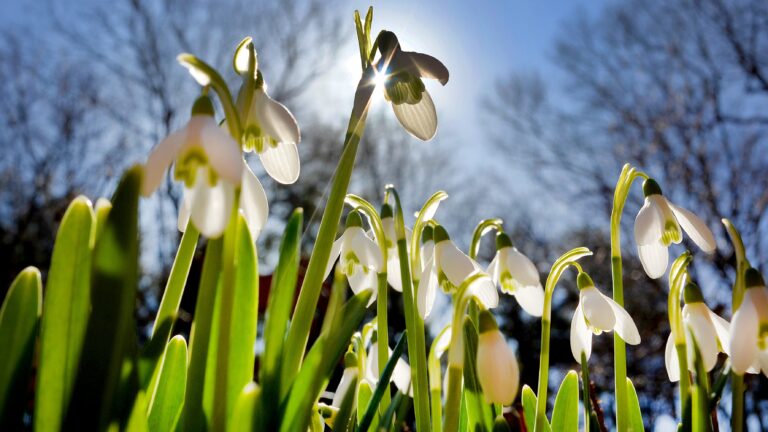
Gardener Carol Stocker also snitches on pretty plant with a thug-like temperament: lily of the valley.
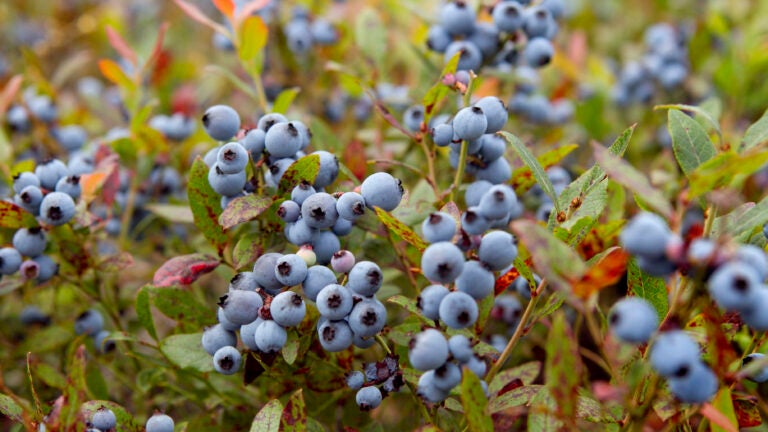
What to do in the garden: Cut blooming roses just above an outward-facing leaflet, and then cut the stems again under water before arranging them. Birds will eat blueberries before they even turn blue, so don’t wait to cover bushes with netting. Pick all types of berries in the morning, but don’t wash them until you use them. Cut back phlox, asters, and chrysanthemums by a third and thin out half the stalks now for more flowers and less staking in the fall. To keep named phlox varieties colorful, pull all self-sown seedlings; they revert to murkier colors and crowd out their tamer hybrid parents. Ingrates! Stake tall perennials and dahlias before they topple. It’s pea-pickin’ time. Pick snap peas anytime, but harvest snow peas before the pods fill out. English peas are ready to harvest when the pods are bright green. Pick and discard old pea pods you missed to keep the vines producing.
Q. A couple of my gardens are a hodgepodge. I just buy what I like. How do I create more harmony — plant only matching colors? Move tall things to the back?
C. L., Upton
A. Imagine how hard it would be to buy home furnishings you spontaneously fell in love with, if you had to know where everything was going ahead of time! I am not a good planner, so I use what I call “the rearranging the furniture approach to garden design.’’ I have to see plants blooming together to tell whether they complement or clash. If they prove a bad combination, I dig up one offender to move or give away. What people don’t realize is that 95 percent of plants are easy to transplant, especially in the spring and fall when it’s cooler and wetter. (I try not to move plants in the summer or those with long carrot-like tap roots, like Oriental poppy and butterfly weed.) My other advice for easy harmony (this sounds like a dating app!) is to avoid bold Aunt Orange and her sweet Cousin Coral. They’re bad mixers! I try to use either all warm or all cool colors in a flower garden. For instance, I just bought a random assortment of annual flowers and planted all the cool pink ones in the front yard and all the warm coral ones in the backyard. Never the twain shall meet. When in doubt, I buy white, purple, or blue flowers, which go with everything. And yes, the tall things go in the back.
Q. Dumb me. A few years ago I planted small bunches of lily of the valley with my beautiful myrtle ground cover — goodbye myrtle. The lily of the valley overtook and continues to encroach on everything. How do I get rid of it?
J. S., Hingham
A. Lily of the valley is a European wildflower that’s dainty in appearance and thuggish in temperament. It’s prized for its elusive scent. You can control it by digging up entire clumps of roots attached to dampened soil so that the roots stay in one piece. Or you can kill the plants by covering them with several layers of newspaper, cardboard, or landscape cloth held in place with planters, rocks, or bark mulch for a year. Start when lily of the valley is sprouting in the early spring or after you have cut or mowed it short. It you just want more of the fragrant flowers with less foliage, thin out your stand by digging up and discarding several shovelfuls of roots in the middle and filling the new holes with revitalizing aged compost.
Send questions and comments, along with your name/initials and community to [email protected]. Subscribe to our newsletter at pages.email.bostonglobe.com/AddressSignUp.




To comment, please create a screen name in your profile
To comment, please verify your email address
Conversation
This discussion has ended. Please join elsewhere on Boston.com