
Ask the Gardener: These pretty plants will stand up to a N.E. winter
Award-winning garden writer Carol Stocker also offers advice on which herbs to bring indoors and a trick to keep rosemary alive in your kitchen.
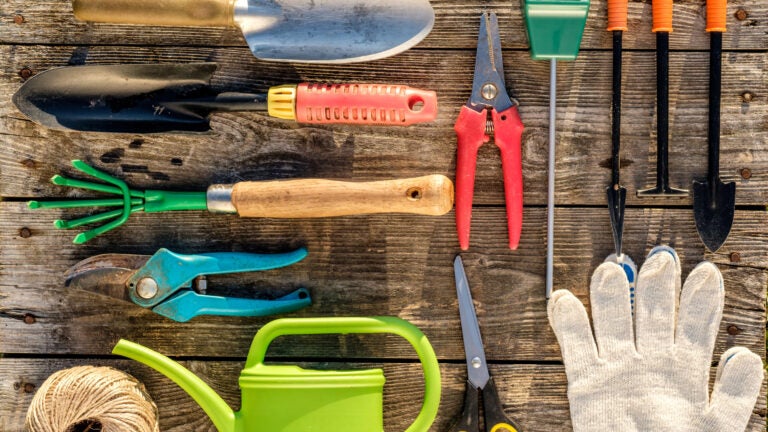
What to do this week: Leave plants standing through the winter that have seeds that feed birds, such as coneflower and black-eyed Susan, but continue cutting down other perennials and pulling out spent annuals and vegetables. Collect and bag all diseased plants such as maple leaves with tar spot, blighted tomatoes (tops and roots), and perennial phlox (tops but not roots) with powdery mildew, so fungus spores do not winter over in your yard to infect plants next year. Keep planting spring bulbs through the end of November as they become available. The depth should be three times the width of the bulbs, but most aren’t fussy. I often combine this activity with digging holes for moving perennials and small shrubs, which is also best done now.
Q. We need to replace our rhododendron that took a beating with snow and ice. Can you recommend a shrub that will hold up in a Boston winter?
P. N., Boston
A. What you need is a plant that you can cut to the ground in the winter, to create a landing platform for snowplows, only to have it pop back but in the spring. If your site is in part shade, I recommend the large-flowered white Annabelle hydrangea, one of the only hydrangeas that survives this treatment. If your spot is sunny, try herbaceous peonies. This is a good time to plant either. Position peonies so the tips of the pink underground buds are only 1½ inches under the soil surface. Hydrangeas, like most shrubs, should be planted at the level they are growing in the pot. Mulch should not come directly in contact with either plant’s stems. Both grow roughly 3 feet tall and wide, so plant multiples if you have a lot of space to fill.

Q. Which culinary herbs can I move indoors? Every year my rosemary dies, whether I leave it in my herb garden or dig it up and bring it inside. Is it an annual?
P.S., Providence
A. Rosemary is a frost-resistant perennial here, but not hardy. Though easy to grow outdoors, it is fussy about drainage indoors, so the trick is to “double pot’’ it now into an unglazed terra-cotta container placed inside a second larger one, filling the space between the two with potting soil. Sounds complicated, but it works. Keep rosemary very slightly damp to the touch at all times, but not wet. Oregano, chive, thyme, and mint are easier to keep alive indoors, but don’t bother trying to save your basil; it needs more light than your brightest window can provide.
Q. I am doing my fall cleanup and want to start a compost pile to recycle my yard waste instead of hauling it to the curb. What’s safe to put in there?
T.K., Salem
A. Do not compost invasive plants that can regenerate from a piece of root such as creeping Charlie, witch grass, and most vines. You should also bag plants with diseases and weeds with seeds, such as goldenrod. Most home compost piles don’t get hot enough (130 degrees) to sterilize their contents, but municipal composting operations do, so you won’t have to worry about spreading diseases by putting them out for collection. Also, never compost fats, dog messes, kitty litter, or any protein except for animal fur or washed eggshells. Only compost raw or boiled vegetable matter and fruit, because cooking usually adds fats. The ideal compost pile size is 3 feet square. When you reach these dimensions, start a second pile.
Send questions and comments, along with your name/initials and community to [email protected]. Subscribe to our newsletter at pages.email.bostonglobe.com/AddressSignUp.





To comment, please create a screen name in your profile
To comment, please verify your email address
Conversation
This discussion has ended. Please join elsewhere on Boston.com