
Ask the Gardener: How to make those hydrangea bloom
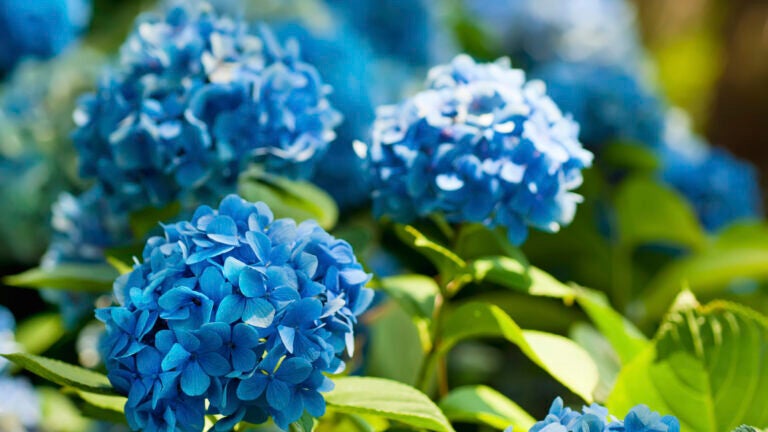
Super phosphate may actually help the Endless Summer hydrangea but the true magic ingredients for blooms on hydrangeas are the same as for most plants: at least six hours a day of sunlight and weekly watering.
What to do in the garden this week: Pull weeds before they go to seed. Do not compost weeds’ seeds or diseased leaves. Start transplanting perennials and woody plants you want to relocate. Deadhead, water, and remove disfigured foliage to keep the focus on fresh fall bloomers such as asters and dahlias, and not on plants that have already put on their show and are sagging with exhaustion. Pinch back the tops of tomato and Brussels sprout plants to hasten ripening. Seed fall crops of radish, arugula, spinach and mache. Now is the time to reseed and overseed straggly lawns. Read the bag and use grass seed dated 2017 that contains at least 50 percent fescues and bluegrasses, which grow well here. Rake in the grass seed so it is covered with soil in bare spots or rent a slice seeder for seeding large areas. Then keep the soil moist until the new grass sprouts.
Q. I have had my Endless Summer hydrangea for five years and the last three years have had little or no blooms. This season I had one beautiful blue bloom. The plant looks very healthy and gets three to four hours of sun in the afternoon. I have been advised to use super phosphate in the spring and fall and have done so, but still no progress. Is it time to toss this plant or move it to another location?
GERRY CODY, Randolph
A. Lots of people get frustrated with Endless Summer, the first blue hydrangea to bloom reliably as far north as the Boston area. It starts out strong because it’s been coddled by nursery workers and milder winters. But after you buy it, the blooms get shy for a while as the shrub gets used to New England winters. Eventually it will produce new flower buds in spring, which is a good thing because most colorful hydrangeas only produce their flower buds in the fall and those buds often die during cold winters. I would give it at least one more summer to show progress. Move it in early fall of 2018 to a sunnier location if it still fails to produce. Don’t prune it and don’t let lawn care companies use nonorganic high nitrogen lawn fertilizers nearby. Nitrogen migrates with water and will stimulate leaves at the expense of flowers. Super phosphate may actually help but the true magic ingredients for blooms on hydrangeas are the same as for most plants: at least six hours a day of sunlight and weekly watering.
Q. What’s going on with the Norway maples? The leaves are shedding daily with holes surrounded by brown rings. Is it a fungus?
JUDY FOLEY, Woburn
A. You’re right that it’s a fungus among us. Tar spot, as it’s called, is stimulated by unseasonably wet weather through July. It starts out as yellow spots in June that turn black as they enlarge, and cause premature leaf drop. Norway maples are particularly vulnerable. Though it looks ugly, tar spot is just a cosmetic nuisance that causes little or no harm. It’s definitely not worth spraying. Just rake up and dispose of the fallen leaves so the spores they contain leave your back yard. With luck and drier weather next year, it won’t come back.
Reader’s tip: How to protect blueberry bushes from birds? I use a patio umbrella screen on each tall bush, securing the bottom with a bungee cord around the base of the plant. There are many websites that these can be purchased from starting at around $20. They are reusable for several years until the weather gets the best of them.
G.P.F., Peabody
Send questions and comments, along with your name/initials and community to [email protected]. Subscribe to our newsletter at pages.email.bostonglobe.com/AddressSignUp.





To comment, please create a screen name in your profile
To comment, please verify your email address
Conversation
This discussion has ended. Please join elsewhere on Boston.com