
What is pH, and how does it affect plants?
Award-winning garden writer Carol Stocker also reveals her favorite dwarf dahlia and explains why.
What to do in this week: Plant tomatoes 2 inches deeper than they were growing in the pot so that part of the stem is buried. Rotate them so they are in a different location than last year. This reduces disease. Shade out lawn weeds organically by maintaining grass at 2½ inches. Leave clippings on the lawn as fertilizer, but don’t let them clump up. Pull weeds before they go to seed, especially white-flowered garlic mustard, which is spreading through the region. Direct-sow zinnia, bachelor’s button, parsley, and other tender seeds outdoors. Shop plant nurseries now for the best selection, particularly of vegetables and annuals. Don’t buy leggy plants.
Q. What is pH? Is it the same as nitrogen? Does it affect what fertilizer I should use?
GALE GATES, Ludlow
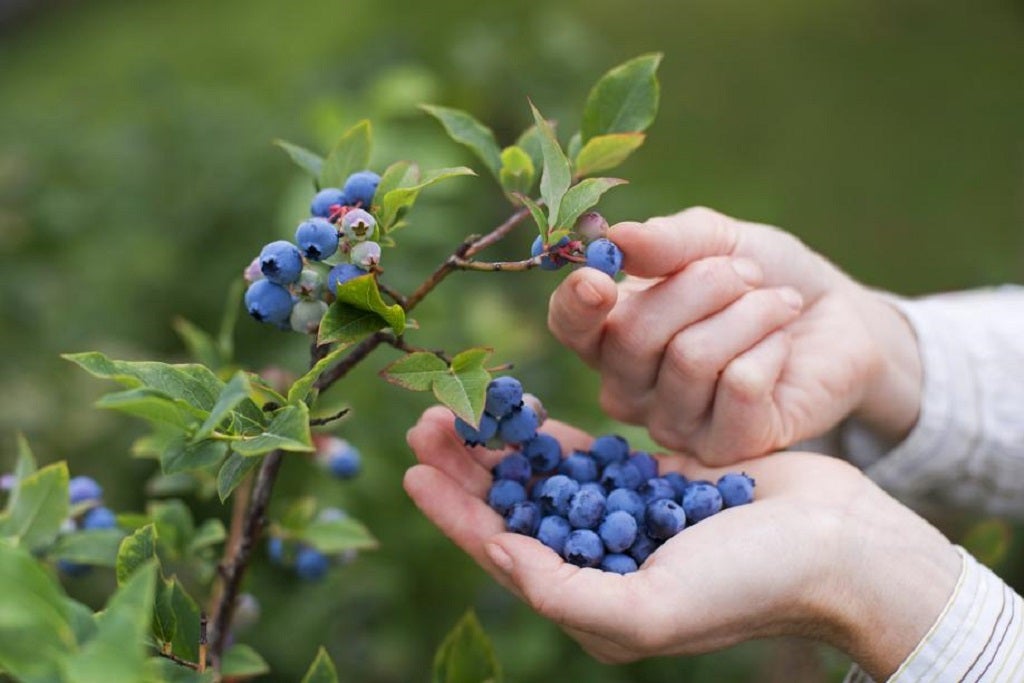
A. Well, pH is simply a measure of how alkaline or acidic your soil is. A pH range of 6 (slightly acidic) to 7.5 (slightly alkaline) is good for most plants. The wrong pH can prevent roots from uptaking nitrogen and other nutrients in the soil, so that’s why you are confusing it with nitrogen. Blueberries and azaleas like a lower (more acid) pH. There are special fertilizers formulated for such acid-loving plants, but otherwise, feel free to use whatever you choose. Adding compost around any plant tends to neutralize pH extremes, which is a good thing.
Every gardener should get their soil tested. To find out how, go to ag.umass.edu/services/soil-plant-nutrient-testing-laboratory or call the University of Massachusetts’s Soil and Plant Nutrient Testing Laboratory at 413-545-2311. A soil test will recommend types and quantities of soil amendments to use in your particular garden for optimal plant health. You say your neighbors already had their soil tested? The pH and nutrient profile in your yard could be totally different. For instance, some developers remove and sell topsoil when building on a site.
Q. It’s time to plant dahlias. What is your favorite short dahlia?
DENNIS FIORI, Concord
A. Low-growing and dwarf dahlias generally bloom much sooner after planting and have more, though smaller, flowers than giant dahlias. I have been quite smitten by Sunshine, a 2-foot-tall golden daisy with an orange heart that I first saw in a Long Island garden. And I’m not the only one, as this has been the number-one favorite dahlia in Great Britain. It has very dark fernlike foliage, which makes it attractive even before it blooms, and like most low-growing dahlias, it doesn’t require staking when in full sun. I’ve been wintering the tubers for years in my basement, and they are easy “keepers,’’ raring to grow when I replant them each June.
Events
A week of garden events at the Wakefield Estate (1465 Brush Hill Road in Milton) begins June 11 with the tour of local gardens to benefit the Garden Conservancy (10 a.m. to 4 p.m.) and concludes June 17 with the fifth annual Dogwood Days Garden Party. Call 617-333-0924 or visit www.wakefieldtrust.org for more information.
Send questions and comments, along with your name/initials and community to [email protected]. Subscribe to our newsletter at pages.email.bostonglobe.com/AddressSignUp.



To comment, please create a screen name in your profile
To comment, please verify your email address
Conversation
This discussion has ended. Please join elsewhere on Boston.com