
Ask the Gardener: When’s the best time to put down grass seed?
Award-winning garden writer Carol Stocker offers advice on lawn care and how to help your yard recover from last year’s drought.
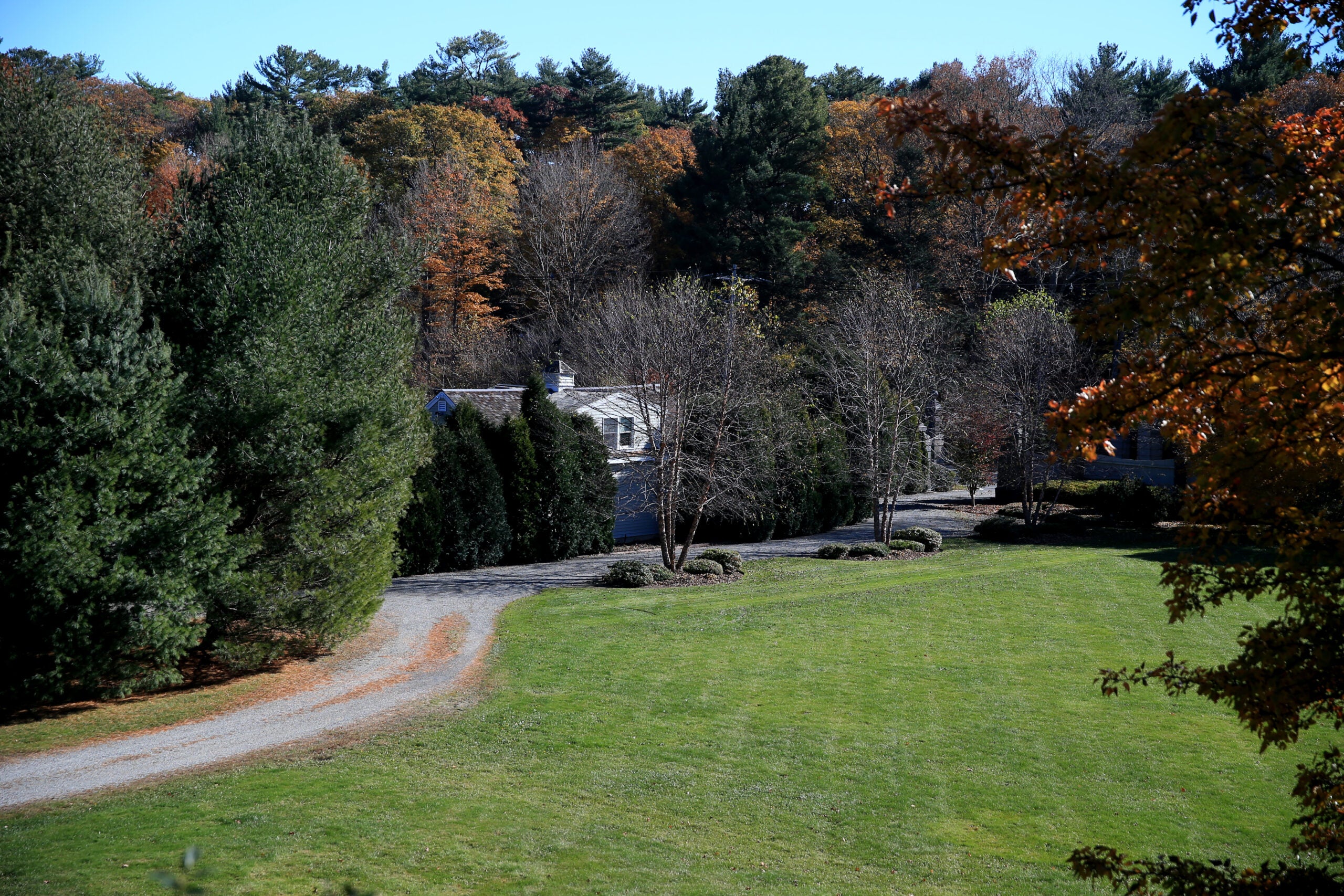
What to do this week: Memorial Day weekend is the traditional time to plant summer vegetables, herbs, annuals, and summer bulbs such as dahlias and begonias, so make room. Tulips are not reliably perennial, so consider yanking and discarding spent bulbs now to free up space for summer planting. You can always plant new tulip bulbs in October. Most other bulbs will repeat next spring. Continue harvesting lettuce, radishes, spinach, rhubarb, and other spring vegetables. Stake peonies with grow-through hoops and other perennials as they rapidly grow taller.
Q. Should I put down grass seed now or wait for warmer weather?
GAYLE H. EDSON, Wakefield
A. Don’t wait! Grass seed doesn’t like warm weather. The best months to sow are April, May, and September.
Q. Someone gave me a bouquet of lilacs. Will they grow roots if I keep them in water?
N.H., Walpole
A. A few woody plants such as forsythia and pussy willow can grow roots in a vase, so you can transplant those into a pot or outdoors. But most “woodies,’’ including lilac, will not. Soft-stemmed plants that root easily in water include begonia, impatiens, African violet, Swedish ivy, Christmas cactus, English ivy, philodendron, and coleus. It usually takes a month to start new plants this way and can be a good project for children.
Q. My yard suffered from last year’s drought. What can I do to help it recover?
NANCY GEYSER
A. Fortunately, ample spring rains have made up for last year’s dire shortfall. The severe 2016 drought triggered a gypsy moth outbreak, but that will probably wind down over the next 24 months, so don’t spray for these caterpillars unless you had them last year. Avoid artificial fertilizer; it can stress drought-affected plants. It’s like making someone eat a doughnut while they’re running a marathon. What plants need is water, not junk food. Because of pollution threats to waterways and drinking water, the state recently put restrictions on the use of artificial fertilizers containing more than tiny amounts (0.67 percent) of phosphate. That’s the middle of the three large numbers you find on fertilizer packaging. So forget the standard old 10-10-10 formulation. Phosphate in organic fertilizers and compost, however, is allowed because it does not contribute to runoff. Instead of fertilizing, water valued trees and woody plants, including roses, during the summer each week that the garden receives less than an inch of rain. Prune dead branches to where leaves have sprouted. If your plants look completely dead, check for new shoots sprouting from their roots, and cut the tops off to make room for them. Buying a yard of compost and raking it a quarter-inch deep over your lawn, where it will quickly sink in, will help grass recover and offer protection from drought by increasing soil and grass-root depth.
Send questions and comments, along with your name/initials and community to [email protected]. Subscribe to our newsletter at pages.email.bostonglobe.com/AddressSignUp.




To comment, please create a screen name in your profile
To comment, please verify your email address
Conversation
This discussion has ended. Please join elsewhere on Boston.com