
Leaf piles? Put them to good use
What to do this week: Rake leaves into 3-foot-high piles, and you will have weed-free compost in 15 months.
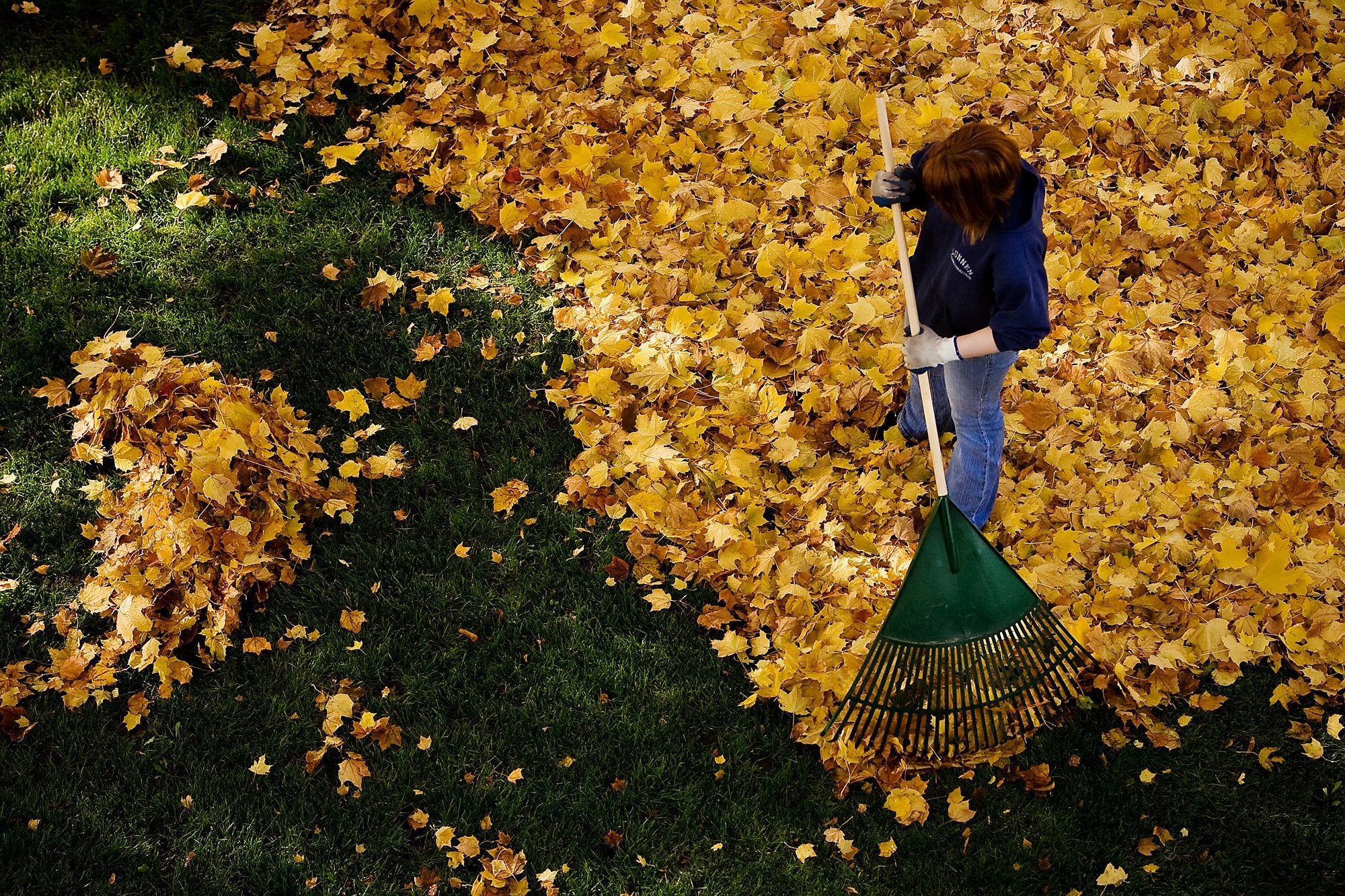
What to do this week: Rake leaves into 3-foot-high piles, and you will have weed-free compost in 15 months. You’ll have it sooner if you mow the leaves first to make them smaller and top the pile with a few shovels of rich garden soil to inoculate it with humus-soil critters and keep it from blowing.
Q. How should we prepare canna bulbs that are in the ground now for winter?
JUDY ALEXANDER, Lexington
A. A Victorian favorite, cannas have returned to popularity after being out of style for a century. Actually they stayed popular in the Deep South, where they are winter hardy, but they were too much work for northern gardeners because the tender rhizomes require winter storage here. Rapidly warming winters may be changing that. Many supposedly tender bulbs survived last winter in the ground, thanks to mostly mild weather. I was walking through my yard last summer and came across a 6-foot-high fuchsia dinnerplate dahlia in full bloom, unstaked and unaided by me. Surprise! I had not bothered to dig up the bulb last fall after a mediocre performance, but it was this year’s strongest, biggest dahlia, with a trunk as sturdy as a broomstick. Many cannas, gladiolus, and voodoo lilies I had neglected to lift last fall also sprouted this spring. So you could gamble on another mild winter and leave your cannas in the ground, covered with mulch. If winters continue to warm due to climate change, supposedly “tender bulbs’’ may become dependably winter hardy here in a few years.
But I think you should dig up a few of your favorites. Each rhizome will have grown large enough to be divided into multiple cannas, so you do not need to dig up them all. Cut the frost-blackened stalks back to 2 inches. Insert a long-handled garden fork about 8 inches from the stalk, pry the bulbs upward and out of the soil without spearing them, and shake off most of the soil. If they are hard to lift, rock the fork to loosen the soil and insert it again, but on the opposite side of the canna. You may have to work your way around it in a circle before it lifts out easily. If you don’t own a garden fork (and you should), use a shovel. Rinse the remaining soil from the rhizomes and then spread them somewhere indoors to dry for a week. I then store mine in labeled cardboard boxes in a dark basement that stays 50 to 70 degrees Fahrenheit. This works for many other nonhardy summer bulbs, such as dahlias. If the bulbs shrivel during winter, I mist them with water. I discard rotting or moldy bulbs. Some varieties store more successfully than others, so I expect some losses and wait until planting time in the spring to divide and multiply survivors.

I find it much easier to grow cannas in containers. I just move each pot directly into the basement, soil and all. No digging, washing, or drying required. I don’t water them until next April to wake them up for their new season, and then I wait for new foliage to sprout before I water again. I move the pots outside after all threat of spring frost has passed in late May. I also do this with eucomis pineapple lilies and some other tropical bulbs.
Q. Last summer many gardens in our area had tomato hornworms (yeck). Is there anything to do before winter to try to avoid them next year? Where do they come from anyway? In our more than 30 years of gardening, we’ve had them only twice.
A.M., Bennington, Vt.
A. In late spring, a large brown moth lays hornworm eggs on the underside of tomato foliage. They hatch in a week and feed for a month before cocooning in the soil to sleep until next spring. So if you rototill or dig and turn over your tomato garden soil this fall, you will expose those cocoons to cold over the winter, killing up to 90 percent of them. If you notice holes in June, look for surviving caterpillars under tomato leaves. They are easy to spot because they are big. They grow up to 5 inches long and are light green with black and white V-shaped stripes. You can crush them or drown them in soapy water. Do not remove any that are carrying parasitic wasp cocoons, which look like grains of white rice filed along their backs. You want these wasp predators to multiply and kill all the other tomato hornworms. You can encourage more wasps by planting dill, parsley, cilantro, fennel, carrots, basil, or marigolds next year and allowing some to flower.
Send your questions and comments to [email protected]. Please include your name/initials and community for publication.



To comment, please create a screen name in your profile
To comment, please verify your email address
Conversation
This discussion has ended. Please join elsewhere on Boston.com