
Restaurant in China Served Noodles with a Side of Opium
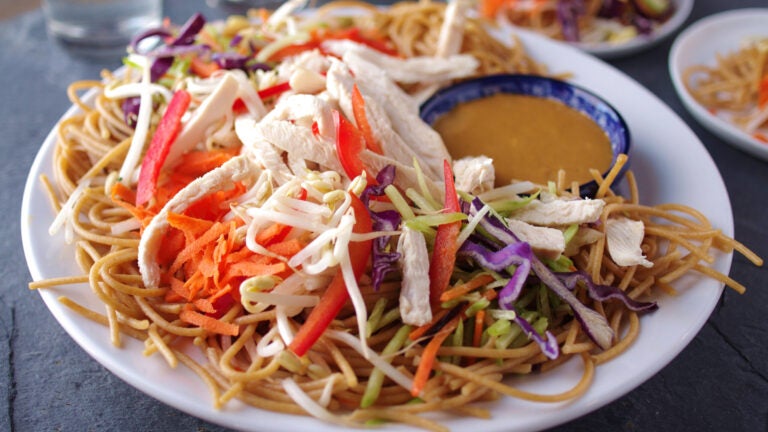
Health officials often warn against the addictive properties of MSG found in Chinese food, but one restaurant owner in China has allegedly upped the game—to opium. Zhang, the owner of a Yan’an noodle shop, allegedly admitted that he bought 2kg (4.4 lb) of crushed poppy buds and added them to his recipes to hook customers into a return trip.
This practice came to light when 26-year-old Liu Juyou was drug tested during a traffic stop, and, to his shock, tested positive for opium. Having never touched the drug, Juyou believed the noodles he’d ingested hours before may have been laced, reports the BBC. Juyou was held for 15 days, until family members came forward stating that they had eaten at the same restaurant and also tested positive. At that point, police launched an investigation. Zhang was detained for 10 days.
So does this mean that the rumor you once heard about a cousin’s friend’s coworker who failed a drug test after eating a poppy seed bagel (also explored in a classic Seinfeld episode) is true?
According to the U.S. Anti-Doping Agency, poppy seeds themselves do not contain the drug, but they do reside in the seed pod along with opium. The seeds are processed to remove excess opium, but this isn’t a foolproof method. So in some cases it is possible to exceed threshold levels of the substance, but it is difficult to predict just how many seeds you’d have to ingest before testing positive.
For the overly cautious, the best bet may be to switch from lemon poppy seed to a safe corn muffin. And to avoid a certain noodle restaurant in northern Shaanxii.




To comment, please create a screen name in your profile
To comment, please verify your email address
Conversation
This discussion has ended. Please join elsewhere on Boston.com