
‘I can’t take it anymore’
A courtroom suicide shows the court’s unpreparedness to deal with mentally ill defendants.
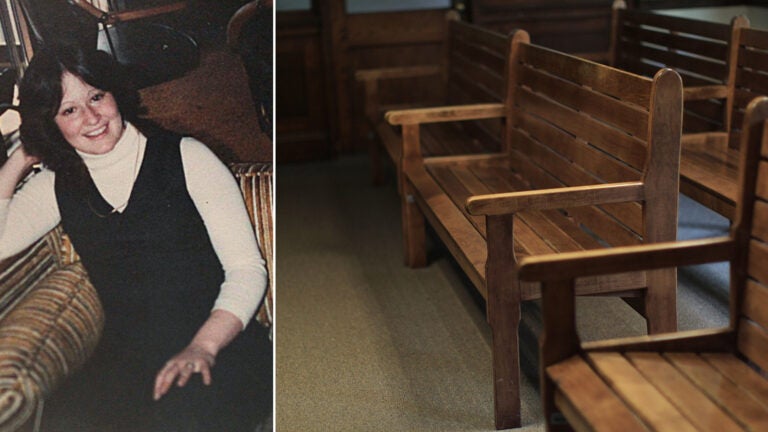
LOWELL — Debra Silvestri slipped into the women’s bathroom at the district courthouse, pulling a plastic bag full of sedatives and antidepressants from her purse. Her lawyer had just told her the judge was thinking of sending her to a women’s prison because a court-ordered test showed she had been drinking.
For more than a year, the 55-year-old mother of three had come nearly every week to the Lowell Drug Court, a requirement of her probation following a 2012 drunken driving arrest. It was supposed to be a compassionate alternative for addicts such as Silvestri, a place that steered them away from jail and toward treatment.
But Silvestri had other problems that made drug court painful for her. She had struggled for years with schizophrenia and bipolar disorder, once cutting her wrists and wandering the streets of Tewksbury, knocking on neighbors’ doors in the middle of the night.
Yet, court officials rarely asked Silvestri about her mental health. Instead, they focused on making sure she attended AA meetings, took random drug tests, and breathed into a machine that can detect alcohol use. Her life had turned into a succession of court-ordered deadlines that made her so anxious her hair had started falling out in clumps.
Read the complete story at BostonGlobe.com.
Don’t have a Globe subscription? Boston.com readers get a 2-week free trial.





To comment, please create a screen name in your profile
To comment, please verify your email address
Conversation
This discussion has ended. Please join elsewhere on Boston.com