
Reminder: Robots Are Changing Everything
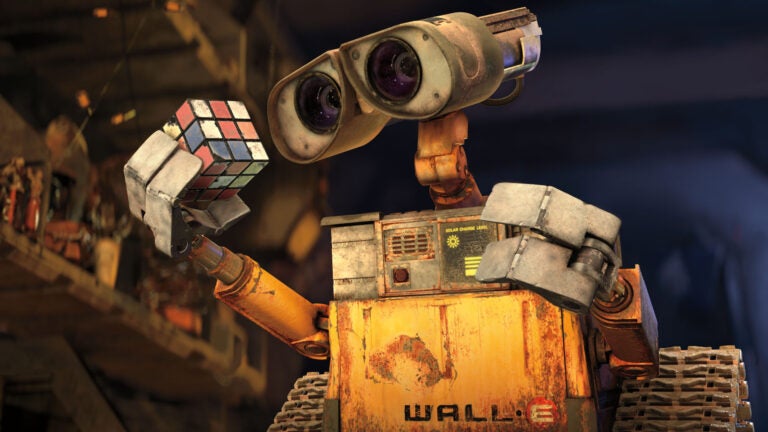
For this edition of your regular reminder that robots and technology are drastically changing the job market, let’s double dip.
First, there’s this Harvard Business Review article showing that American manufacturers are trading outsourcing practices for “bot-sourcing.’’ That means all those jobs that went overseas in the outsourcing boom could come back home—only they’re not really jobs coming back, just robots doing the work. Writes robotics analyst Colin Lewis, who identifies as optimistic about how robots will change the world:
[fragment number=0][fragment number=1]
[fragment number=2]
Aye, what was expensive is cheap again, especially without all those people. Still, the robot takeover of manufacturing does bring the side benefit of creating some new human jobs, Lewis writes. For example, a factory built in the U.S. will still need people to oversee and maintain all those bots, manage the day-to-day, and take care of things robots cannot. (Never mind for now that we already have robots capable of teaching other robots.) Plus, you generally need people to build a factory. A highly-automated factory could still create hundreds of jobs in the U.S., Lewis says, even if it’s coming at a cost on the other side of the world.
Stepping away from manufacturing and shooting over to retail, The Atlantic looks at how the forthcoming era of the Internet of Things—which would see pretty much every physical device connected to the Internet—could have a profound effect on the retail industry. The thinking goes beyond self-checkout lanes or calculating a tip on your waitress’s iPad. The Atlantic cites the National Retail Federation’s Stores magazine, which suggests that retailers could in the near future have technology installed on their products and in their doorways that make it possible for customers to leave with a product and automatically be charged for whatever they took. From Stores:
[fragment number=3]
[fragment number=4]
In this instance too, humans aren’t cut out of the process entirely. Companies still need people to manage stores and be on-hand to handle customer questions. It would presumably also need humans on-hand to make sure everything in that automatic payment system is working well. But on the balance, that sort of system would probably replace a good number of retail jobs unless companies think up new, and perhaps better, ways to use the people filling them.




To comment, please create a screen name in your profile
To comment, please verify your email address
Conversation
This discussion has ended. Please join elsewhere on Boston.com