
Sign up for the Today newsletter
Get everything you need to know to start your day, delivered right to your inbox every morning.
City councilors are calling on Boston police to update their policies for releasing body-worn camera footage — a push for greater transparency after a recent police shooting in Roxbury brought a rare manslaughter charge for a Boston officer.
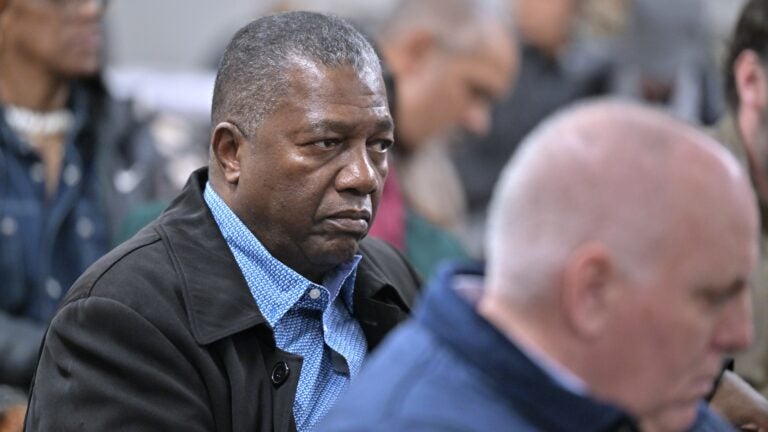
With Councilors Miniard Culpepper and Brian Worrell leading the charge, the City Council on Wednesday adopted a resolution encouraging the Boston Police Department to allow oversight officials “timely access” to bodycam and dashboard camera footage following police shootings, mass shootings, and other “major events.”
“Community policing only works when there is public trust,” Worrell argued. “And that trust is built with transparency.”
Culpepper likewise noted the resolution is meant to ensure elected officials and police oversight bodies have “appropriate access” to footage from serious incidents, “Not to interfere … not to litigate, but to ensure that information is grounded in fact and shared responsibility.”
The legislation passed with nine in favor and three opposed. Councilors John FitzGerald, Ed Flynn, and Erin Murphy voted against it, and Councilor Sharon Durkan voted “present.”
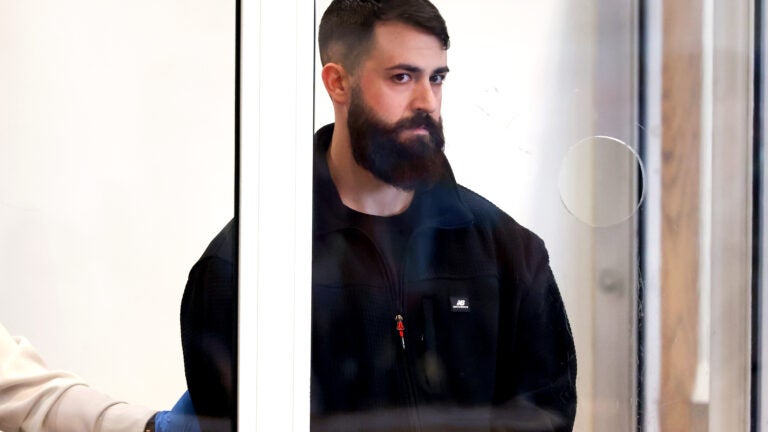
The vote comes just weeks after a Boston officer shot and killed a carjacking suspect, Stephenson King, in Roxbury on March 11. In a stunning move that drew both praise and condemnation, prosecutors later charged Officer Nicholas O’Malley with manslaughter as they alleged the killing was unjustified and unlawful.
O’Malley has pleaded not guilty, allegedly telling investigators he fired his weapon because he believed his partner was in danger. Prosecutors have said bodycam footage proves otherwise, but Suffolk District Attorney Kevin Hayden has declined to release the video to the public, citing the ongoing investigation.
Worrell and Culpepper have pushed for the video’s release, emphasizing transparency and accountability.
“Right now at the center of anger and confusion lay three families: the family of Mr. King, the family of Nicholas O’Malley, and the family of the victim of the carjacking,” Culpepper said Wednesday. “As a body, we have no greater mandate at this moment than to ensure the public, no matter where they land on tragic events that unfolded on March 11, get the answers that they are looking for.”
Some opponents expressed concerns with the resolution’s timing, given Culpepper and Worrell have also called for a hearing to examine Boston Police Department protocols governing the release of bodycam and dashcam footage. Their request has been referred to the council’s Committee on Public Safety and Criminal Justice.
Flynn, who has offered vocal support for O’Malley, questioned whether the resolution would have any bearing on collective bargaining agreements between the city and its police unions. He also suggested Commissioner Michael Cox and union leaders should be asked for their input if councilors are requesting changes to department protocol.
“This is about clarity, accountability, and trust,” Worrell explained. “The public is asking for clarity around the process and a clear timeline for the release of the bodycam footage. Because when people are met with silence instead of a process, trust breaks down.”
Added Culpepper: “The easy work is to split into our camps, to offer thoughts and prayers, to issue statements, and to fuel the court of public opinion.”
But the more difficult task ahead, he said, is to protect due process, foster community policing, recognize how the shooting has impacted the families involved, and call for transparency through the release of the bodycam footage.
“We’ve come too far in the city of Boston, and we’ve worked too hard to turn back now,” Culpepper said.
Other elected officials have joined the push for transparency around King’s shooting. U.S. Rep. Ayanna Pressley — a former Boston city councilor herself — argued King’s family should have access to the bodycam footage “to ensure a full, truthful account of the shooting, along with critical resources to support their healing.”
“While justice would mean Stephenson’s life was not taken in the first place, we must have transparency and accountability,” she said. “That means holding everyone involved to account.”

Get everything you need to know to start your day, delivered right to your inbox every morning.



Be civil. Be kind.
Read our full community guidelines.To comment, please create a screen name in your profile
To comment, please verify your email address