
Sign up for the Today newsletter
Get everything you need to know to start your day, delivered right to your inbox every morning.
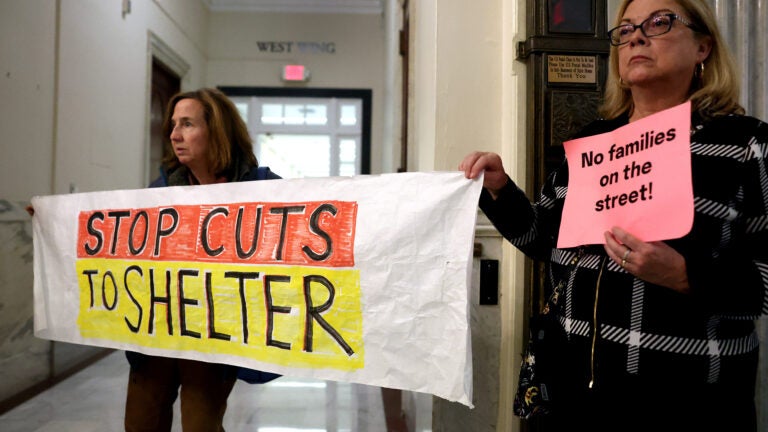
Governor Maura Healey is asking the state legislature to dramatically change the state’s unique right-to-shelter law as critics double down on safety concerns at shelters across Massachusetts.
Healey, a first-term Democrat, proposed a slew of changes to the law, which was passed in 1983 to guarantee emergency housing assistance for families and pregnant women. Right now, it’s overburdened by the “waves and waves of people” who have arrived in the state recently, Healey said last week.
The changes include a residency requirement for families and stronger criminal backgrounds checks, which is especially timely following Healey’s admittance that while she ordered full criminal backgrounds checks months ago, they were never done.
The residency requirements could effectively end the law as it’s currently applied, meaning newly arrived immigrants could be ineligible for beds.
A day before Healey’s State of the Commonwealth Address, the governor didn’t file the changes herself but asked leading lawmakers including Senate President Karen Spilka and House Speaker Ron Mariano to file the changes to be included in the Emergency Assistance Supplement Budget.
“I believe these changes are appropriate and needed to ensure the long-term sustainability of the state shelter system in a way that aligns with the original intent of the law,” Healey said in a statement. “These proposed changes will allow us to continue to ensure the safety of our system, support cities and towns in addressing the needs of unhoused families in their communities and put us on the path toward a more fiscally sustainable shelter system.”
Currently, anyone seeking shelter is presumptively assumed to be eligible, meaning applicants can be housed before producing the necessary documents, according to Healey’s office. Now, families will have to verify their identity, residency, and other eligibility criteria before placement, with waivers for domestic violence or natural disasters.
Her changes would require families to be residents of Massachusetts and to “show an intent to remain” in the state, through “independent documentary verification” or three months of physical presence in the state, her letter to lawmakers said.
Previously, residency was “proven solely through self-attestation,” according to Healey’s letter. Multiple advocates told The Boston Globe that the changes target immigrants.
“How would they show those requirements?” said Dieufort Fleurissaint, known as Pastor Keke, a leader in the Haitian American community. “I do not understand how they will be able to prove their intent” to stay in the state, for example, he told the Globe.
The changes would also codify the policy to conduct Massachusetts Criminal Offender Record Information checks, or CORI checks, prior to placement. Right now, the law “does not address criminal background checks.”
Healey’s handling of the shelter system has been under scrutiny after a man was accused of raping a 15-year-old girl at an emergency shelter housing migrants in Rockland and an undocumented immigrant was allegedly found with an assault rifle and fentanyl at a shelter in Revere in December.
Another change would require all individuals of a household to demonstrate their citizenship or legal residence status, compared to the current standard of one member, according to a letter Healey sent to lawmakers. A “rare exception” would be for households with a child who is a citizen or lawful permanent resident.
Healey also proposed adding a geographical limitation to eviction eligibility, meaning only people evicted from Massachusetts homes would be eligible for the shelter system.
Healey’s announcement came the day after the Massachusetts House and Senate Republicans held a meeting outlining their issues with the shelter system. Their amendments included limiting shelter stays, authorizing local police and courts to honor ICE detainers, and increasing transparency from the Healey administration.
Unlike Healey’s changes, the MassGOP wanted people to demonstrate “lawful presence” in the state for at least a year. They also wanted a six-month limit on all shelter stays, which Healey already proposed late last year.
In a statement, a spokesperson for Spilka said in part that she “has long recognized our moral responsibility to keep families in crisis off of our streets, and will work with her colleagues to review this proposal with the gravity that it deserves.”
Mariano didn’t return a request for comment Wednesday evening, but the Globe reported the state leaders didn’t commit to any changes.
Healey’s office didn’t return a request for comment regarding if and when the changes would affect people currently housed in the system.
Read Healey’s proposed changes here.
This article was updated to include a statement from Spilka’s spokesperson.

Get everything you need to know to start your day, delivered right to your inbox every morning.




To comment, please create a screen name in your profile
To comment, please verify your email address
Conversation
This discussion has ended. Please join elsewhere on Boston.com