
Newsletter Signup
Stay up to date on all the latest news from Boston.com
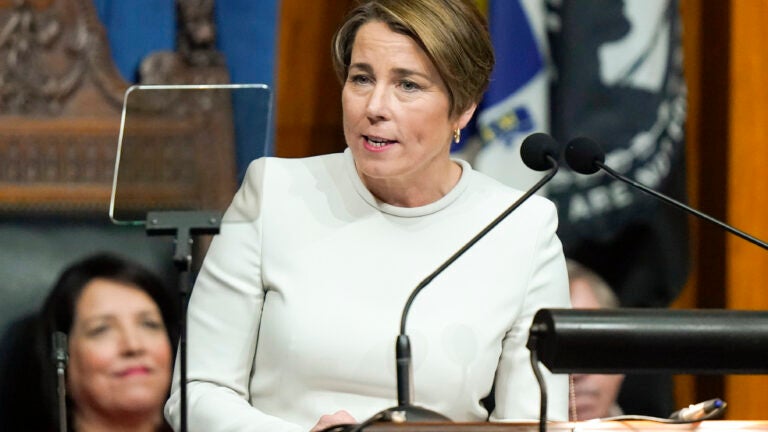
When Gov. Maura Healey filed the Municipal Empowerment Act, a bill that would give local governments more control over raising taxes on certain services, one of the more contentious parts of the bill was left out, at least for now.
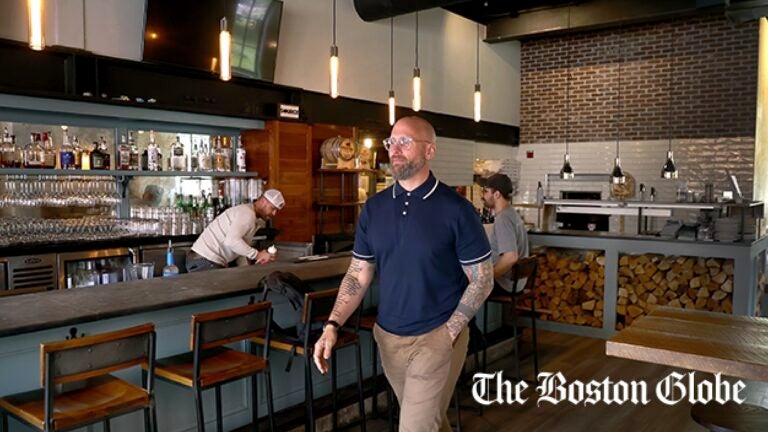
A part of the bill that would have given municipalities the freedom to decide their town’s own cap of liquor licenses was no longer in the proposal as of its Monday filing, despite Healey’s administration announcing it was part of the bill Friday.
Currently the number of liquor licenses in municipalities is capped by the state Legislature. According to state law, the cap is set for many municipalities based on population, except for Boston, where the quota has barely changed since the rules were set post-Prohibition.
In the last several years, officials in Boston have asked the state Legislature to increase the cap, arguing that the current cap has hurt business owners of color and Boston’s low-income neighborhoods. The quota has also meant that businesses can transfer their liquor license to another business for hundreds of thousands of dollars.
There was support from officials for local control over liquor licenses, including Boston officials and state lawmakers.
“Honestly, I never understood why the Legislature approves them to begin with,” said state Sen. Karen Spilka (D-Ashmont).
But even adjustments to the cap and state authority over liquor licenses have long been stymied, with both business leaders and some officials coming out against any changes to state law.
The Boston Globe reports that Healey’s administration shelved the proposal to get the “language right,” but it isn’t immediately clear when it might be filed.
The parts of the bill that stayed intact include multiple components that would give more control to municipalities to make decisions. The bill gives municipalities the option to increase their hotel, motel, and other rental tax from 6% to 7% (or half a percentage higher for Boston), and their meal tax from the set .75% to 1%.
The bill would also let cities and towns increase their motor vehicle excise tax by 5%.
Changes that came about during the COVID-19 pandemic, including hybrid town meetings, outdoor dining permits, and to-go cocktails, are now permanently allowed by state law.

Stay up to date on all the latest news from Boston.com




To comment, please create a screen name in your profile
To comment, please verify your email address
Conversation
This discussion has ended. Please join elsewhere on Boston.com