

Newsletter Signup
Stay up to date on all the latest news from Boston.com
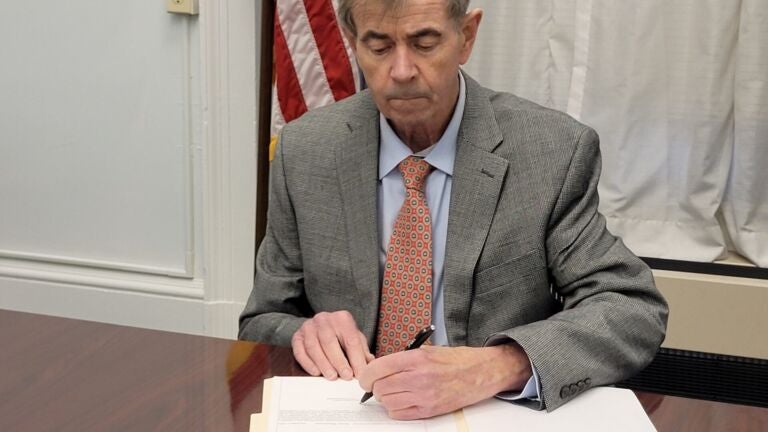
Massachusetts Sec. of State Bill Galvin certified Ballot Question 1, also known as the “millionaires tax,” as a constitutional amendment Thursday, but suggested some changes he believes the Legislature should make to the law.
Question 1 adds a 4% state surtax on income over $1 million. The law states that the money is to be used to improve state-run education and transportation. The current income tax rate in Massachusetts is a flat 5% for all income levels.
The biggest change Galvin is proposing is that the Legislature amend the law to exclude one-time gains from the sale of a homeowner’s primary residence as part of the “annual taxable income” impacted by the law, but only if the homeowner is elderly and income-limited.
In a news release, the secretary of state said he’s concerned for retirees who would be taxed on a one-time windfall from the sale of their most valuable asset.
Given that the new law goes into effect Jan. 1. 2023, Galvin said he thinks this could quickly discourage older homeowners from selling — a negative prospect given the ongoing inventory shortage in the Massachusetts housing market.
“Immediate action will be needed to assist elderly homeowners who may have been intending to sell their current primary residence in an effort to downsize and fund their retirement,” he said in the release.
Mass Budget, a think tank that supported Question 1, estimated that last year, just over 2,000 home sales would have met the law’s threshold for the extra tax. Still, it said, when combined with other income, it’s possible that additional taxpayers would have been impacted.
Galvin’s proposal would also lessen the law’s impact on some homeowners, which was a common criticism of the law. But The Boston Globe reported Thursday that experts have said that while this change is reasonable, few seniors would qualify for this exemption.
Galvin’s second proposal was that the Legislature establish an education trust fund to accompany the law. This would assure voters that the money from the new tax rate is guaranteed to go towards education.
As the law stands, it promises that some of the money levied through the new tax would go towards public education, but says this would be “subject to appropriation by the state Legislature.”
Galvin’s proposals amount to little more than suggestions at this point. He would need support from state legislators and incoming Gov. Maura Healey to get them enacted. The Globe reported that House and Senate leaders were non-committal in their statements on his proposals Thursday.
But, Galvin told the Globe, right now, the main goal is just to start a conversation about these issues.
Ballot Question 1 passed during the Nov. 8 election with 52% of voters approving the constitutional amendment, according to the Associated Press. According to Globe, the tax is expected to levy $1.2 to more than $2 billion per year.
Stay up to date on all the latest news from Boston.com




To comment, please create a screen name in your profile
To comment, please verify your email address
Conversation
This discussion has ended. Please join elsewhere on Boston.com