
Newsletter Signup
Stay up to date on all the latest news from Boston.com
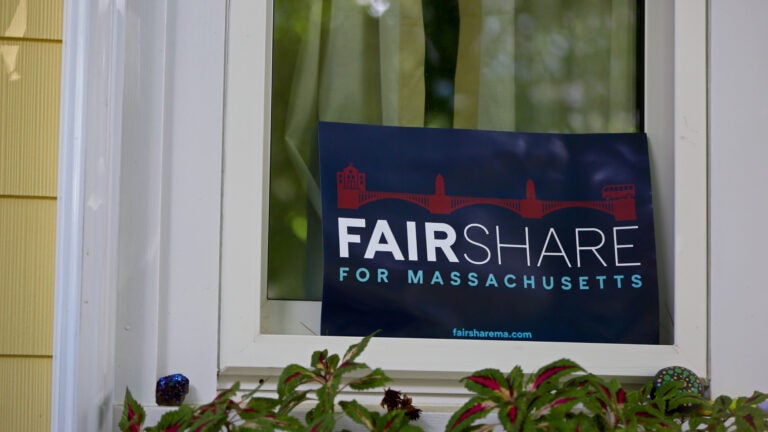
Following a race that dominated TV airwaves, Question 1 supporters celebrated victory as voters opted to levy an additional income tax on Massachusetts’ highest earners.
With about 92% of precincts reporting and 51.9% in favor, the Associated Press declared a win for the so-called “millionaires tax,” or Fair Share Amendment.
Fair Share for Massachusetts campaign manager Jeron Mariani called the amendment a “once-in-a-generation opportunity.”
“We’ve done what some thought was impossible: passed the Fair Share Amendment to create a permanently fairer tax system and deliver billions of dollars in new revenue for our public schools, colleges, roads, bridges, and transit systems,” he said in a statement Wednesday.
Question 1 proposed amending the state’s constitution to levy an additional 4% surtax on income over $1 million, to be put toward education and transportation. Massachusetts currently charges the same flat 5% tax rate for all income levels.
The new surtax won’t impact those making up to $1 million in income.
The ballot question drew support from prominent labor groups, as well as opposition from some of the state’s top business leaders.
Supporters argued that Question 1 was a chance to raise funds for improvements to public transit, transportation infrastructure, and public education by asking top earners to pay a little extra.
But opponents expressed concern that the surtax could impact small business owners and homeowners who sell their businesses or homes for more than $1 million. Critics also argued that while the surtax revenue will be dedicated to education and transportation, lawmakers could shift existing funds elsewhere and effectively negate any increase.
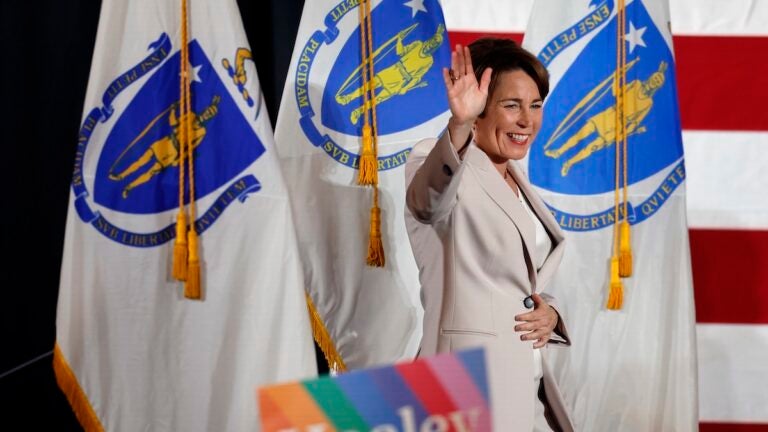
During an October interview with GBH, now Governor-elect Maura Healey said that she would veto any efforts on the part of the Legislature to divert the funds to anything other than education and transportation.
Mariani said the coalition of supporters will also stick together to ensure the money from Question 1 reaches public schools, roads, bridges, and transit systems.
“And we will not stop here,” he said. “We’ll keep working to build a Massachusetts economy that works well for everyone, not just those at the top.”
The amendment will kick in Jan. 1, 2023. From there, the $1 million threshold will be adjusted annually to reflect cost-of-living increases, ensuring the additional tax continues to apply only to the state’s highest earners.

Stay up to date on all the latest news from Boston.com





To comment, please create a screen name in your profile
To comment, please verify your email address
Conversation
This discussion has ended. Please join elsewhere on Boston.com