
This fake-news writer explains how campaign falsehoods work
"Nobody fact-checks anything anymore — I mean, that’s how Trump got elected."
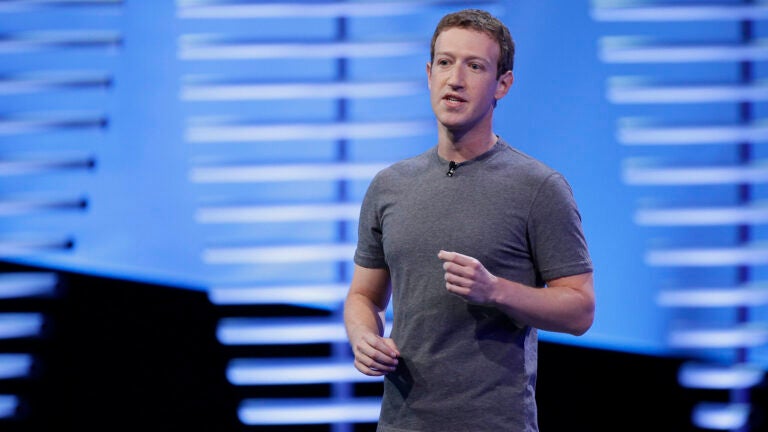
Paul Horner makes a living off publishing fake news articles intentionally designed to mislead audiences, especially on Facebook where viral hoaxes are particularly combustable.
In an interview Thursday with the Washington Post, Horner explained how the falsehoods he publishes gain steam online, and how he thinks his stories impacted the presidential election. The full Q&A is worth a read, but these two exchanges stick out as emblematic this election cycle:
When asked about why some fake news goes viral…
Honestly, people are definitely dumber. They just keep passing stuff around. Nobody fact-checks anything anymore — I mean, that’s how Trump got elected. He just said whatever he wanted, and people believed everything, and when the things he said turned out not to be true, people didn’t care because they’d already accepted it. It’s real scary. I’ve never seen anything like it.
Later, when asked if he thought fake news helped Trump get elected…
My sites were picked up by Trump supporters all the time. I think Trump is in the White House because of me. His followers don’t fact-check anything — they’ll post everything, believe anything. His campaign manager posted my story about a protester getting paid $3,500 as fact. Like, I made that up. I posted a fake ad on Craigslist.
Politifactrated 70 percent
of Trump statements they fact-checked as mostly false, false, or “Pants on Fire.” For Democratic presidential nominee Hillary Clinton, the number of false fact-checked statements were 26 percent.
The impact of false news on the presidential election has dominated an already crowded news cycle. On Wednesday, BuzzFeed News reported that the top 20 fake election news stories outperformed the top 20 actual news stories on Facebook, which has been criticized for its handling of fake news stories.
Facebook’s efforts to fight fake news were reportedly undercut by fears of conservative backlash, after former employees told Gizmodo last May that some news curators at the company allegedly suppressed conservative news. In a post following the election, Facebook co-founder Mark Zuckerberg said the vast majority of “content” people see on the social media platform is authentic, though he admitted there were updates to be made to Facebook’s news algorithm.
Read Horner’s full interview with the Post here, in which the writer criticized Trump supporters for not fact-checking, though he admitted it was personally good for his own business.




To comment, please create a screen name in your profile
To comment, please verify your email address
Conversation
This discussion has ended. Please join elsewhere on Boston.com