
Secrets in the sky
The United States remains an easy mark for drug dealers, terrorists, and others who prize anonymity when registering aircraft or getting licensed to fly. So much for the lessons of 9/11.
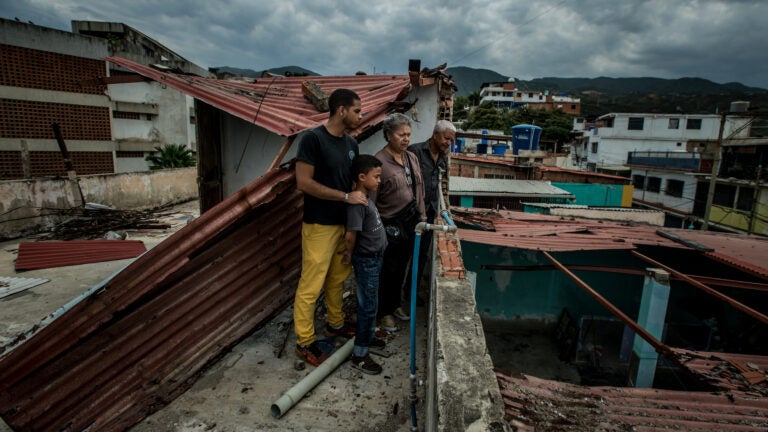
CATIA LA MAR, VENEZUELA — At first, he thought the thunderous boom overhead was the sound of an electric transformer exploding; his wife thought it might be an earthquake. But then Asnaldo Del Valle Gonzalez saw the blistering orange flames and suffocating black smoke billowing from his own home, and — inconceivably — an airplane embedded in his roof.
Related Links
Gonzalez sprinted inside the house where nine members of his family were that April morning in 2008. He found his baby grandson in his crib under a burning mosquito net, but the rising flame and smoke prevented him from rescuing everyone. Gonzalez heard his daughter screaming for help and saw fire enveloping his 6-year-old granddaughter.
The pilot of the plane, a twice-convicted drug trafficker traveling with a large amount of cash, had lost power just after taking off from nearby Simon Bolivar International Airport, spiraling down onto Gonzalez’s house. When the smoke cleared, Gonzalez’s twin daughters, two granddaughters, and all three people on the plane were dead.
Gonzalez had no idea where the plane had come from or why it had crashed. But amid the horrific scene, the registration number on the ruined aircraft — N6463L — held a clue: The plane was from the United States.
As he sought to unspool the story behind the tragedy, Gonzalez would come face to face with what he calls “the monster,’’ the web of secrecy that surrounds thousands of planes like the one that devastated his family, making it nearly impossible to identify a plane’s real owners and hold them accountable.
A Spotlight Team investigation has found that lax oversight by the Federal Aviation Administration, over decades, has made it easy for drug dealers, corrupt politicians, and even people with links to terrorism to register private planes and conceal their identities. With the US stamp of approval — signified by a number on the tail fin that always begins with the letter “N’’ — owners often find more freedom from scrutiny and anonymity while traveling. This has allowed criminals and foreign government officials to mask illicit activities or keep wealth hidden from their home countries.
Finish the story on BostonGlobe.com.
Don’t have a Globe subscription? Get a 2-week free trial.


