
The biggest threat to Trump’s Mar-a-Lago? Climate change
P
ALM BEACH, Fla. — In recent years, George and Izabela Buff have watched as more tides climb the sea walls, seep across the manicured greens, and creep toward the hedgerows, ever closer to their columned home.
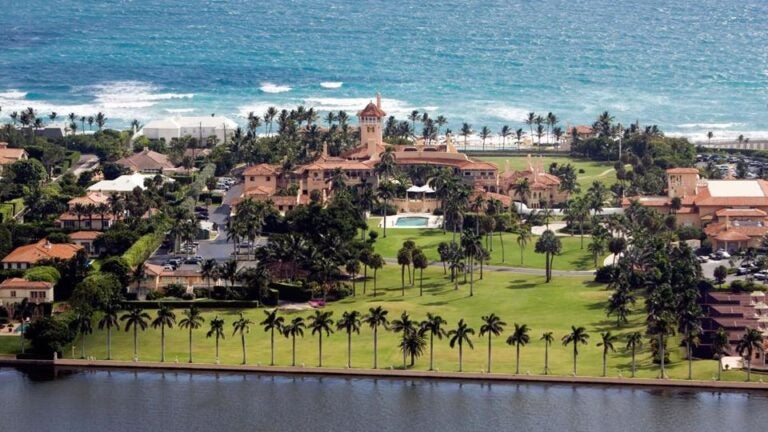
Few places are as vulnerable to the rising seas as this tony barrier island, a narrow, 16-mile strip of sprawling estates and pampered gardens between the Atlantic Ocean and Lake Worth. The advancing ocean has already cost residents here millions of dollars, and will probably exact a far greater toll in the years to come, town officials say.
An overwhelming majority of scientists attribute sea level rise to climate change, and they warn that the oceans could rise substantially in the coming decades. Yet the most influential of the island’s 8,100 residents — President-elect Donald Trump — has dismissed the threat of global warming, calling it “a hoax.”
Around Mar-a-Lago, Trump’s opulent estate here, rising sea levels are largely seen as a present danger, not a distant risk.
To defend themselves, residents have stationed powerful pumps around the island, required higher sea walls, commissioned vulnerability studies, and most recently, launched a $100 million project to reduce beach erosion.
Read the complete story at BostonGlobe.com.
Don’t have a Globe subscription? Boston.com readers get a 2-week free trial.




To comment, please create a screen name in your profile
To comment, please verify your email address
Conversation
This discussion has ended. Please join elsewhere on Boston.com