
Jurors in Freddie Gray case tell judge they are deadlocked
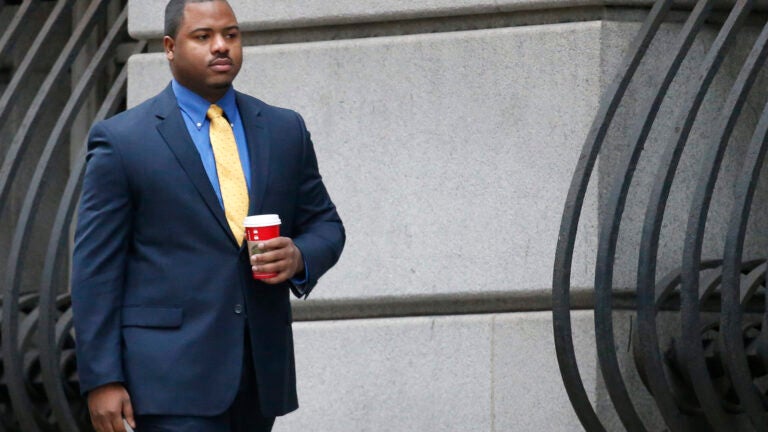
After about 10 hours of deliberations, jurors in the trial of Officer William G. Porter, on trial for manslaughter in the death of Freddie Gray, announced Tuesday that they were deadlocked, but the judge told them to continue deliberating.
“Your verdict must be unanimous,’’ Judge Barry G. Williams of the Baltimore City Circuit Court told the majority African-American jury of seven women and five men. Jury members sent the judge a note at about 3:30 p.m. notifying him that they could not reach a decision.
Since beginning deliberations at 2:30 p.m. Monday, jurors have repeatedly asked the judge a range of questions, substantive and otherwise. On Tuesday morning they asked for an easel, sticky notes and some water — and for the judge to give them the transcript of Porter’s interview with internal affairs investigators. Williams granted the first few requests, but he denied the request for the transcript, saying that only a videotape of the interview was in evidence.
Deadlocks do not immediately cause mistrials, but if the jury cannot reach a unanimous verdict after continued deliberation, a mistrial could eventually be declared. If that were to happen in the case of Porter, legal observers say it could affect the prosecution of at least some of the other five officers charged in the death of Gray. The first of those officers, Caesar R. Goodson, Jr., is set to go on trial on Jan. 6.
The state has indicated that it will want Porter to testify against at least some of the other officers — and his testimony may be critical to their cases. But if there is a pending case against Porter during another officer’s trial, prosecutors would most likely be unable to call him to the stand.
“If there is a mistrial as a result of the jurors’ inability to reach a unanimous decision, then Officer Porter would retain that Fifth Amendment right to refuse to testify,’’ said Warren S. Alperstein, a defense lawyer and a former prosecutor.



To comment, please create a screen name in your profile
To comment, please verify your email address
Conversation
This discussion has ended. Please join elsewhere on Boston.com