
Study shows more schools are serving healthier options
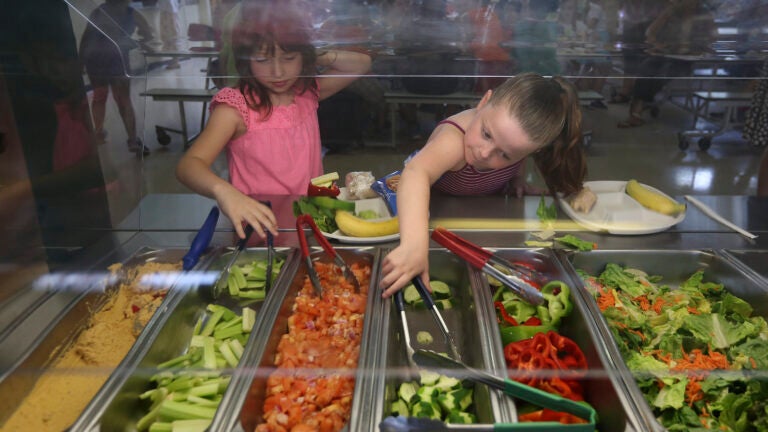
Schools are serving kids more than just chicken nuggets and tater tots, according to a study released Friday.
The Center for Disease Control and Prevention released data that showed almost all schools offered whole grains each day for breakfast (97.2 percent) and lunch (94.4 percent). Almost 80 percent of schools offered two or more vegetables, which is up almost 18 percent from 2000. Schools serving two or more fruits each day for lunch rose almost 10 percent from 2000.
Nationwide more than 90 percent of schools are meeting federal standards, which the U.S. Department of Agriculture updated in 2012 to include more healthy options for students.
The data focused on 2000, 2006, and 2014 surveys collected by the School Health Policies and Practices Study.
The National School Lunch Program, which follows these standards, provides subsidized meals to more than 30 million children every day, according to the Rudd Center for Food Policy and Obesity. Students consume almost half of their daily calories at school, often through the federal school meal program.
Not only are schools serving healthier food, kids are also eating it.
Despite concerns about increased food waste after the mandate to serve more fruits and vegetables (not commonly thought of as a crowd-pleaser to children), a March study found there was no increase in plate waste from 2012 to 2014.
PEW Charitable Trusts found that students ate on average 84 percent of their entrees in 2014, which is 13 percent more than they consumed in 2012. Though the proportion of children choosing a serving of vegetables dropped from 2012 to 2014, the students who did select a vegetable—more than half of the population—ate more of them and wasted less.







To comment, please create a screen name in your profile
To comment, please verify your email address
Conversation
This discussion has ended. Please join elsewhere on Boston.com