CommonWealth magazine will end its print edition
"The website was becoming more and more as a daily presence in our readers' lives,” the magazine's editor said.
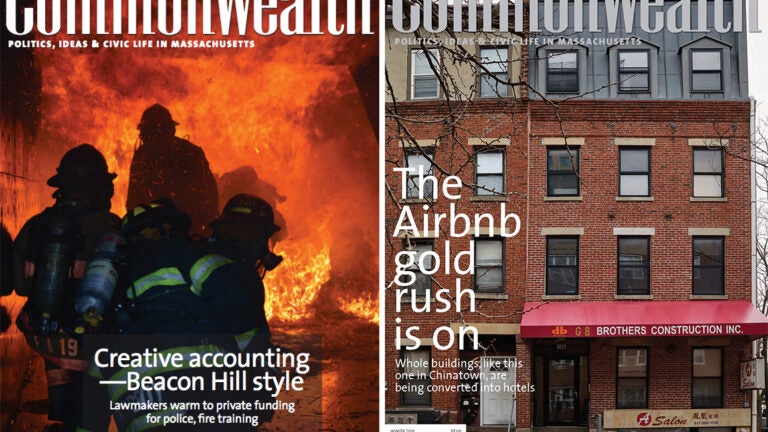
CommonWealth magazine’s 2018 summer edition will be its last in print, but the politics and ideas publication will live on in its digital form.The decision to halt the quarterly print production wasn’t an easy one, but with three reporters — who handle everything from writing stories to managing the website — and one part-time employee, the shift is necessary, Bruce Mohl, the publication’s editor, said Tuesday.“At one point, I was like ‘Oh my God, this is overwhelming,’ and it was pointed out to me that the website was taking more and more time and commitment,” Mohl said in a phone interview. “We’re small,” he continued. “We sort of have to do it all ourselves. That was kind of the impetus for the shift.”Mohl made the news public in an editor’s note, which also mentions plans for a redesigned website, hopes for expanding coverage, and the goal of increasing its staff size. The decision came after board members of the nonprofit Massachusetts Institute for a New Commonwealth, which has published the magazine for over two decades, staff members, and readers weighed in, Mohl wrote.A survey of over 1,000 readers showed 63 percent of CommonWealth print subscribers said they would continue to read the magazine should it end its print edition, he wrote. About 10 percent of readers read only the print edition.
“Our conversations with readers also highlighted our role in the local news food chain,” Mohl wrote. “We aren’t the place readers generally go for breaking news or leaks from political insiders. But we are the go-to place for insightful analysis, coverage of events and people beyond Boston, and for policy debates.”
Options such as printing a smaller magazine or limiting publication schedules were considered, but ultimately Mohl, a veteran journalist who helped launch the magazine’s website nine years ago, decided his team’s efforts should be refocused online.
“My hope is that [readers] won’t be too upset by the shift,” he said. “But we’re a quarterly, and the website was becoming more and more as a daily presence in our readers’ lives.”
In his note, Mohl said that the end of the print edition does not signal a change in the stories reporters cover. Readers can still expect to find long-form journalism online, he wrote, adding that the magazine hopes to hire more staff members and grow its coverage.
“… the world is changing. Even I, old geezer that I am, have stopped reading print versions of most publications,” Mohl wrote. “In the long run, it’s just easier and more environmentally sound to go online.”