
Sign up for the Today newsletter
Get everything you need to know to start your day, delivered right to your inbox every morning.
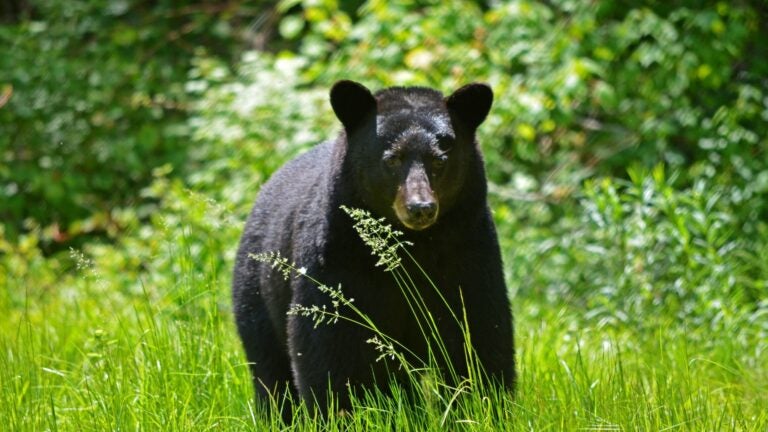
In response to a rise in bear encounters, the White Mountain National Forest in New Hampshire and Maine announced a new year-round food storage requirement for overnight visitors.
Beginning May 1, overnight visitors in the Pemigewasset Wilderness must store food, trash, and scented items — like soap and toothpaste — in a cylindrical, hard-sided, resistant canister certified by the International Grizzly Bear Committee, according to a statement from the U.S. Forest Service.
Failure to comply could result in fines, the agency said.
Other food storage methods will no longer be allowed, as they have proven less effective than canisters, according to the Forest Service. However, visitors may still use bear-resistant food boxes available at the Thirteen Falls Tent Site.
The Forest Service said it also offers a free canister loan program at several locations in New Hampshire, including Lincoln Woods Trailhead Cabin, Pemigewasset Ranger Station, Saco Ranger Station, and Androscoggin Ranger Station.
According to the agency, bear incidents in the Pemigewasset Wilderness area have risen sharply in recent years, largely due to improperly stored food. The new requirement is intended to reduce human-bear interactions by eliminating easy access to food, Forest Service officials said.
The increase in encounters comes as the wilderness area has grown in popularity among visitors, according to the Forest Service. As visitation rises, bears are increasingly associating humans with food, leading to more frequent and potentially dangerous encounters, officials said.
The Forest Service warned in 2024 about an uptick in bear activity, noting that food-conditioned bears have followed campers, begged for food, and in some cases damaged tents and backpacks in search of meals.
In 2025, nearly all reported bear incidents in the national park occurred in the Pemigewasset Ranger District, with more than half within the Pemi Wilderness, according to the agency. Officials temporarily closed the Franconia Brook Tentsite that year due to what they described as the “escalating behavior of a food habituated black bear.”
“The Forest Service remains committed to providing safe, high quality and reliable recreation opportunities while protecting wildlife,” the agency said in its statement. “Visitor cooperation plays a crucial role in keeping wildlife wild and ensuring we can provide safe and reliable access to outdoor experiences.”
Get everything you need to know to start your day, delivered right to your inbox every morning.




Be civil. Be kind.
Read our full community guidelines.To comment, please create a screen name in your profile
To comment, please verify your email address