
Sign up for the Today newsletter
Get everything you need to know to start your day, delivered right to your inbox every morning.
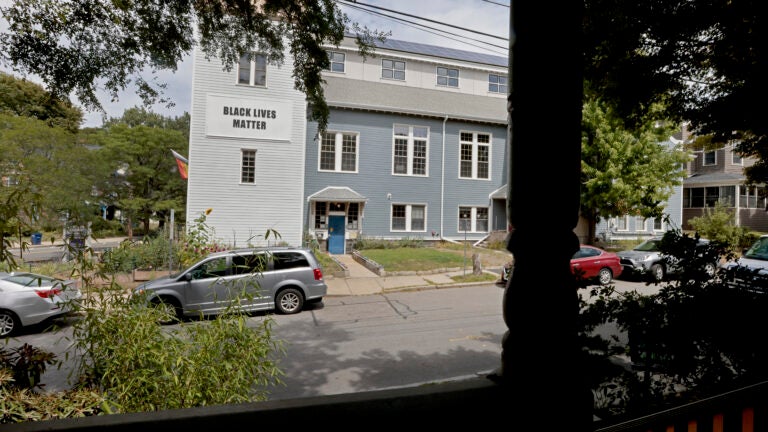
A Land Court judge has ruled that First Church Somerville was within its rights to build a 26-bed homeless shelter in its basement, siding with the Davis Square congregation’s contention that creating the space was something “God was calling First Church” to do.
Judge Diane R. Rubin found that the project is protected under the Dover Amendment, which lets religious institutions bypass local zoning when construction serves a religious purpose.
In a 53-page decision, the judge wrote that the church grounded its decision in “spiritual reflection” and scripture that calls on believers to shelter the unhoused and welcome strangers.
Unless neighbors who opposed the shelter appeal the ruling, the facility, which the Somerville Homeless Coalition will run, will open.
“First Church Somerville is glad to have this decision and have this part of the journey be completed and start planning to welcome people to the shelter,” Rev. Jenn Macy told Boston.com on Wednesday.
Macy said the church will give neighbors a 30-day notice before the move takes place, but they hope to open its doors soon.
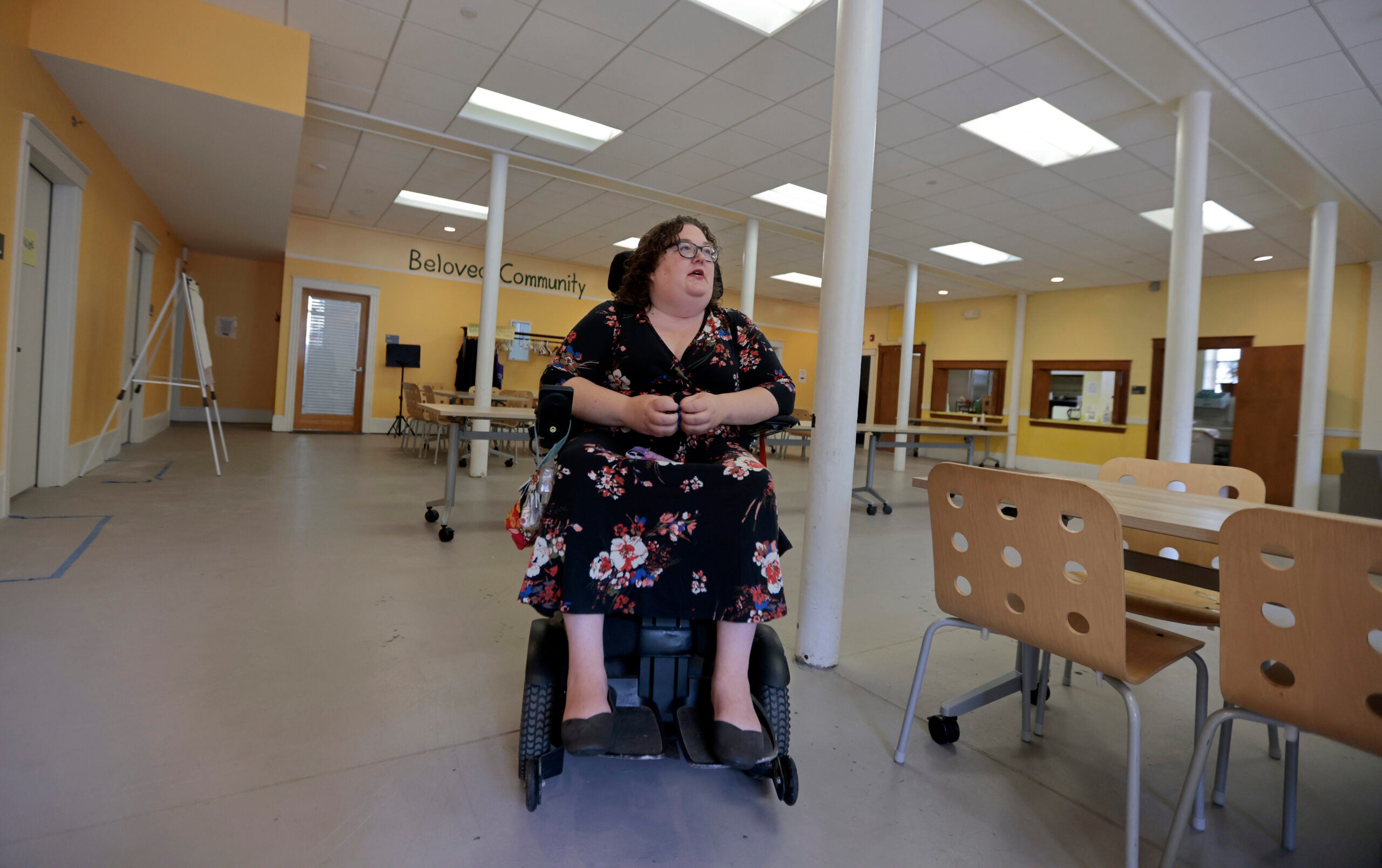
In 2024, the Somerville Homeless Coalition and the First Congregational Church of Somerville agreed to move the shelter to a renovated space at 89 College Ave.
Somerville’s building department approved the renovation permit on June 13, 2024, finding the shelter was an accessory church use protected by the Dover Amendment and didn’t need a special permit. Neighbors appealed, but the Zoning Board of Appeals upheld the decision.
On Sept. 6, 2024, two neighbors filed a case in Land Court, challenging the board’s ruling.
The court’s ruling to uphold the decision comes after Davis Square has seen an increase in the number of unhoused people in recent years.
According to the coalition’s annual survey of homelessness, as stated in court documents, the number of homeless people in Somerville has quadrupled from January 2023 to January 2024, increasing from nine people to about 35 to 40 people.
The noticeable change has sparked outrage amongst residents and business owners alike.
“We agree with Somerville Homeless Coalition that giving people more services and access to care makes our community safer,” said Macy.
After holding three community meetings before the issue went to court, the church and coalition agreed to set up a staffed hotline and other ways for neighbors to communicate any concerns to them.
“When all of our neighbors, housed and unhoused, are all considered equally, that’s when we will thrive as a community,” Macy added.
According to court documents, the Somerville Homeless Coalition has operated a homeless shelter at 64 College Ave. for four decades. The coalition said the space is outdated, cramped, and not accessible to people with disabilities.
The coalition said that the existing shelter, which hosts 16 guests, runs seven days a week from 4 p.m. to 8 a.m., and routinely has a waiting list. The average stay for a guest is about nine months.
While guests may not bring illegal drugs or drug paraphernalia into the shelter, it is subject to the state’s requirements for being “low-barrier,” which means that it cannot deny entry to an applicant for having a history of drug addiction, mental health conditions, or prior convictions, even if they are a registered sex offender.
Both the neighbors who filed the complaint, Maren Chiu and Jane Becker, testified that they were opposed to the shelter because of its “low-barrier” status, saying they worried it would make their neighborhood less safe and add to the drug use in the area.
The attorney for the two neighbors, Michael Rabieh, did not immediately respond to a request for comment.
However, he told The Boston Globe that they are weighing whether to appeal.
In a statement sent to the Globe, the neighbors said they were “disappointed” by the ruling.
“From the day the shelter was announced, neighbors have sought open dialogue with the church and the Somerville Homeless Coalition to explore how to balance their mission with the reasonable safety and quality-of-life concerns of the community,” the statement sent to the Globe read. “We hope that such a dialogue may now prove fruitful in the wake of this ruling.”

Get everything you need to know to start your day, delivered right to your inbox every morning.



Be civil. Be kind.
Read our full community guidelines.To comment, please create a screen name in your profile
To comment, please verify your email address