
Sign up for the Today newsletter
Get everything you need to know to start your day, delivered right to your inbox every morning.
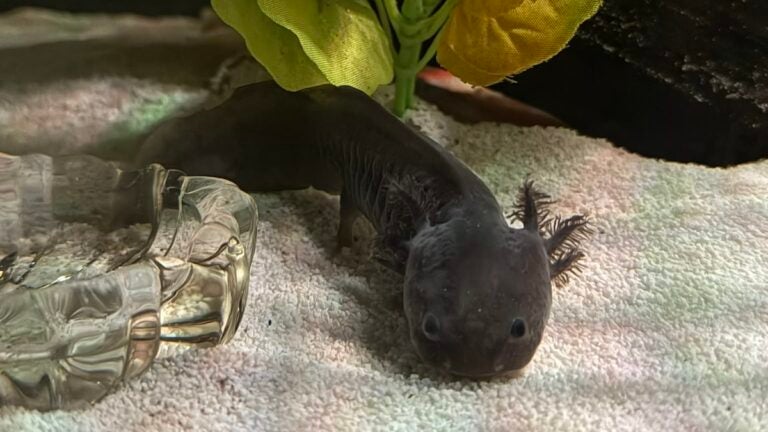
A local nonprofit that works with fosters all around New England is looking for help supporting the rehabilitation of 16 axolotls — with missing limbs and bacterial infections — surrendered from an overcrowding situation.
Libertyland Axolotl Rescue, which describes itself as the country’s only nonprofit devoted solely to axolotls, recently took in the group of the unique Mexican salamanders, all named for cheese. Colby, Monterey, Mozzarella, Ricotta, and Romano are all up for adoption, while three others, including Burrata, have already found homes.
“Several of them went straight to our vet for veterinary care. The rest were dispersed among our experienced fosters for different levels of rehabilitation,” said Cora Hanlin, the nonprofit’s secretary and adoptions coordinator.
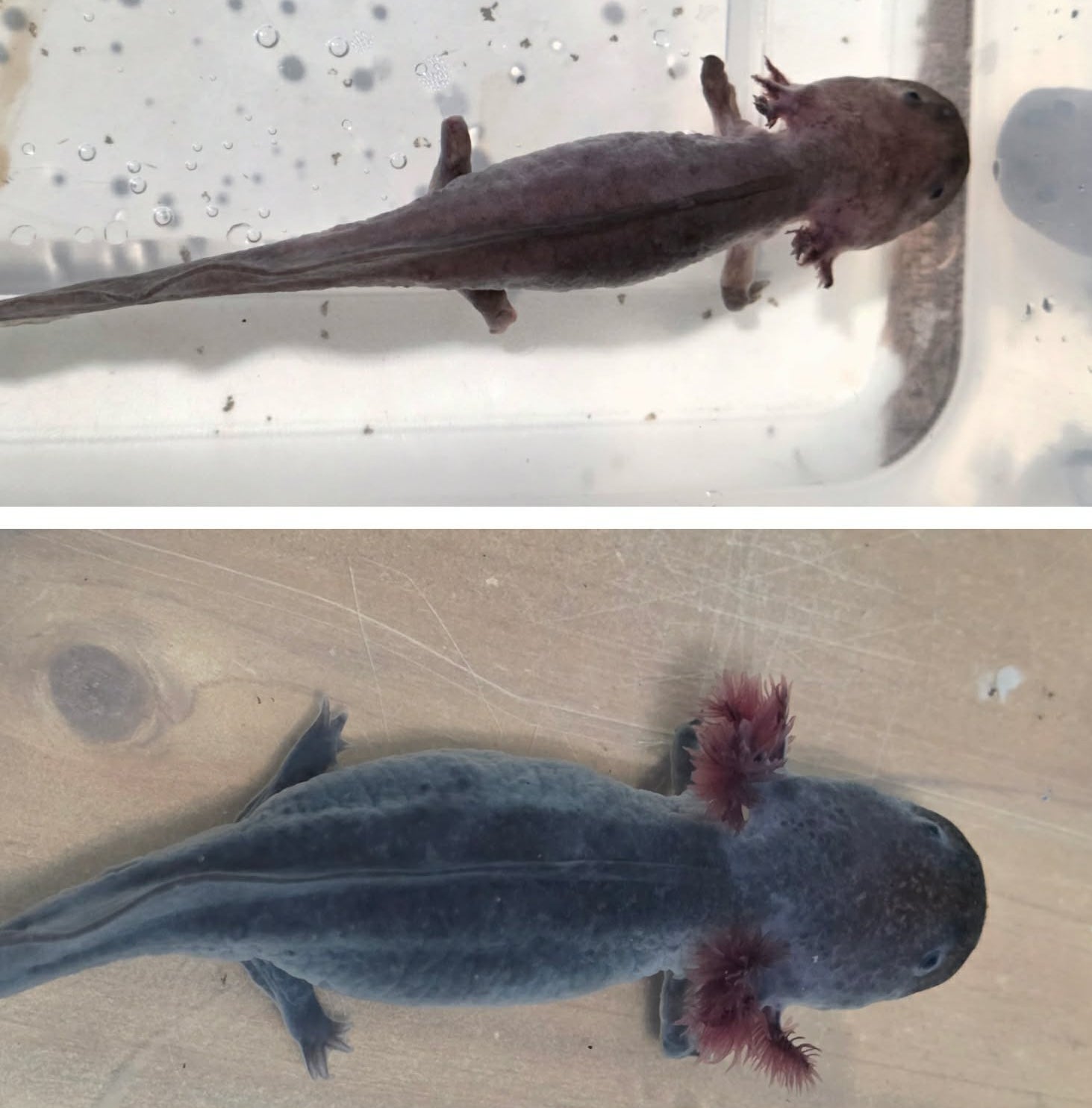
Axolotls have a unique ability to regenerate limbs and organs, and the cheesily-named axolotls are restoring their limbs and recovering well, Hanlin said.
Images showed the axolotls’ progress from late January to March, their gills and paws regrowing. Monterey, pictured, “is a big boy in a small body,” his adoption page said.
The rescue, formed in July of 2024, focuses on education, rehabilitation, and adoption through a network of experienced foster parents. The group has given presentations at schools, clubs, and daycare centers and has worked with pet stores to provide care information and direct potential adopters to the nonprofit.
In 2025, Libertyland President Paige MacGregor said, the group took in more than 100 adult axolotls and rehomed almost all of them.
“We have very good rates when it comes to rehabilitation and placement,” MacGregor said. “We’re trying to prevent some of these situations that we see on a regular basis that would honestly not happen if people had the information that they actually needed to take care of these animals properly.”
The organization mostly takes in two to three axolotls at the time, but the 16 “cheese babes,” as volunteers have nicknamed the bunch, came from a pet owner who surrendered another dozen or so axolotls last year.
Axolotls lay 300 to a thousand eggs per clutch, and the survival rate in capacity is high, the nonprofit leaders told Boston.com, leading to overcrowded situations. In Massachusetts, you don’t need any special permits to care for an axolotl.
“We could definitely see that the ones that she had had declined since we had taken in the others,” MacGregor said, prompting the large influx. “We actually did try to take in the ones that looked like they were in the greatest need just to give them a better shot.”
The group is looking to raise a few thousand dollars to cover expensive exotic pet vet care, like x-rays, and supplies for long-term stays with fosters as the axolotls regrow their limbs. Anyone interested in fostering, donating, buying materials from the rescue’s Amazon wishlist, or adopting can follow these links.

Get everything you need to know to start your day, delivered right to your inbox every morning.



Be civil. Be kind.
Read our full community guidelines.To comment, please create a screen name in your profile
To comment, please verify your email address