
Sign up for the Today newsletter
Get everything you need to know to start your day, delivered right to your inbox every morning.
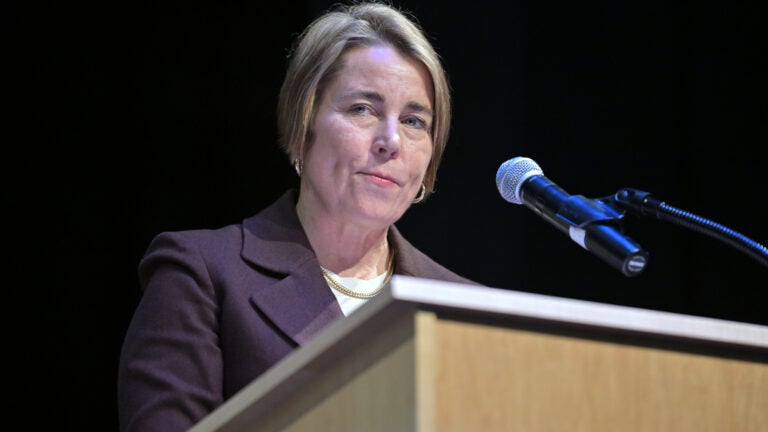
After federal agents gained access to a Columbia University building by reportedly lying about a search for a missing child, Massachusetts officials are issuing guidance to students and faculty about their right to refuse entry to ICE agents that do not have a valid judicial warrant.
Last Thursday morning, DHS agents entered an off-campus Columbia residential building without a warrant of any kind, according to Claire Shipman, the university’s acting president. In order to get into the building, they reportedly said that they were police searching for a missing child. The agents showed pictures of the alleged missing child to people inside the building as they made their way to their true destination: the apartment of Elmina Aghayeva, a student from Azerbaijan.
“Once inside the apartment, it became clear they had misrepresented themselves. A public safety officer arrived, asked multiple times for a warrant, which was not produced, and asked for time to call his boss, which was not given,” Shipman said in a video message to the Columbia community. “This was a frightening and fast-moving situation and utterly unacceptable for our students and staff.”
Aghayeva was released later in the day after New York City Mayor Zohran Mamdani shared his concerns about the incident with President Donald Trump.
Gov. Maura Healey and Attorney General Andrea Campbell, who have been vocal in their opposition to the Trump administration’s immigration policies, issued a joint press release Monday responding to Aghayeva’s arrest.
“When ICE agents enter private campus housing without a judge-signed warrant, that’s not law enforcement — that’s rogue behavior. The law requires a judicial warrant, and people have the right to demand to see it,” Campbell said in a statement. “My office is actively in contact with colleges and universities, providing guidance and direct support to help them understand their rights and protect their students, faculty, and staff.”
The guidance being issued by Campbell’s office applies to educational institutions of all varieties, both public and private. They are being encouraged to designate areas that are closed to the public, and to post signage indicating that said areas are inaccessible to the public.
Healey and Campbell are also working on updated guidance for schools that will include “recommendations for interacting with federal immigration officers” that is expected to be released soon, they said.
Healey signed an executive order in January directing members of her administration to work with colleges and universities on developing guidelines like these. The order barred ICE from making arrests in non-public areas of state buildings and from using state property to stage immigration enforcement operations.
The executive order was part of a larger announcement that included Healey detailing new legislation that would prevent ICE officers from operating in schools, places of worship, and hospitals.
“It’s outrageous that ICE agents lied in order to get into a residential building and arrest a Columbia student — but that’s par for the course for these untrained federal agents who are doing President Trump’s bidding and making us all less safe,” Healey said in a statement. “We want to make sure that students and staff at universities across Massachusetts know their rights. ICE does not have a right to enter any private facilities, including dorms, without a judicial warrant – and you have the right to demand one.”
The officials publicized a “know your rights” guide that Campbell’s office created in the wake of the Trump administration’s mass deportation campaign. It includes information on the legal complexities of ICE arrests and how residents can respond to enforcement operations. Other guides tailored specifically for health care providers, K-12 schools, and more are available online.
Get everything you need to know to start your day, delivered right to your inbox every morning.



To comment, please create a screen name in your profile
To comment, please verify your email address
Conversation
This discussion has ended. Please join elsewhere on Boston.com