
Extra News Alerts
Get breaking updates as they happen.
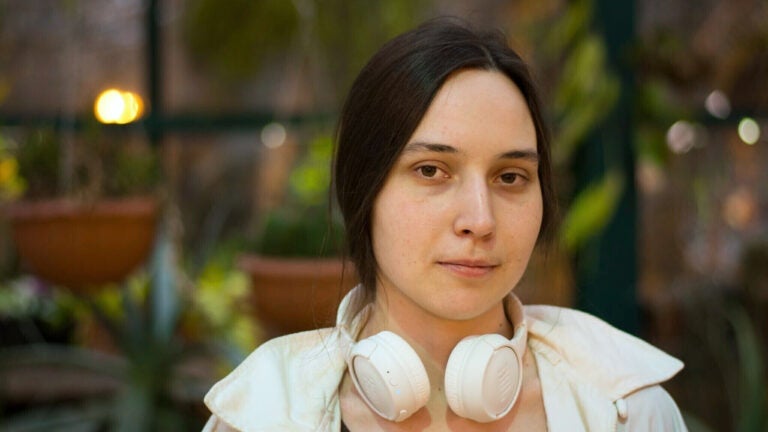
BOSTON (AP) — A judge released a Russian-born scientist and Harvard University researcher charged with smuggling frog embryos into the United States on bail Thursday.
Kseniia Petrova, 30, has been in federal custody since February.
Petrova was returning from a vacation in France, where she had stopped at a lab specializing in splicing superfine sections of frog embryos and obtained a package of samples for research. She was later questioned about the samples while passing through a U.S. Customs and Border Protection checkpoint at Boston Logan International Airport.
She told The Associated Press in an interview in April that she did not realize the items needed to be declared and was not trying to sneak anything into the country. After an interrogation, Petrova was told her visa was being canceled.
Petrova was briefly detained by immigration officials in Vermont, where she filed a petition seeking her release. She was later sent to a U.S. Immigration and Customs Enforcement facility in Louisiana.
The Department of Homeland Security had said in a statement on the social media platform X that Petrova was detained after “lying to federal officers about carrying substances into the country.” They allege that messages on her phone “revealed she planned to smuggle the materials through customs without declaring them.”
In May, Petrova was charged with smuggling in Massachusetts as a federal judge in Vermont set the hearing date on her petition. That judge later ruled that the immigration officers’ actions were unlawful, that Petrova didn’t present a danger, and that the embryos were nonliving, nonhazardous and “posed a threat to no one.”
The judge released Petrova from ICE custody, but she remains in the custody of the U.S. Marshals Service on the smuggling charge.
Colleagues and academics have testified on Petrova’s behalf, saying she is doing valuable research to advance cures for cancer.
Get breaking updates as they happen.





To comment, please create a screen name in your profile
To comment, please verify your email address
Conversation
This discussion has ended. Please join elsewhere on Boston.com