
Sign up for the Today newsletter
Get everything you need to know to start your day, delivered right to your inbox every morning.
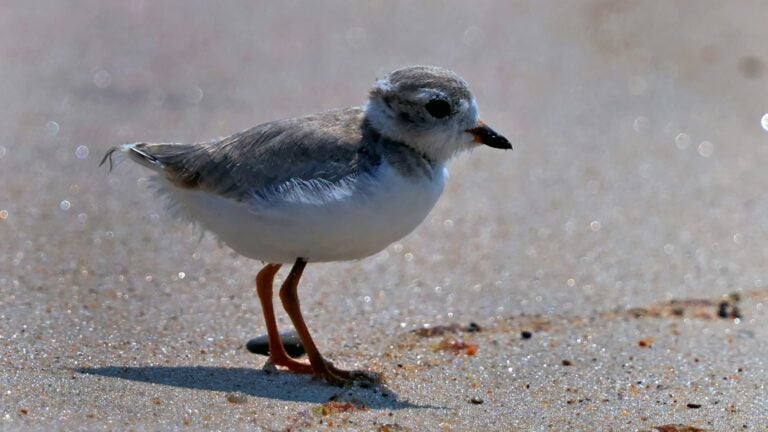
Though it’s still early for beachgoers to break out their towels and umbrellas, the state’s most iconic and adorable coastal bird is already staking out its spot in the sand.
Piping plovers are settling into their nesting season in Massachusetts, prompting wildlife officials to block off sections of beaches. The protected areas shelter the birds from human disturbance, allowing them to raise their young.
The nesting zones are marked by signs warning the public of the protected area, and ropes often block off the site. Encroaching into a piping plover-protected area in Massachusetts could result in fines and jail time under the federal Endangered Species Act (ESA) and state trespassing laws.
The piping plover is still listed as a threatened species on the state and federal endangered species lists. But according to the Mass Audubon, the birds are making a recovery in Massachusetts thanks to protection efforts.
Nesting typically begins in Massachusetts between March and April, according to Mass Wildlife. Most piping plovers return to the same nesting and wintering spots each year.
Massachusetts has the largest breeding population of the birds along the Atlantic coast, with 1,196 nesting pairs counted in 2024, according to Mass Audubon. That figure is a 1.5 percent increase over 2023 and a 500 percent increase since protection efforts began in 1986.

Get everything you need to know to start your day, delivered right to your inbox every morning.





To comment, please create a screen name in your profile
To comment, please verify your email address
Conversation
This discussion has ended. Please join elsewhere on Boston.com