
Sign up for the Today newsletter
Get everything you need to know to start your day, delivered right to your inbox every morning.
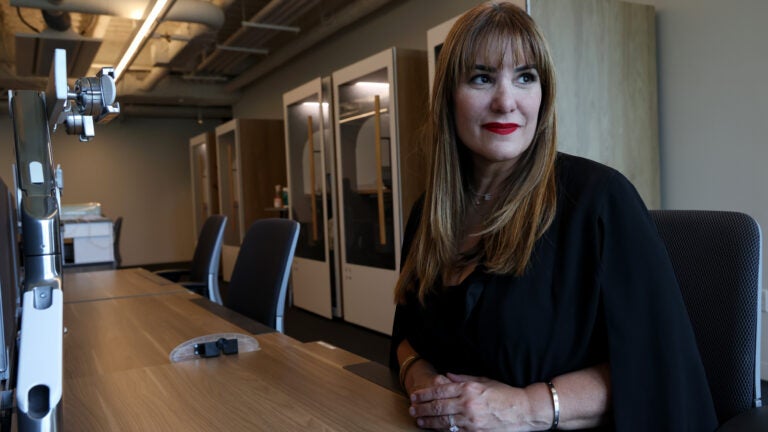
A new report finds that Massachusetts’ economic growth over the past decade has been powered in large part by its Hispanic and Latino residents, who make up just 13.5% of the population but contributed a striking 26%—or $30 billion—to the state’s GDP between 2014 and 2023.
“Imagine the economic potential if we invested more,” Eneida Roman, president and chief executive of We Are ALX, said.
The April report, “¡Vamos Massachusetts!,” was prepared by the Massachusetts Taxpayers Foundation with support from We Are ALX.
The goal was to show people what the economic contributions of the Hispanic and Latino population were in Massachusetts over the last decade.
“We know that gaps exist in terms of wage gap and housing or education, but while all that is true, there’s been a significant amount of progress and growth,” said Pablo Suarez, the report’s author.
Hispanics and Latinos now make up a larger share of the state’s population and economy and are expected to keep growing. Since 2014, the Hispanic and Latino population has grown by 30% and accounted for 60% of new jobs.
Hispanics and Latinos have made significant progress in increasing educational attainment, as well as growing household income and homeownership rates.
Hispanics and Latinos also have an “outsized entrepreneurial spirit.” The data shows that small business growth among the population was 23%, compared to 1% of the state’s overall small business growth.
“It’s almost like a silent reality that Latinos are here and are contributing,” said Roman.
She added, “There’s only room for improvement.”
Despite significant progress, gaps persist and, in some cases, have grown, costing the state economic productivity and revenue.
For example, college graduation gaps cost the state $174 million in annual wages, and there is a $11 billion wage gap between Hispanics and Latinos and the overall state population.
“We know we have the keys, and we know what we need to do,” Suarez said.
The keys to closing the gaps, Suarez says, are related to educational success for K-12 Hispanic and Latino students, boosting college persistence, supporting workforce training in critical and emerging sectors, and making access to capital easier for business growth.
Suarez says policymakers need to make sure it translates to the workforce. Three sectors critical to the state include clean energy, life sciences, and pharmaceuticals, which are expected to require over 140,000 jobs over the next decade. Suarez said engaging this population in those sectors will be critical in ensuring the state’s overall wealth.
One person described the Latino community to Roman as “the secret sauce” for filling the new jobs needed in the state.
“Massachusetts is sitting on a massive untapped economic engine,” said Roman.
While the feedback has been positive for the progress made by the Hispanic Latino community, Suarez says there is still concern over the gaps that persist.
“But it’s a call to action,” Suarez said. “It should inspire people.”

Get everything you need to know to start your day, delivered right to your inbox every morning.




To comment, please create a screen name in your profile
To comment, please verify your email address
Conversation
This discussion has ended. Please join elsewhere on Boston.com