
Sign up for the Today newsletter
Get everything you need to know to start your day, delivered right to your inbox every morning.
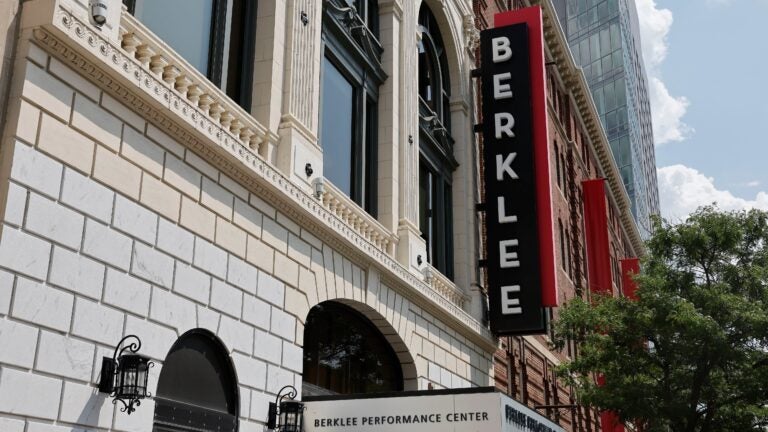
The number of student visas the Department of State is terminating continues to rise in the region, with three students at Berklee and one at Emerson being the most recent targets.
In a statement on Monday, Emerson College President Jay Bernhardt said the school learned that the Department of State had revoked an international student’s status in the Student and Exchange Visitor Information System (SEVIS).
Bernhardt said the school had no reason to believe that the Department of State targeted the student for “protest-related activity.”
He added that the school is working closely with the affected student.
Similarly, a spokesperson for the Berklee College of Music said the federal government revoked the visas of three students, stripping them of their student status.
The spokesperson said the federal government did not explain the terminations or notify the school in advance.
The revocations have also affected students at Northeastern, Harvard, UMass Amherst, UMass Boston, and Tufts. They are part of a national trend, with many professional associations monitoring the situation and seeking clarification from the federal government.
The American Council on Education says that messages sent to international students and scholars revoking their student visas and requesting self-deportation do not provide information on how to appeal the decision or confirm that the department made no mistakes.
The council said that over 1 million international students attend U.S. colleges and universities, yielding an estimated $43.8 billion nationwide economic impact.
Boston University also confirmed to The Boston Globe that some students had their visas revoked, but did not say how many. The university did not immediately respond for additional comment on Tuesday.
On Friday, BU issued a statement saying, “Historically, the US Department of State would only revoke a student visa if a student were arrested or convicted of a crime in the United States.”
But now, the school said it appears that the federal government is relying on other sources of information, such as U.S. immigration history and social media activity, to revoke the visas of students who allegedly participated in student activism or pose a threat to U.S. foreign policy or national security.
Previously, the federal government would notify the visa holder directly of the revocation, not the school.
However, in the past few days, the school started seeing a new pattern of U.S. Immigration and Customs Enforcement (ICE) terminating student records in SEVIS without notice.
In response, the school is now routinely reviewing SEVIS and alerting impacted BU students.

Get everything you need to know to start your day, delivered right to your inbox every morning.



To comment, please create a screen name in your profile
To comment, please verify your email address
Conversation
This discussion has ended. Please join elsewhere on Boston.com