
Sign up for the Today newsletter
Get everything you need to know to start your day, delivered right to your inbox every morning.
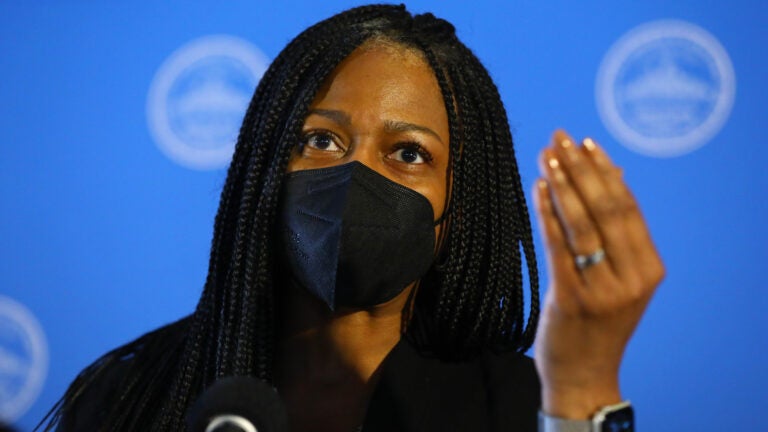
Influenza has run rampant this winter both nationwide and in Boston, but numbers are leveling out here, according to Dr. Bisola Ojikutu, executive director of the city’s Public Health Commission.
The concentration of influenza virus in Boston wastewater, monitored at 10 testing sites across the city, has been rising since early December. Among 18-44 year olds, 45-64 year olds, and those in the 65+ age range in Boston, the number of confirmed cases of flu this season so far are higher than they were for the entirety of the previous two flu seasons. Flu prevalence among children under 5 and between 5 and 17, however, is down from its peak during the 2022-23 flu season.

Ojikutu said Wednesday that the number of cases in Boston is now decreasing from its high point earlier this month. There were 543 flu cases last week compared with 1087 flu cases the first week of February, and 7% of recent emergency department visits were for flu-like symptoms, down from 12% at the beginning of February.
“It seems like we’ve turned a bit of a corner,” Ojikutu said.
Even so, she advised residents to get vaccinated if they haven’t already, noting that she expects to see flu cases into April and possibly May. The best way to prevent the flu, and keep symptoms in check if you do get it, is to get vaccinated, Ojikutu said.
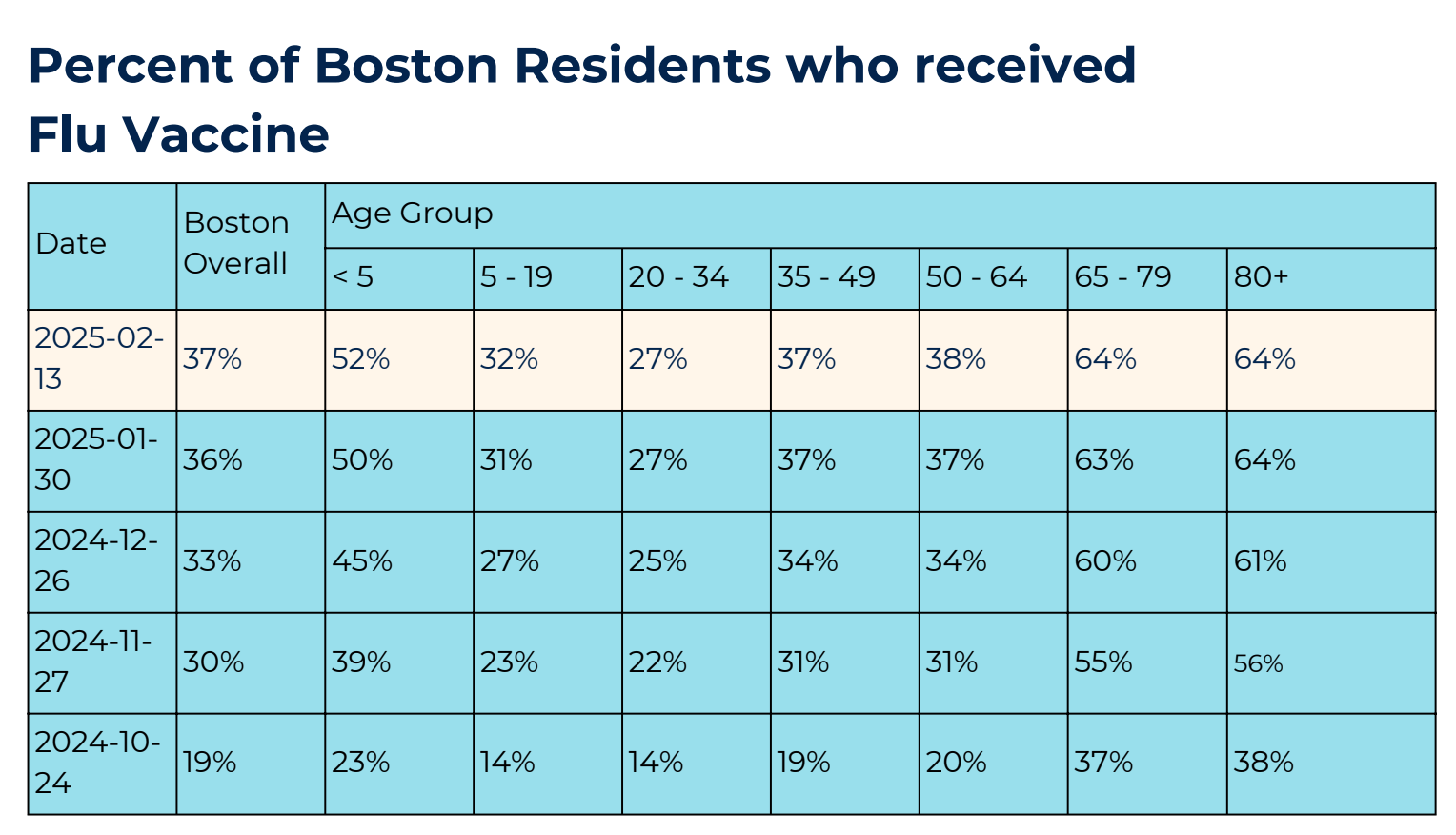
As of Feb. 13, only 37% of Boston residents had received the flu vaccine, with the lowest prevalence among the 20-34 age group and the highest prevalence in 65-79 and 80+ age groups.
Boston offers flu and Covid-19 vaccination clinics around the city. Getting vaccinated is free and doesn’t require health insurance or identification.
“Everyone ages six months and older should be vaccinated for influenza and for Covid-19,” Ojikutu said, highlighting the increased risk for those who are 60 and older, have chronic health problems, or are pregnant, as well as young children.
Though it’s unclear what has caused such a surge in flu cases this year, Ojikutu said part of the problem is that people don’t take it as seriously as they should. The main concern with the flu is that it could turn into pneumonia, which Ojikutu described as “very dangerous,” or combine with an existing condition, creating a more serious situation.
“We’re seeing people get sicker with the flu,” Ojikutu said.
The number of emergency department visits for flu-like symptoms so far this year is higher than the last two flu seasons. They’re also happening later this year.

This year, 191 Massachusetts residents have died from the flu, including an active Boston Police detective.
“I think it’s been a struggle for our hospitals to deal with,” Ojikutu said, reporting increased wait times in emergency departments. She advised residents to only use emergency departments in emergencies, but to remain vigilant about symptoms and seek care — ideally early on, through a primary care physician or urgent care facility — as needed.
“We need to be very mindful of worsening respiratory illness,” Ojikutu said.
Get everything you need to know to start your day, delivered right to your inbox every morning.





To comment, please create a screen name in your profile
To comment, please verify your email address
Conversation
This discussion has ended. Please join elsewhere on Boston.com