
Sign up for the Today newsletter
Get everything you need to know to start your day, delivered right to your inbox every morning.
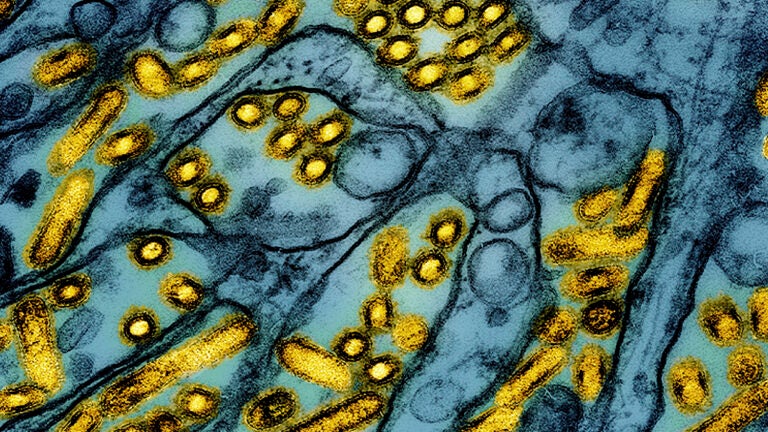
Wildlife officials in Plymouth have received more reports of dead birds suspected of being infected with avian influenza, or HPAI.
Plymouth town officials said Friday that MassWildlife collected deceased birds at Cordage Park. Officials also received reports of over 30 dead birds at Long Beach, where Animal Control was working with state officials to remove them.
The announcement came a week after 60 birds were pulled from the Billington Sea area. Those birds, which included Canadian geese, ducks, and swans, were also suspected of being sick with bird flu.
“The Town, in collaboration with state officials, continues removing deceased birds and wildlife. With only one U.S. lab able to confirm cases, test results are still pending,” Plymouth officials wrote in an X post Friday night.
Between Jan. 18 and Jan. 31, wildlife officials removed 151 deceased animals across the state, with 52 discovered in Plymouth.
“Avian flu is commonly spread through bird migration, and it is not uncommon to have it appear within multiple locations within the same municipality,” said Plymouth’s Public Health Director, Karen Keane.
According to the Centers for Disease Control (CDC), bird flu is causing outbreaks in wild birds and poultry, other animals, and “sporadic human cases.” Symptoms in humans include eye redness, respiratory issues, and fever, with most cases being in people who had known exposure to sick or infected animals.
Health officials said people should take safety precautions by keeping all domestic animals away from deceased birds or other wildlife. Residents who are raising chickens need to take some additional safety measures, as well.
“All backyard poultry should be corralled for the foreseeable future and not let to roam free range,” officials said. “Residents who have poultry should always use protective gear when dealing with their flock (feeding, shoveling feces, etc.) and should wash their hands well with soap and warm water after handling.”
Finally, people should avoid touching deceased wildlife and instead contact local or state authorities.
Plymouth residents who discover a dead animal, either domestic or wild, should report it to the town’s Health and Human Services Public Health Division by calling 508-322-3339 and to the Animal Control Office by calling 508-888-1186.

Get everything you need to know to start your day, delivered right to your inbox every morning.



To comment, please create a screen name in your profile
To comment, please verify your email address
Conversation
This discussion has ended. Please join elsewhere on Boston.com