
Sign up for the Today newsletter
Get everything you need to know to start your day, delivered right to your inbox every morning.
Laurie Ann Carlson has been working in the Massachusetts community college system for 13 years.
When Carlson first started teaching, she had to borrow money to afford to pay her rent.
“I figured things would eventually get better once I worked myself up to becoming a full professor, but it’s only gotten worse,” Carlson said in a statement.
When her twins were born five years ago, money got even tighter.
Carlson said she teaches at least one extra course a semester at North Shore Community College while working as an adjunct at two other colleges.
She also works during the summer.
“In order to be able to support my kids, I’m working so much that there is often not enough time to enjoy them,” Carlson said. “If something doesn’t change soon, I will need to leave the Massachusetts Community College system.”
Meanwhile, the system is seeing big increases in the student population, attributed in part to MassEducate — the state’s new free community college program. So where’s the disconnect?
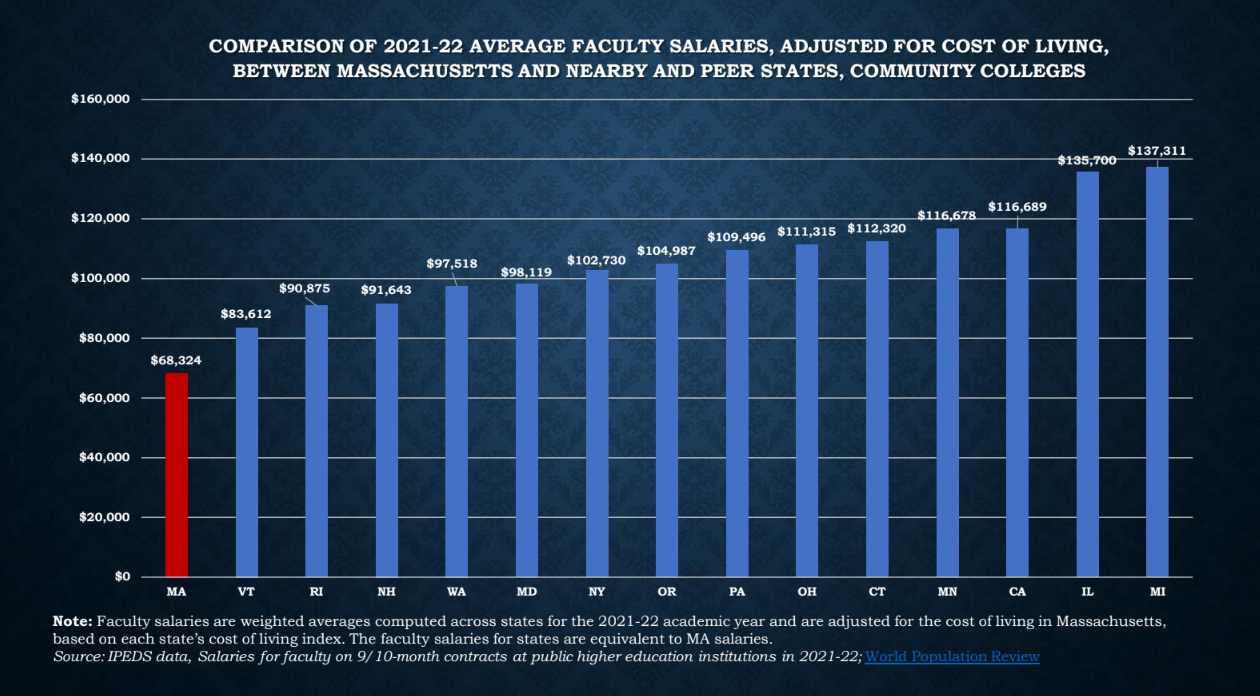
The current starting salary for full-time faculty at Massachusetts’ 15 community colleges is $61,696, according to Joseph Nardoni, vice president of the Massachusetts Community College Council. That number is lower than many peer states and others nearby, Nardoni said.
“Our Massachusetts community colleges deserve better,” Nardoni told Boston.com. “We can’t expect to draw the best hires from throughout the country when our wages aren’t competitive and require new hires to work more than one job.”
Meanwhile, between Fall 2023 and 2024, enrollment grew by nearly 10,000 students across the 15 community colleges in the state, according to Massachusetts Association of Community Colleges (MACC) Executive Director Nate Mackinnon.
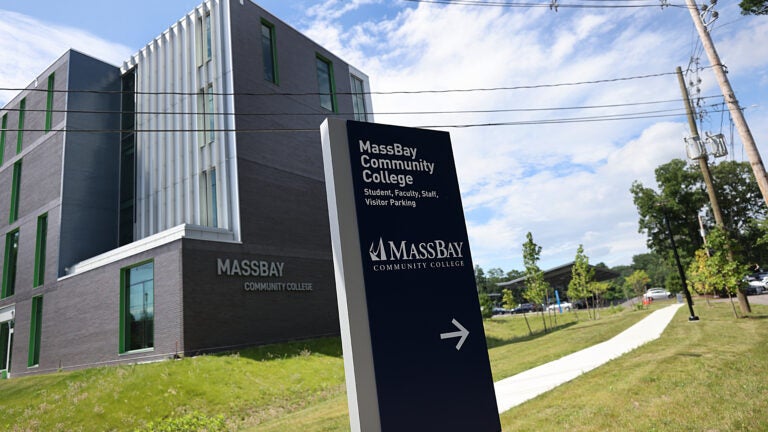
Since the MassEducate program’s implementation, MassBay Community College reported 2,672 full-time students enrolled for the Fall 2024 semester — a 36.6 percent increase from Fall 2022 enrollment, according to the governor’s office. Holyoke Community College had an additional 650 students enrolled during the same time period, according to the college’s data obtained by Boston.com.
The council’s bargaining platform says that “while the launch of MassEducate will undoubtedly expand access and create new opportunities for students who might not otherwise afford a college education, we have serious concerns about our ability to meet the demands of an increased student population.”
The council continued, stating that the state’s implementation of MassEducate has been “rushed and underfunded, forcing our members to make it work under significant strain.”
Higher enrollment numbers and comparatively low wages have led to “chronic understaffing,” according to Nardoni.
However, MACC’s Mackinnon said he is not aware of concerns about understaffing.
“Every community college has been working to hire more faculty and staff to support the growth of students,” Mackinnon, who directs the state’s 15 community colleges, told Boston.com. “We’ve been able to keep up with demand thus far.”
To be on par with peer states, Nardoni says the Massachusetts Community College Council is demanding a 70% salary increase for teachers — including part-time adjunct instructors and other staff.
“We are going to go for the same wage equity adjustment for our professional staff, like advisors and financial aid counselors, and for our part-time professional staff and our part-time faculty,” Nordoni said.
The council also wants to see workload improvements and increased full-time staffing to “encourage retention in the face of ballooning demand and unmet student needs.”
“Our wages are seriously out of whack,” Nardoni said. “It really is a wage crisis, and it’s kind of flown under the radar, and we don’t want it to fly under the radar anymore.”
Mackinnon, meanwhile, said that Massachusetts’ community college presidents “share the concern that the overall compensation level is a challenge when it comes to both attracting and retaining high-quality faculty to meet the needs of our students.”
The state’s collective bargaining regulations set the parameters for how salaries are paid to members of the state’s public employee unions, directly impacting the salaries that colleges are able to offer their staff.
Nardoni said his union, along with several others, are asking for the parameters to be adjusted.
“We’ve committed to working with the faculty union leadership to address that, and work with state leaders to find if there’s any ways to address the problem at hand,” Mackinnon said.

Get everything you need to know to start your day, delivered right to your inbox every morning.





To comment, please create a screen name in your profile
To comment, please verify your email address
Conversation
This discussion has ended. Please join elsewhere on Boston.com