
Shocked by extreme storms, a Maine fishing town fights to save its waterfront
After two devastating storms hit Stonington in January, plans are multiplying to raise and fortify wharves, roads, and buildings. But will that be enough?
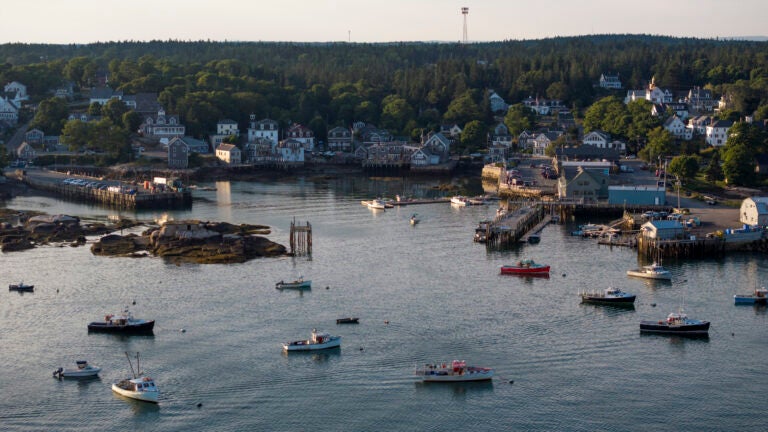
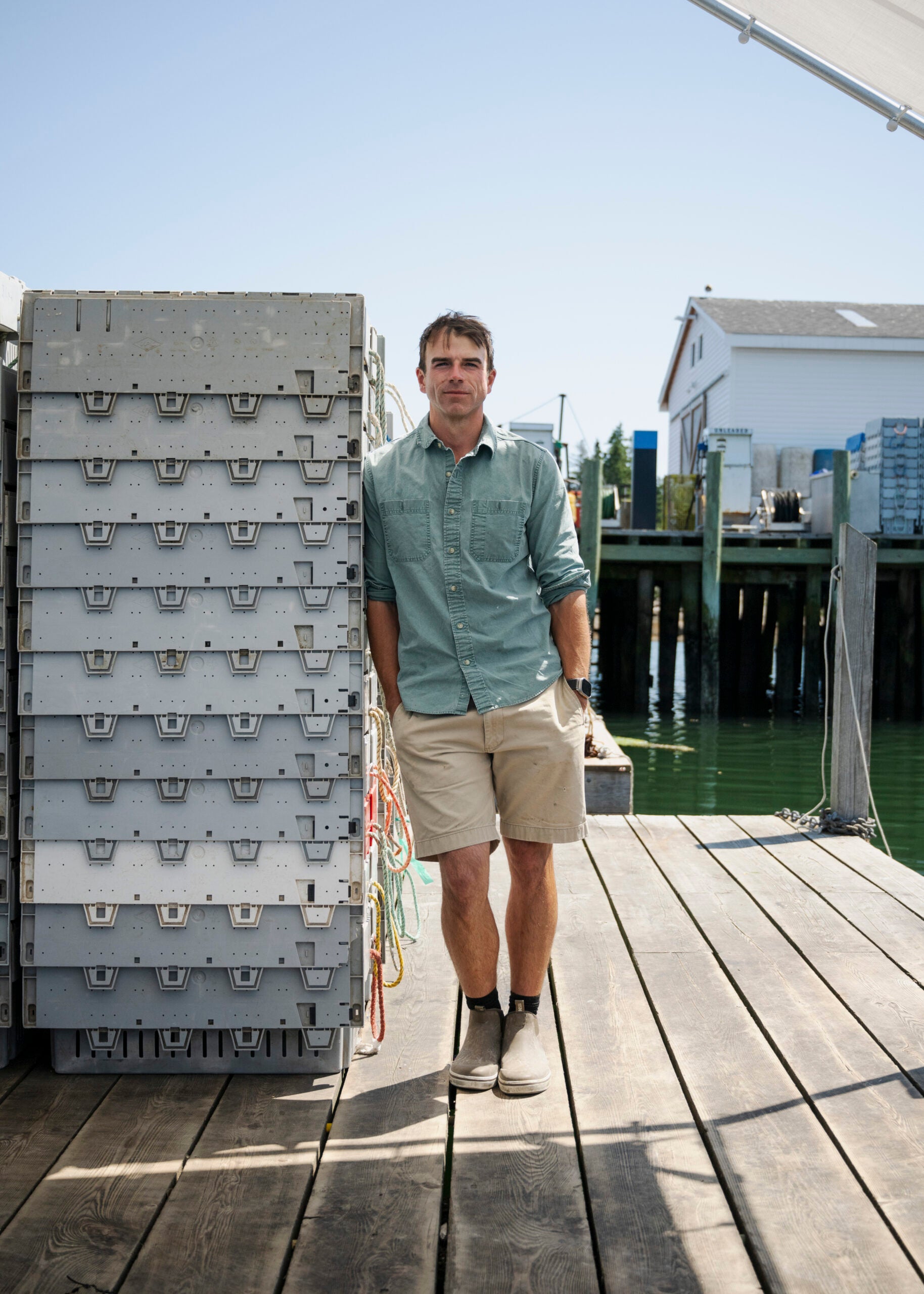
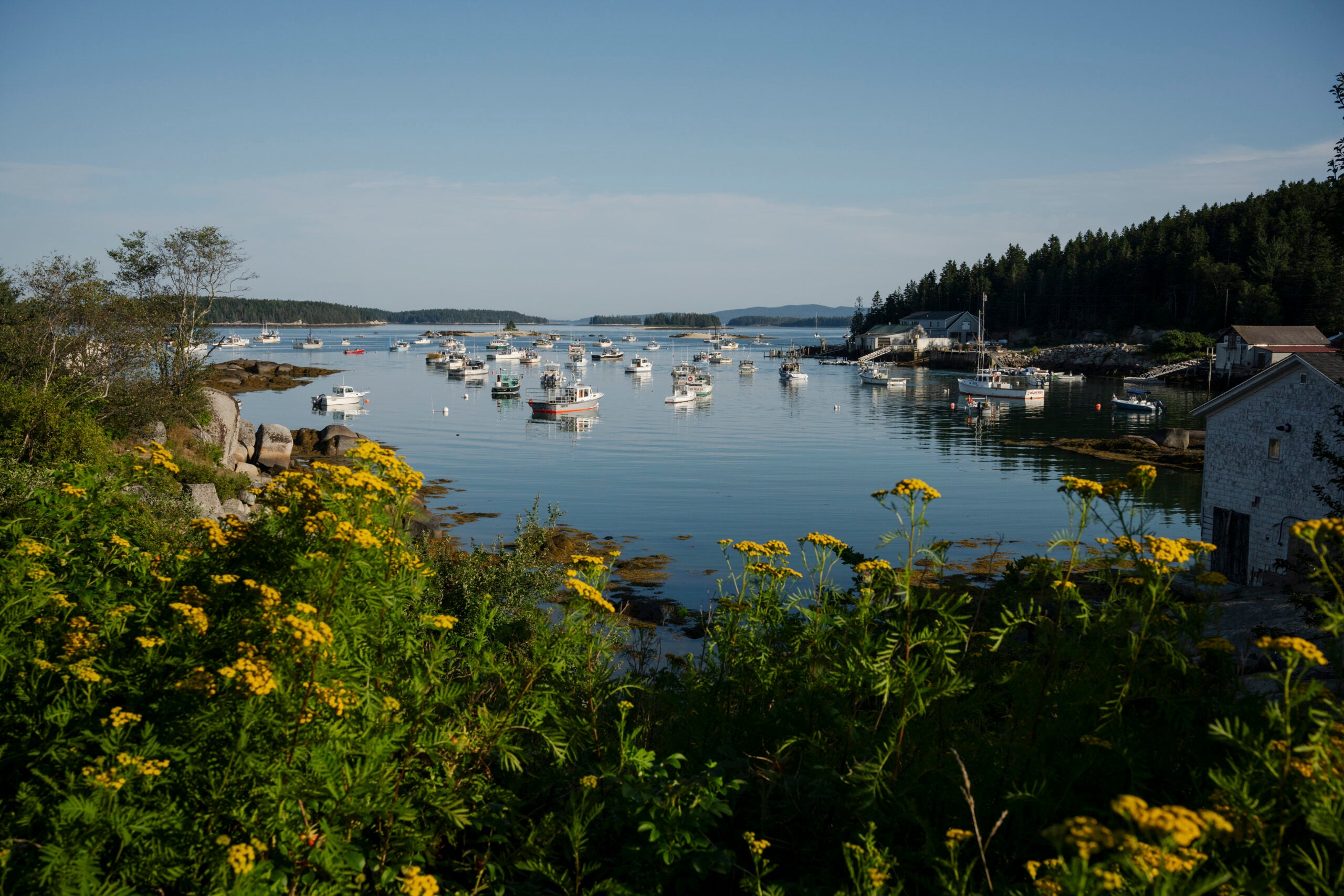
STONINGTON, Maine — There were some who thought it was excessive when Travis Fifield, rebuilding his commercial lobster wharf a few years ago, raised it nearly a foot and a half higher above the blue expanse of Maine’s Penobscot Bay.
The fourth generation to run the family business, Fifield Lobster, on a granite peninsula in remote Stonington, Fifield paid the skeptics no mind. He was determined to defend his property against the rising seas and raging storms he knew would be the consequences of a changing climate.
Then two vicious storms slammed Maine’s coast in a single week in January, with intense winds and extremely high tides wiping out swathes of working waterfront. For Stonington, home to the largest lobster fishing fleet in Maine, the damage was so extensive and shocking that it extinguished any remaining doubt about the need for urgent action.
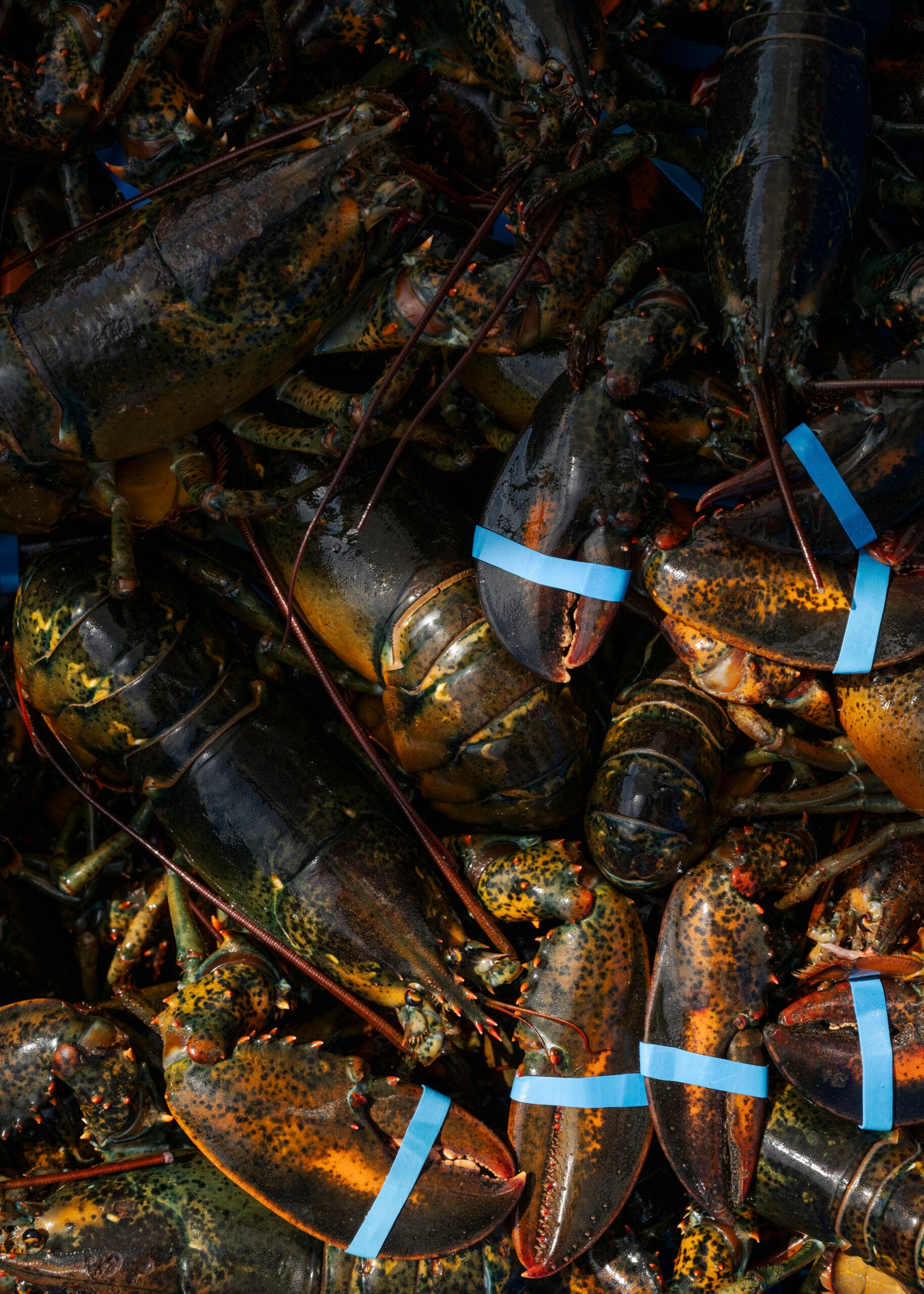
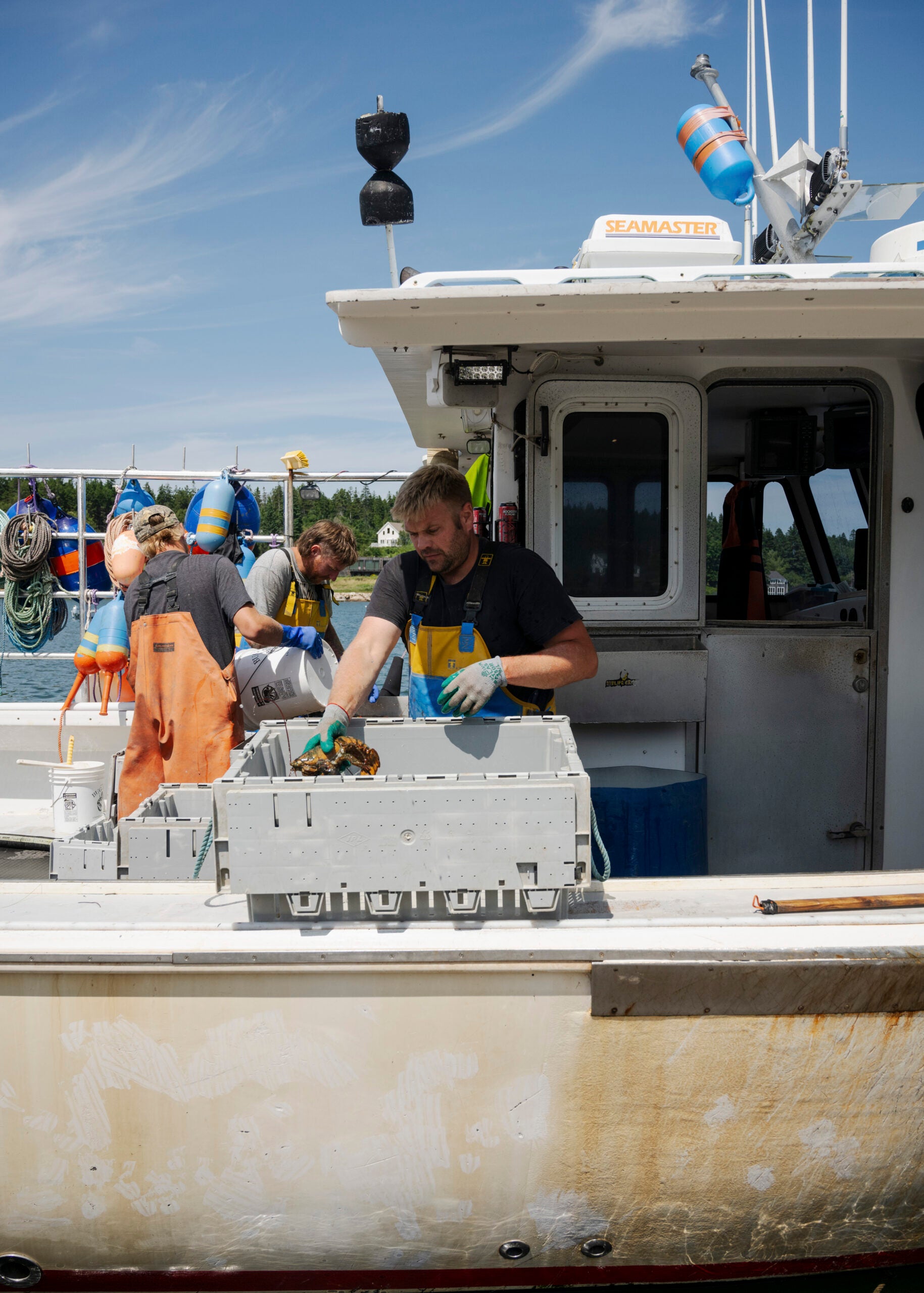
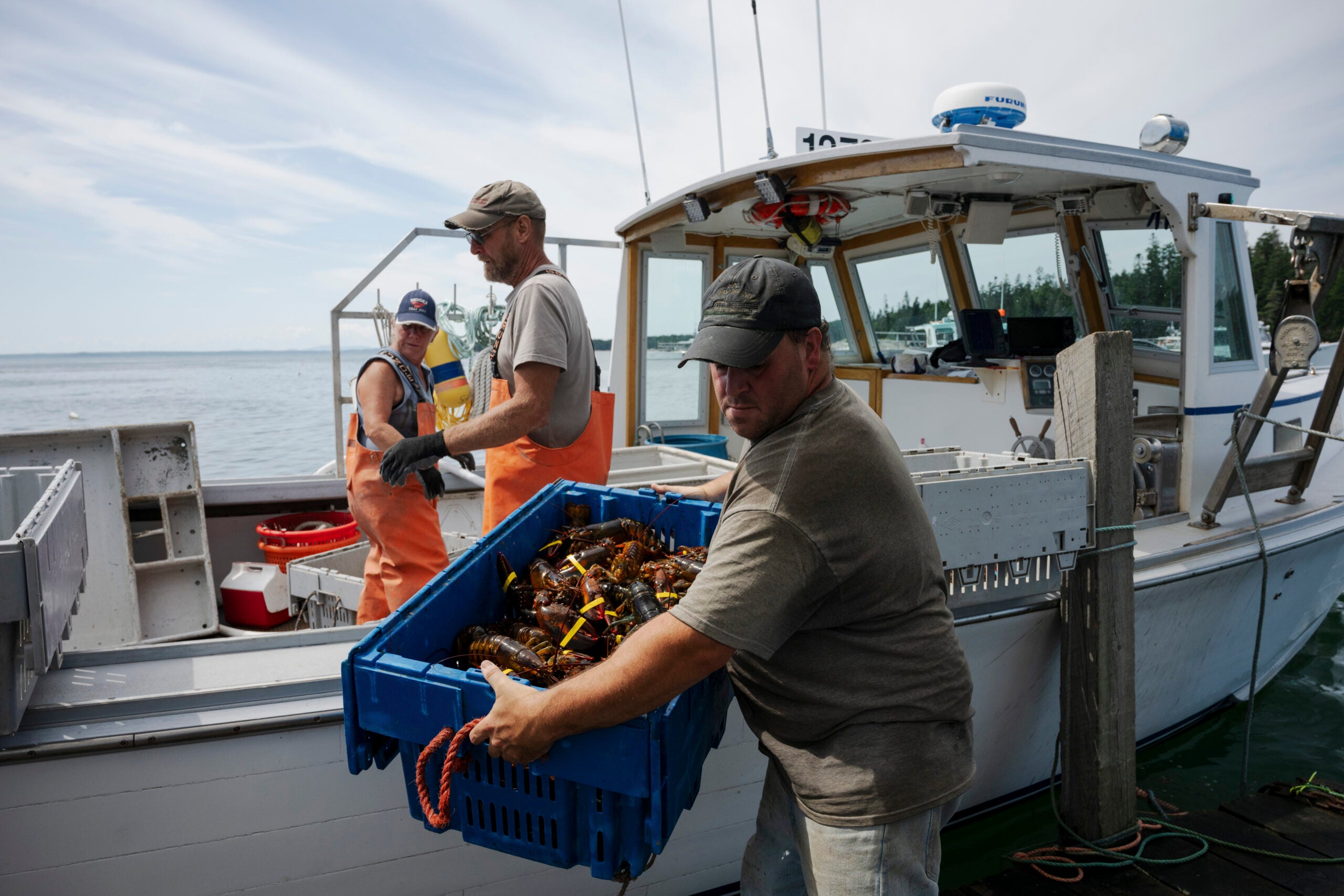
Now, across the island town of 1,000 people, plans are multiplying to raise and fortify wharves, roads and buildings. At Isle au Haut Boat Services, managers intend to lift the dock 2 feet higher and add a concrete top to hold it down when waters surge. A similar upgrade is in store for the Stonington Lobster Co-op, home base for 90 of the town’s 350 lobster boats.
“That storm surge in January — we never thought it could happen here,” said Fifield, 40, who is also a member of the Stonington Select Board. “When you’re smacked in the face with it, it’s hard to deny.”
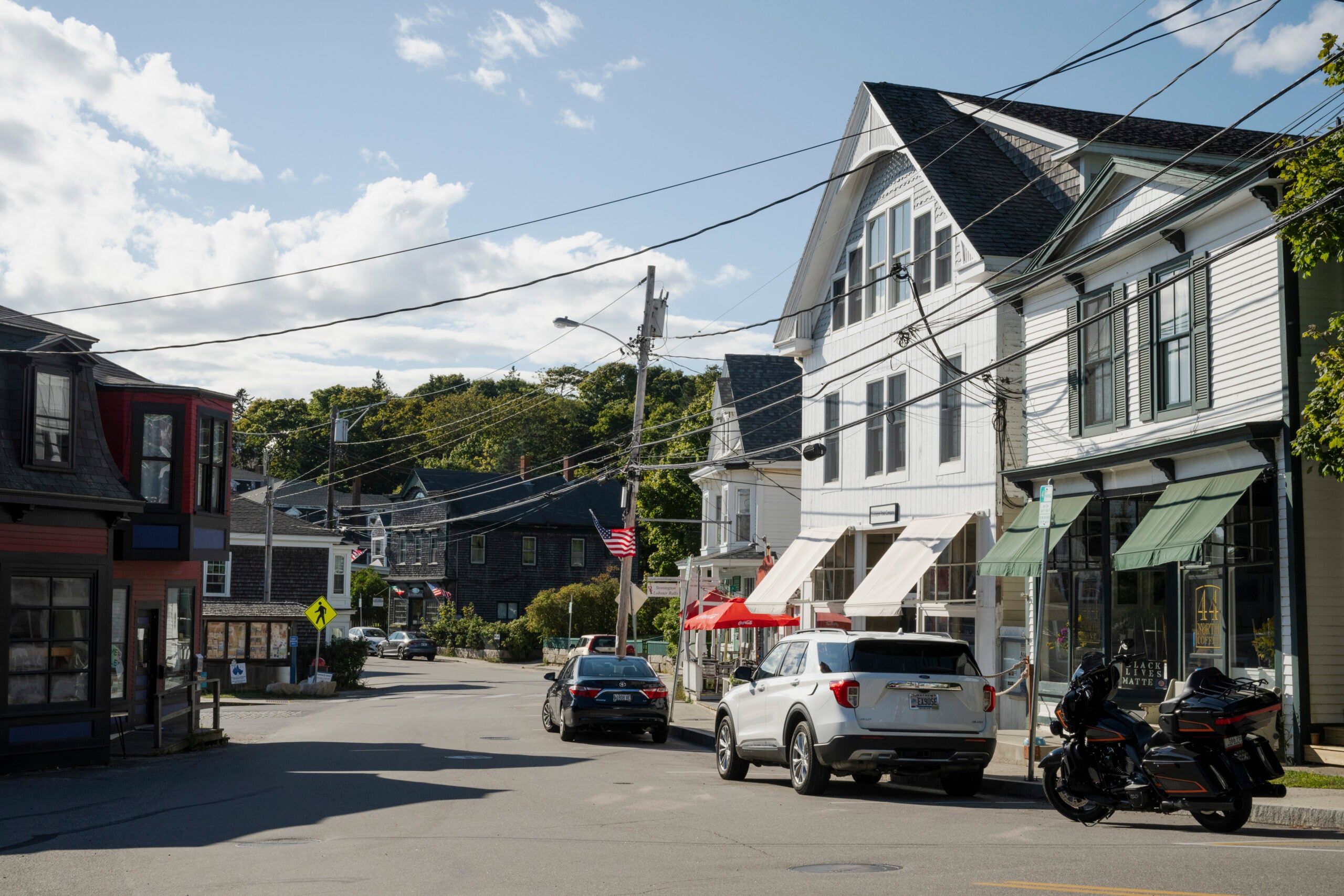
It is hard to imagine a more picturesque Maine fishing town, perched along its rocky fringe 160 miles east of Portland, between Rockland and Bar Harbor. Descending from the graceful suspended arch of the Deer Isle Bridge, the jagged coast unfolds in glimpses, with pine-topped ledges in the distance and trim lobster boats steaming from the harbor to the deeper ocean. “Experience Authentic Maine” reads the slogan painted on trash barrels downtown, next to a picture of a pert red lobster boat.
But Stonington’s storied way of life has come to feel more tenuous, its existence more fragile, as pressure builds from climate change and economic forces.
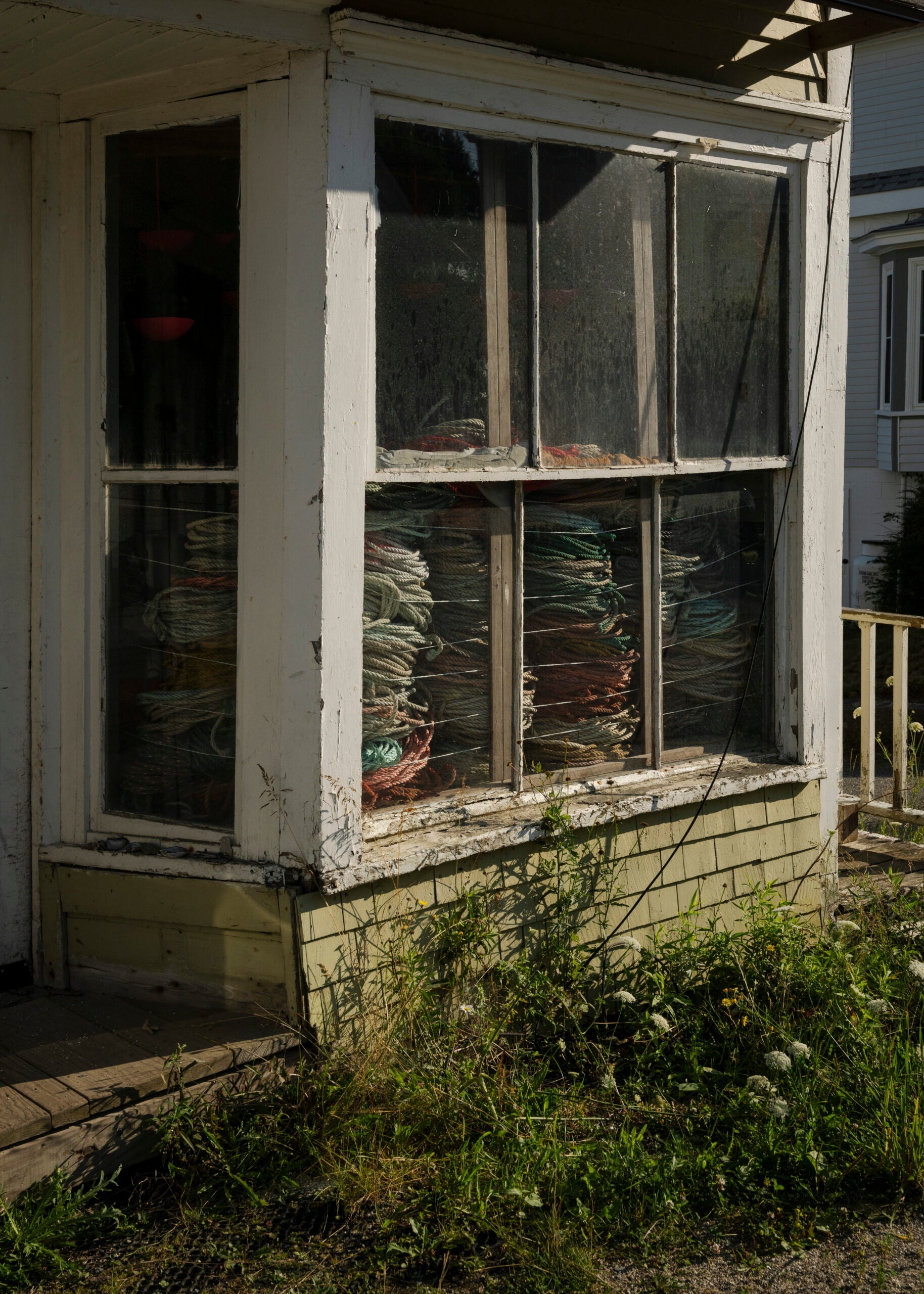
In small towns and fishing ports up and down Maine’s coast, fishermen have faced a slew of challenges in recent years: Tighter federal rules to protect endangered whales have limited the days they can fish and the gear they can use, while an influx of newcomers has driven up the price of coastal real estate and the pressure on tiny, cash-strapped towns to preserve their working waterfronts.
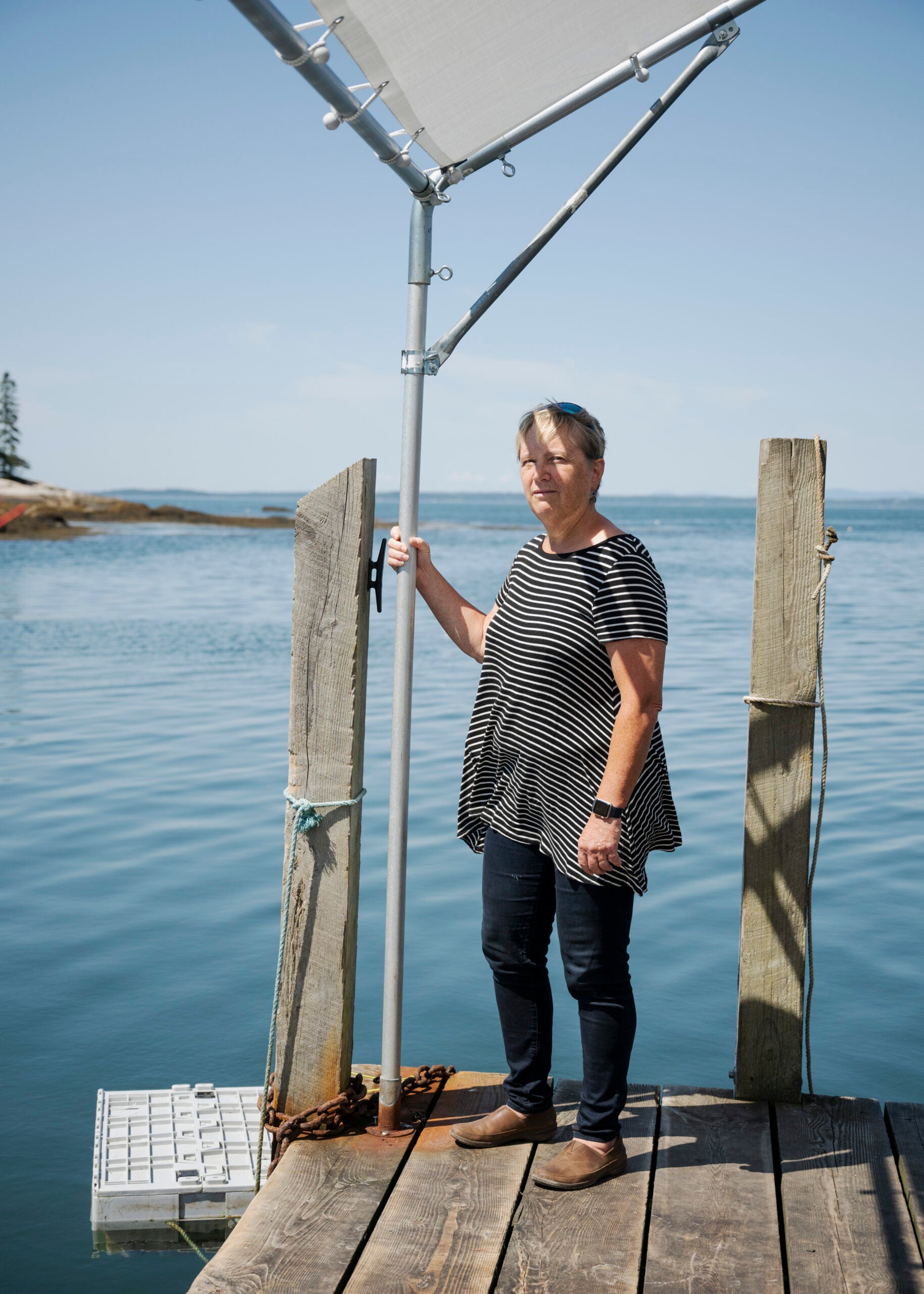
“We’ve got a wall of water coming at us, and a wall of money coming at us, and we’re fighting these two big forces,” said Linda Nelson, Stonington’s economic and community development director.
State leaders have invested heavily in disaster planning since last winter. In April, legislators approved $60 million for storm recovery; in May, Gov. Janet Mills created a new commission, whose members include experts in climate science, engineering and floodplain management, to draft plans for protecting state infrastructure from rising seas and extreme weather. (Nelson is one of the commission’s co-chairs.)

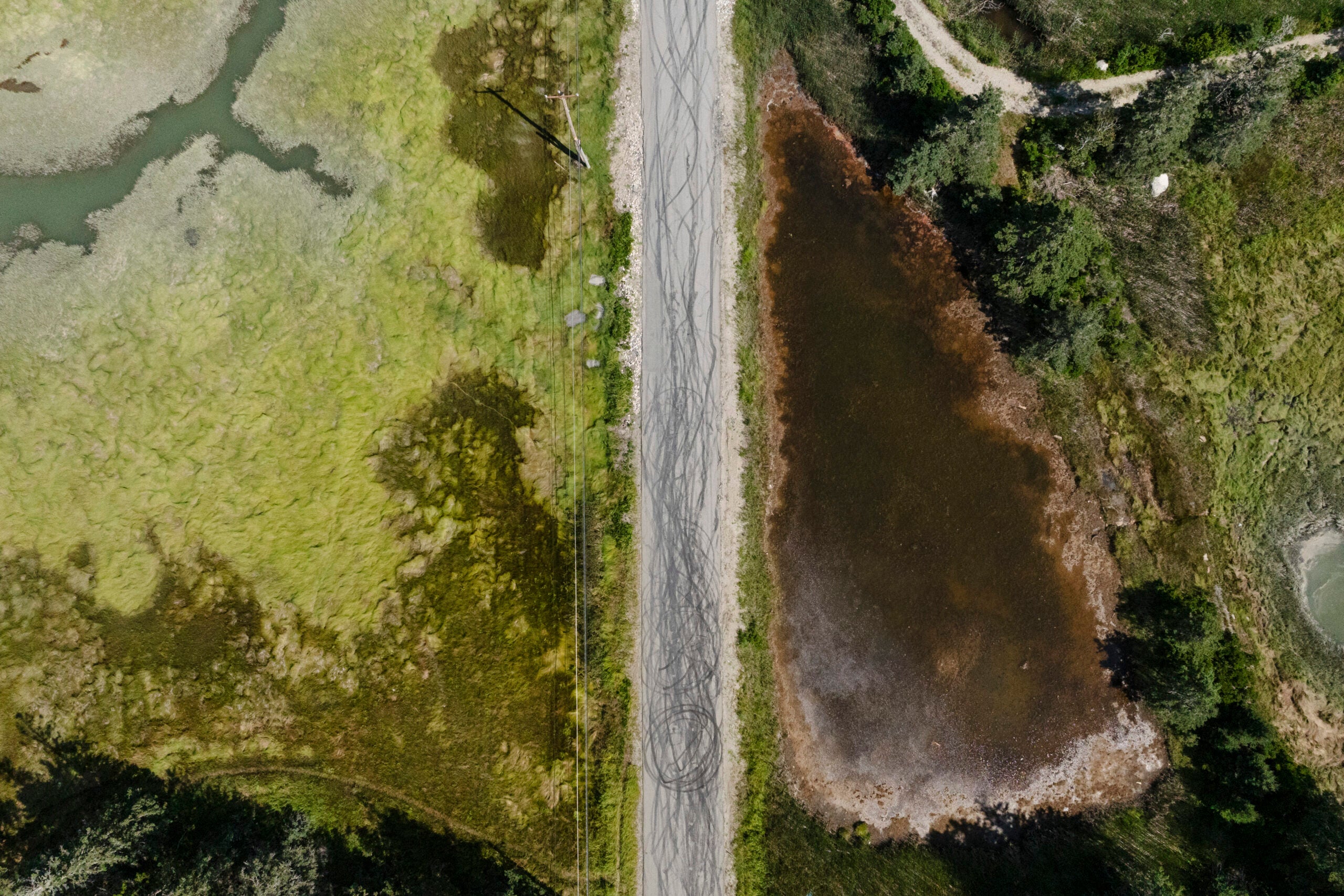
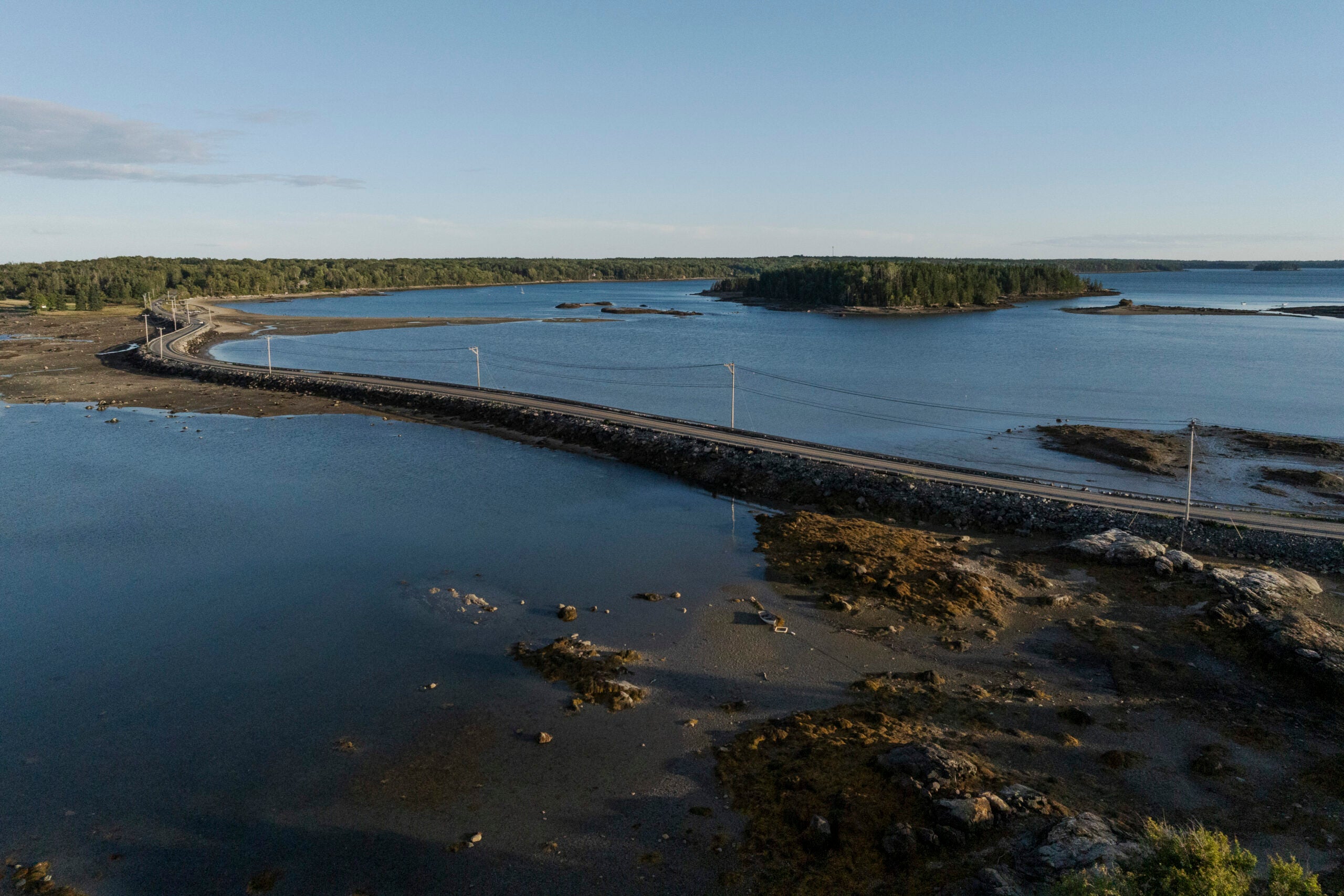
In Stonington, increasingly powerful storms pose a threat not only to wharves and other waterfront assets but to the low-lying causeway that links the town to the mainland, and to the markets where its lobster catch is sold. The causeway was shut down for hours multiple times during the January storms because of flooding and downed electrical lines; any such closure halts the time-sensitive transport of fragile live lobster from Stonington’s docks to destinations around the world.
The causeway was already set to be raised before the recent storms, but work has yet to begin — and will not be completed for three years, town officials said. Another vulnerable, low-lying causeway within the town was also impassable during the storms as 4 feet of churning water surged across it, stranding residents of Oceanville village and cutting off the only access route for trucks that transport enormous slabs of granite from one of Maine’s last working quarries.
Kathleen Billings, Stonington’s town manager for 15 years, described the growing dread some feel about their own survival. “You can’t keep fixing docks over and over, when it’s $200,000 or $300,000 every time,” she said. “That’s the tension — will you fix it again? And again? Maybe it’s three strikes and you’re out.”

But those who make their living on the water see few options. “People say, ‘Well, just retreat,’” Fifield said. “We can’t retreat. We have to be here.”
Adding to their struggle, some Maine coast property owners have learned painful lessons about the limits of flood zone insurance. It is costly, and required for those who need loans, but generally does not cover “over-water” structures such as docks and wharves. The effect for fishermen is crushing, said Monique Coombs, director of community programs for the Maine Coast Fishermen’s Association.
As storms increase in intensity, other unsettling shifts in weather patterns add further layers of uncertainty. Accustomed to winter nor’easters, with winds that blow water away from the coast, Maine towns were caught off guard by the southeasterly winds that prevailed in both January storms, which drove the ocean toward the land instead, increasing flooding and damage. Sean Birkel, Maine’s state climatologist, said it was still unclear whether those types of storms will become more common.
In Stonington’s fragile island ecosystem, storms are not the only danger of a changing climate. Wholly dependent on rainfall for its drinking water, Stonington has had to haul in its water supply by truck, around the clock, during droughts in recent summers, town officials said.
They have also had to engineer new strategies to hold onto affordable housing, as the town’s allure for remote workers and other transplants spiked during the COVID-19 pandemic, and its housing became largely unaffordable for locals.
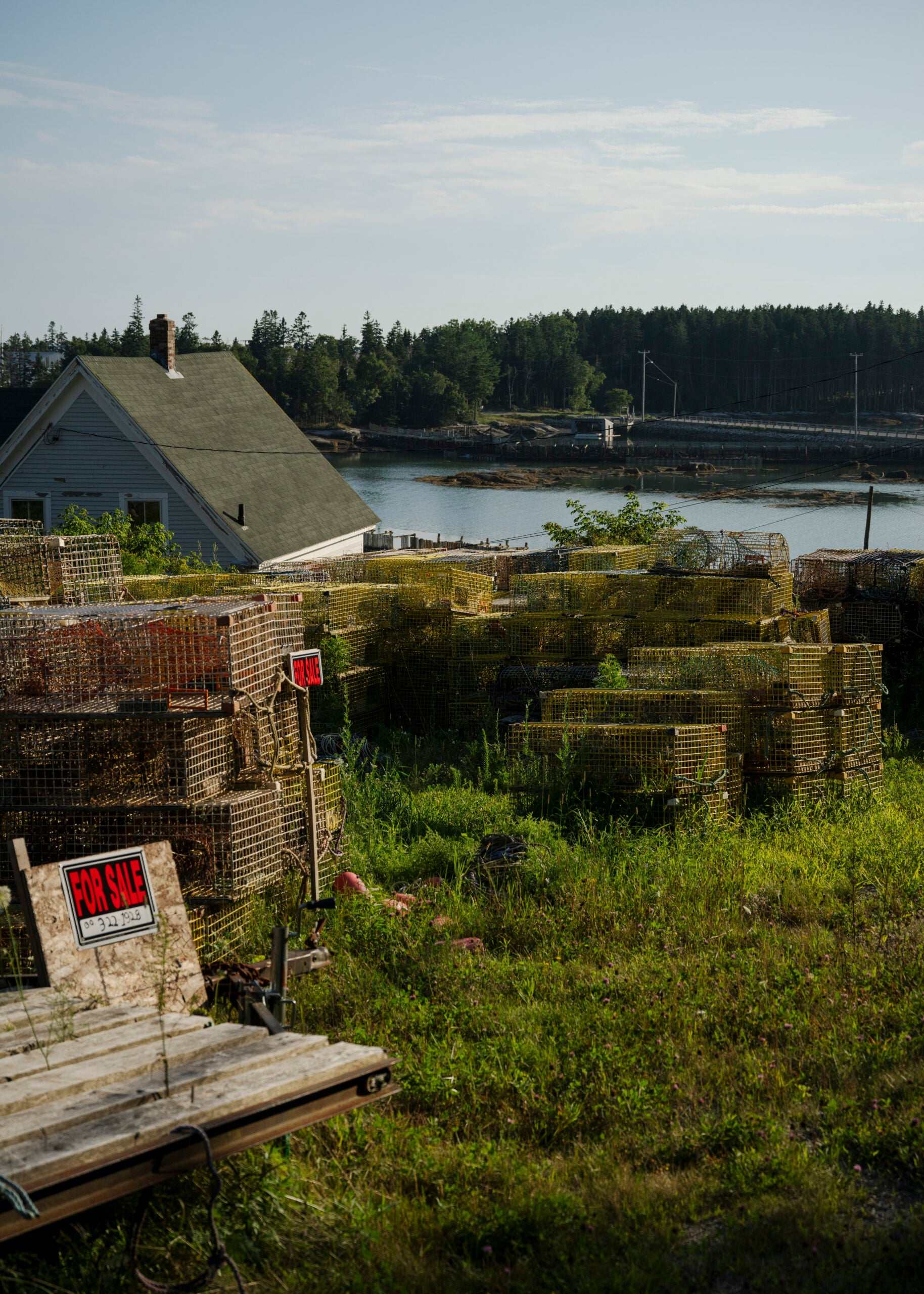
An ordinance enacted last year limits the number of short-term rentals in Stonington, in hopes of preserving year-round housing for locals. The town is also establishing a new resiliency fund, which it hopes will draw donations from seasonal residents, to help it purchase private waterfront land needed to maintain access for fishermen, and to create new workforce housing, when spiraling cash offers from wealthy private bidders would otherwise price the town out.
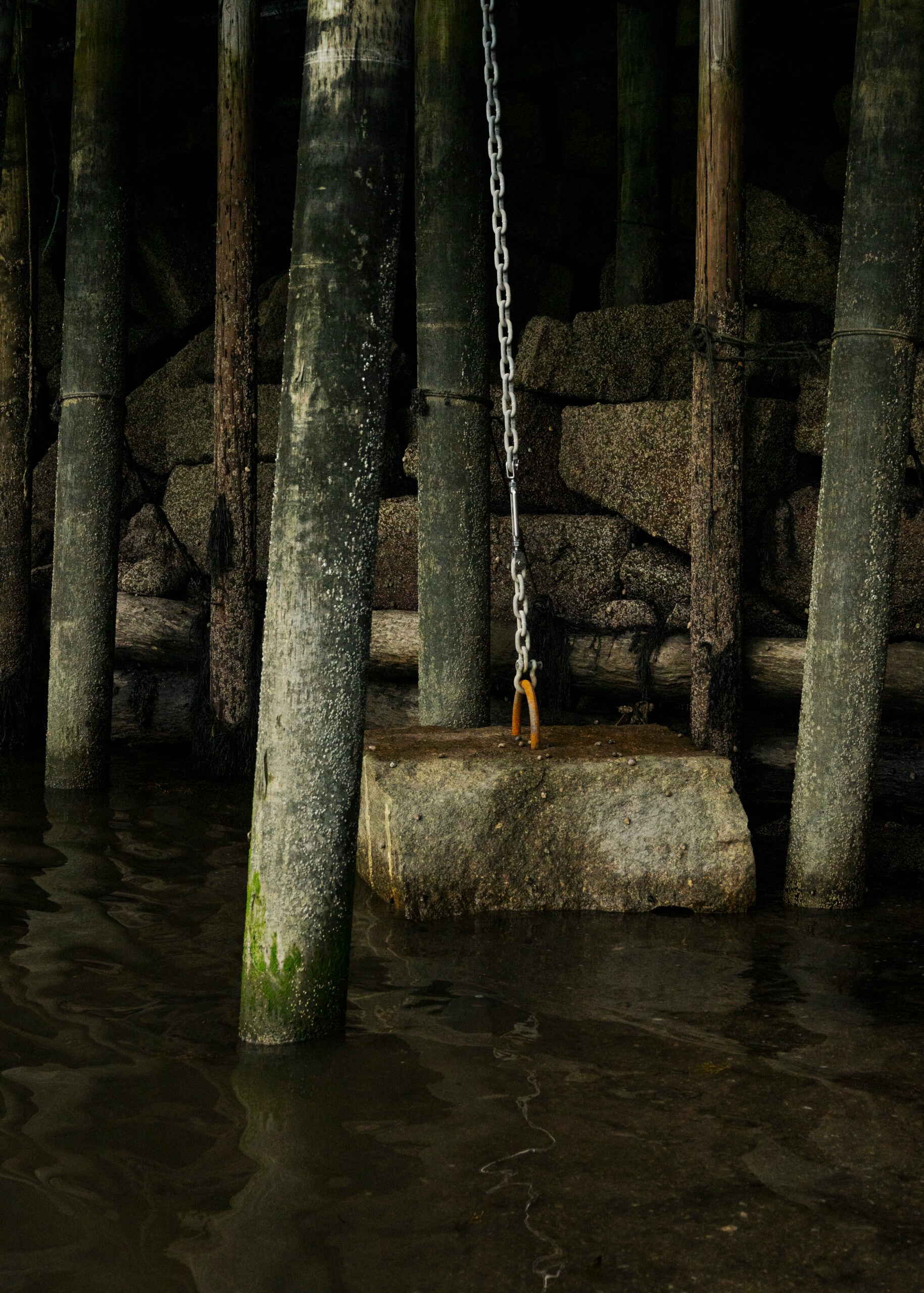
Yet even with the rise of more proactive planning, peace of mind feels ever more elusive. After fixing his damaged wharf, at a cost of tens of thousands of dollars, Fifield installed four granite mooring rocks, 2 1/2 tons each, underneath it, chaining them to the wooden structure to anchor it in future storms.
“People said, ‘You only need two,’ and I was like, ‘I don’t care — I’m happy to go overboard,’” he said.
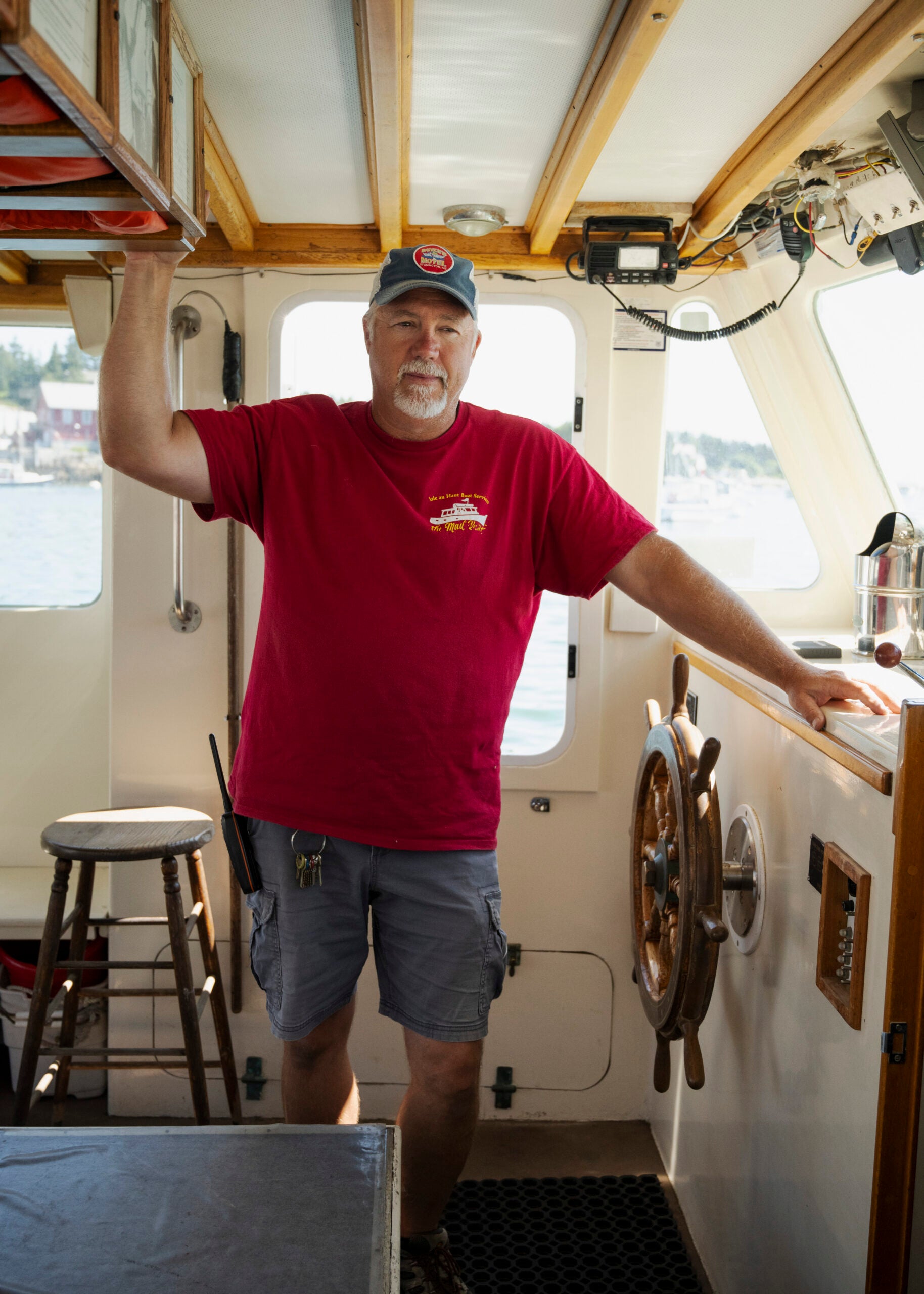
A higher, heavier dock feels essential to Garrett Aldrich, operations manager at the Isle au Haut boat service, which ferries mail, freight and passengers from Stonington to another small island 6 miles offshore. But detailed project plans and federal funding have not done much to assuage his worry.
“There’s so much that needs to happen, and I don’t think we’ll be able to keep up with all of it,” he said. “I think there will be more damage, and more pain, before we’re done.”
Across from the harbor at town hall, where Billings spends much of her time trying to find funding for a long list of climate adaptation projects, even the gentlest September breeze feels like another reminder to hurry.
“It’s always in the back of my mind,” she said. “What’s next winter going to be like?”
This article originally appeared in The New York Times.



To comment, please create a screen name in your profile
To comment, please verify your email address
Conversation
This discussion has ended. Please join elsewhere on Boston.com