
Sign up for the Today newsletter
Get everything you need to know to start your day, delivered right to your inbox every morning.
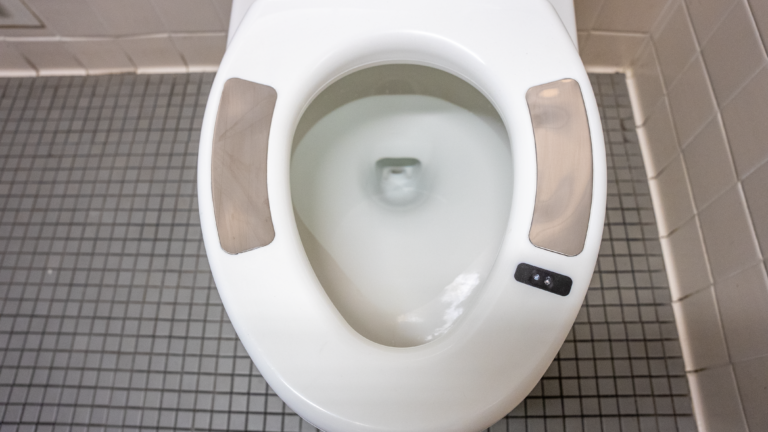
A toilet seat may be the answer to managing chronic diseases. Who knew?
Researchers at UMass Chan Medical School’s Program in Digital Medicine are testing how digital sensors in a smart toilet seat can be used to gather physiological data to monitor diseases such as inflammatory bowel disease, diabetes, hypertension, chronic obstructive pulmonary disease, and heart failure.
The “Heart Seat,” made by Casana, is still in the research phase. Toilet seats were chosen because they are a “part of everyone’s habit,” said principal investigator and co-director of the Program in Digital Medicine Apurv Soni.
“The idea is to try to understand how we can get data from patients’ homes in between when they’re coming in to be seen in the hospital setting, to observe signals and identify signals that may give us an early warning for someone getting sick,” Soni told Boston.com.
The study, called COMMODE-seat, which stands for “correlating outcomes with mobile monitoring using digital sensors in a seat,” aims to take signals from a sensor-embedded toilet seat measuring heart rate, oxygen saturation, and other biometric measures, including blood pressure.
Each patient participating in the study will be able to participate for up to a year, completing surveys and using an app to track their symptoms and any medications.
Soni said the idea of remote patient monitoring “has a lot of momentum” and is becoming “fairly common.”
The goal of the project, Soni says, is to use data from users’ daily life to passively collect data that can be used to provide care.
“We’re very much in the exploratory stage to see if any of the data that we collect from this formula can be useful for informing care in the future,” he said.
Casana’s co-founder and chief research officer, Dave Borkholder, PhD, said in a statement the company “couldn’t ask for a better partner” in its research.
“Every finding brings us one step closer to enabling clinicians to provide better care,” Borkholder said.

Get everything you need to know to start your day, delivered right to your inbox every morning.



To comment, please create a screen name in your profile
To comment, please verify your email address
Conversation
This discussion has ended. Please join elsewhere on Boston.com